With more than 10‑year industry experience, Shandong Headpowder delivers full‑service pneumatic‑conveying systems and blowers, undertaking nationwide turn‑key powder‑handling projects.
Lightweight aggregate pneumatic conveying systems represent a sophisticated method for transporting bulk materials, particularly lightweight aggregates, through the use of compressed air or other gas streams. This technology has become increasingly vital in modern industrial applications due to its efficiency, flexibility, and ability to handle materials that are difficult to transport via traditional methods. Understanding the underlying principles and the diverse working scenarios where these systems excel is crucial for selecting the right solution for specific operational requirements.
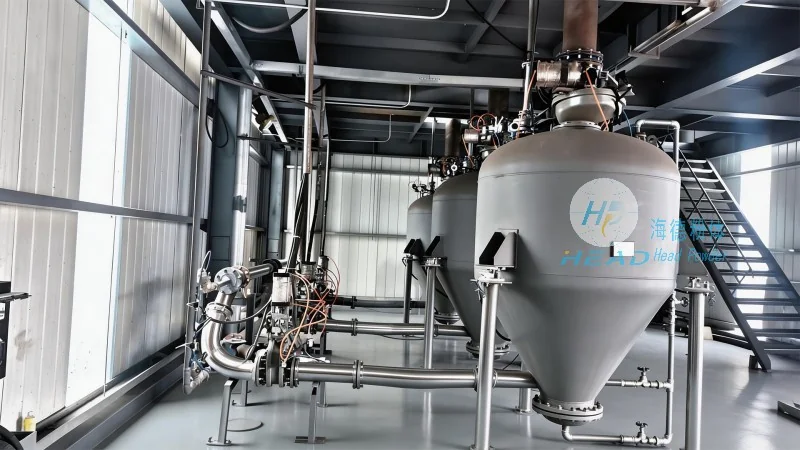
The fundamental principle of pneumatic conveying involves the use of a gas stream to move particles through a pipeline. In the case of lightweight aggregates, such as expanded clay, perlite, or other low-density materials, the system leverages the momentum and pressure of the air to lift and transport the material. The process typically begins with a feeding device that introduces the aggregate into the conveying line. This can be a rotary valve, a screw feeder, or a pressure feeder, depending on the material's characteristics and the desired flow rate. The air is then introduced into the system, either by a blower or a compressor, creating a flow that carries the particles forward. The design of the system, including the velocity of the air, the diameter of the pipeline, and the angle of the conveying line, is critical to ensure efficient transport without excessive pressure loss or material degradation.
Key components of a typical lightweight aggregate pneumatic conveying system include the air source (blower or compressor), the feeding mechanism, the conveying pipeline, and the separation and discharge equipment. The air source provides the necessary pressure and volume to move the material. The feeding device ensures a consistent and controlled flow of the aggregate into the pipeline, preventing blockages and maintaining system efficiency. The conveying pipeline is usually made of materials like stainless steel or plastic, chosen for their durability and resistance to corrosion from the lightweight aggregates. The separation equipment, such as cyclones or filters, is used to separate the air from the material at the end of the conveying line, allowing the lightweight aggregate to be discharged into the target container or processing unit.
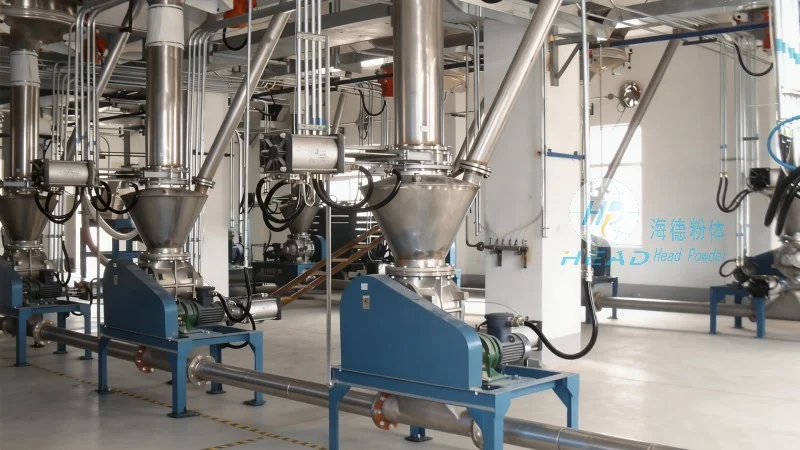
Lightweight aggregate pneumatic conveying systems are employed in a wide range of working scenarios across various industries. In the construction sector, these systems are commonly used for transporting lightweight aggregates used in concrete production, such as expanded shale or perlite. The ability to handle these materials efficiently and in large quantities is essential for modern construction projects that demand high-performance concrete with reduced weight and improved thermal insulation properties. The systems are also utilized in the manufacturing of lightweight building materials, where the consistent delivery of aggregates is critical for maintaining product quality and production rates.
In the chemical and pharmaceutical industries, pneumatic conveying is used to transport lightweight powders and granules, including raw materials and intermediates. The systems are designed to minimize contamination and ensure a clean transfer process, which is vital in these sectors where product purity is paramount. Additionally, in the agricultural and food processing industries, lightweight aggregate pneumatic conveying systems are employed for handling materials like expanded clay used as soil amendments or in animal bedding. The systems provide a hygienic and efficient method for moving these materials, ensuring that the product remains uncontaminated and the process is streamlined.
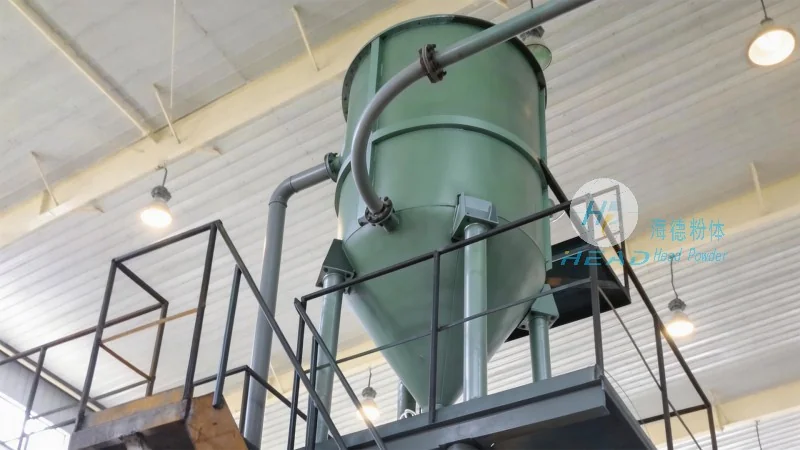
One of the primary advantages of lightweight aggregate pneumatic conveying systems is their ability to handle materials that are difficult to transport using traditional methods, such as those with high moisture content or those that are prone to caking. The system's enclosed design also helps to prevent dust and material loss, contributing to a cleaner and more environmentally friendly operation. Furthermore, the flexibility of pneumatic conveying allows for the integration of multiple feeding and discharge points, enabling complex material flow patterns that can be adapted to changing production needs.
However, the design and operation of these systems require careful consideration of several factors. The air velocity must be optimized to prevent material deposition or excessive wear on the pipeline. The system's pressure and flow rates need to be matched to the specific characteristics of the lightweight aggregate, such as particle size, density, and flowability. Additionally, the choice of equipment, including the blower type and the material of the pipeline, must be tailored to the operational environment to ensure long-term reliability and performance.
HeadPowder, a prominent company based in Shandong, China, is a leading provider of pneumatic conveying systems for lightweight aggregates. With a focus on innovation and customer-centric design, HeadPowder offers customized solutions that meet the unique requirements of various industries. The company's expertise lies in the design, manufacturing, and installation of efficient and reliable systems that enhance operational efficiency and product quality. By leveraging advanced engineering principles and high-quality materials, HeadPowder ensures that its systems are durable, low-maintenance, and capable of handling a wide range of lightweight aggregate types.
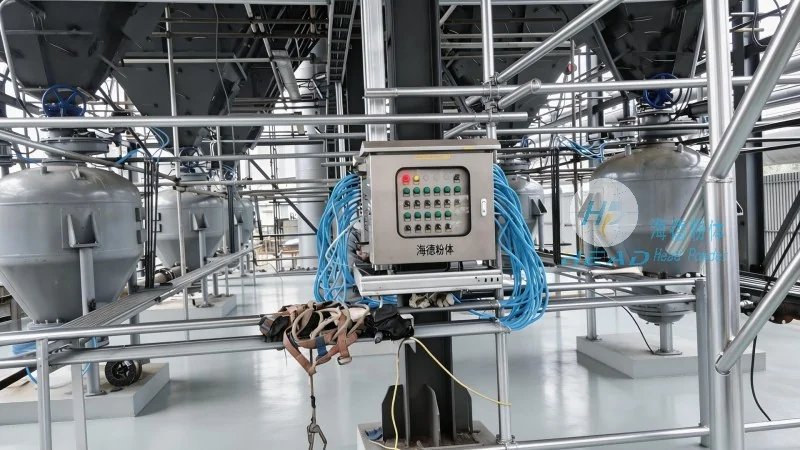
HeadPowder's commitment to quality and customer satisfaction is reflected in its comprehensive service offerings, which include system design, installation, and ongoing technical support. The company's team of experienced engineers works closely with clients to understand their specific needs and develop tailored solutions that optimize material transport processes. Whether for construction, chemical, or agricultural applications, HeadPowder provides the expertise and equipment necessary to achieve efficient and effective pneumatic conveying of lightweight aggregates.
With a strong presence in China and a growing international reputation, HeadPowder continues to be at the forefront of developing advanced pneumatic conveying technologies. The company's dedication to research and development ensures that its systems remain at the cutting edge of industrial material handling, providing clients with reliable and efficient solutions for their lightweight aggregate transport needs.

 Shandong Headpowder Engineering Co., Ltd.
 156-6277-7102(Manager Zhang)
  0531-83386006
  Zhangqiu District, Jinan City, Shandong Province, China
telephone
WeChatconsult
top