With more than 10‑year industry experience, Shandong Headpowder delivers full‑service pneumatic‑conveying systems and blowers, undertaking nationwide turn‑key powder‑handling projects.
Understanding the Negative Pressure Vacuum Powder Conveying System Equipment and Its Design Principles
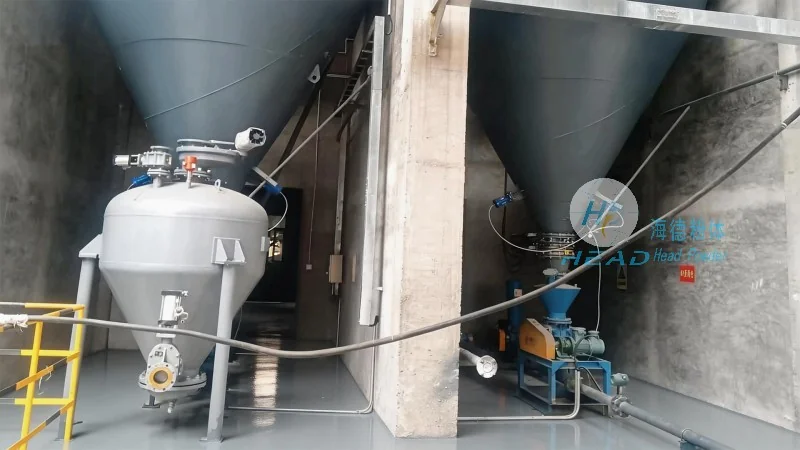
A negative pressure vacuum powder conveying system is a specialized piece of industrial equipment designed to transport bulk powders and granular materials over long distances with high efficiency and minimal product degradation. This technology operates by creating a vacuum within the conveying line, which draws the material from the source to the destination. The system is widely used in various industries, including pharmaceuticals, food processing, chemical manufacturing, and more, due to its ability to handle sensitive materials without contamination or loss of quality. Developed by Shandong HeadPowder Engineering Co., Ltd., a leading manufacturer in the field, this equipment exemplifies modern industrial innovation in material handling.
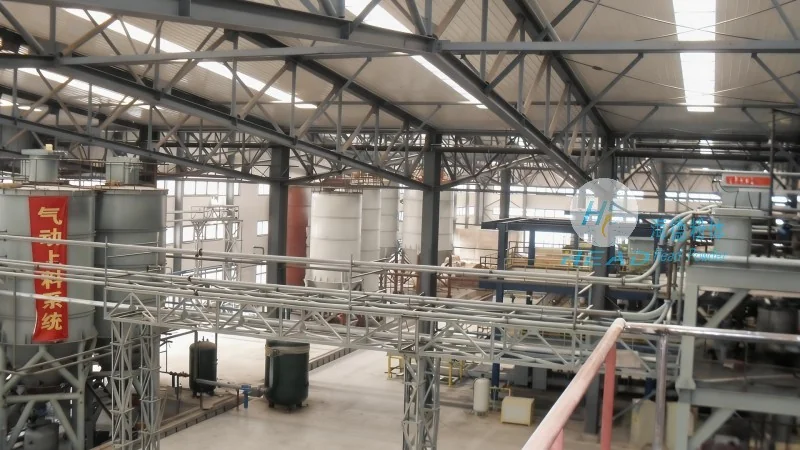
The negative pressure vacuum powder conveying system consists of several critical components that work together to ensure smooth and reliable operation. These components include the vacuum pump, which generates the necessary vacuum pressure; the conveying line, typically made of flexible or rigid tubing; the material feed hopper or inlet; and the discharge outlet. Additionally, the system may incorporate filters, cyclones, or other separation devices to ensure that the conveyed material remains clean and free from contaminants. The vacuum pump is often the most critical component, as it determines the system's capacity and ability to handle different powder types and particle sizes.
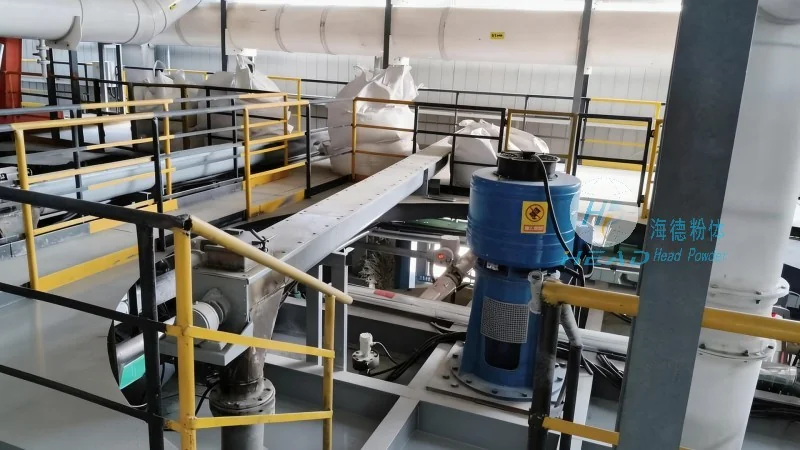
The design of a negative pressure vacuum powder conveying system is based on several fundamental principles to ensure optimal performance. The primary principle is the creation of a pressure differential between the source and destination. By maintaining a lower pressure at the destination than at the source, the system uses the natural flow of air (and thus the material) from the higher pressure area to the lower pressure area. This principle allows for the efficient transport of powders without the need for mechanical agitation or high-speed movement, which can be detrimental to certain materials. Another key design principle is the use of a closed system to prevent dust emissions and contamination. The entire conveying line is sealed, and the vacuum pump draws air and material through the system, ensuring that no particles escape into the environment. This is particularly important in industries where product purity and environmental compliance are paramount. The system's design also considers the material's properties, such as particle size, density, and flowability, to select the appropriate pump type and conveying line diameter. For example, systems handling fine powders may require a different pump speed or line configuration compared to those handling coarse granules.
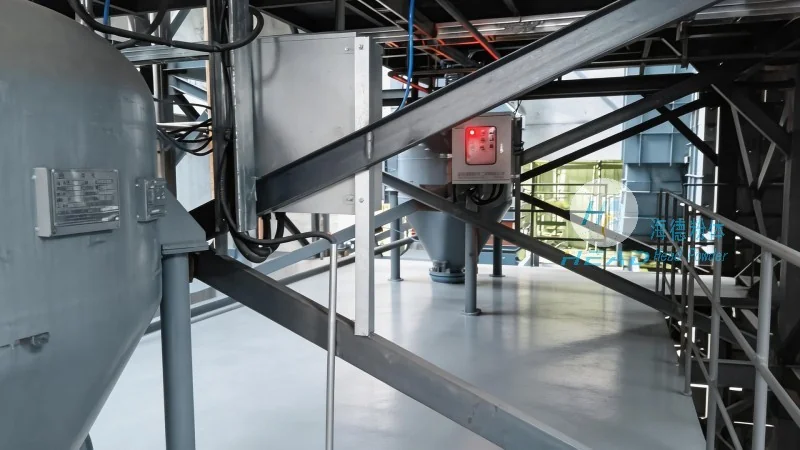
When the system is activated, the vacuum pump begins to operate, creating a vacuum in the conveying line. The material is then fed into the inlet hopper, where it is drawn into the line by the vacuum. As the material travels through the line, it is carried by the air flow, which is maintained at a consistent pressure differential. The system may include intermediate filters or cyclones to remove any fines or contaminants before the material reaches the discharge outlet. The discharge outlet is typically located at the destination, where the material is released into a storage bin or processing equipment. The entire process is controlled by a programmable logic controller (PLC) or other automation system, which monitors the system's performance and adjusts parameters as needed to maintain optimal operation.

 Shandong Headpowder Engineering Co., Ltd.
 156-6277-7102(Manager Zhang)
  0531-83386006
  Zhangqiu District, Jinan City, Shandong Province, China
telephone
WeChatconsult
top