With more than 10‑year industry experience, Shandong Headpowder delivers full‑service pneumatic‑conveying systems and blowers, undertaking nationwide turn‑key powder‑handling projects.
Thermoplastic polyurethane (TPU) pneumatic conveying systems represent a sophisticated solution for material handling in various industrial applications. These systems are engineered to efficiently transport bulk materials through an enclosed pipeline using air or other gas as the conveying medium. The technology combines the durability and flexibility of TPU materials with the efficiency of pneumatic transport, making it suitable for a wide range of scenarios from food processing to chemical manufacturing.
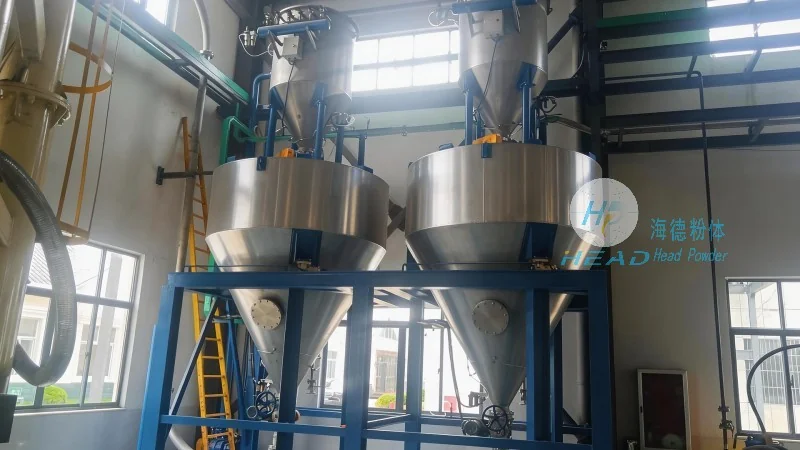
The fundamental principle behind TPU pneumatic conveying systems is the use of differential pressure to move materials. As air is introduced into the system, it creates a flow that propels the material particles through the pipeline. TPU components, such as hoses, ducts, and fittings, are chosen for their resistance to abrasion, corrosion, and temperature fluctuations, ensuring long-term performance and reliability. The system typically operates under positive or negative pressure, depending on the material and application requirements. Positive pressure systems push material through the line, while negative pressure systems draw material in, each offering distinct advantages based on the specific handling needs.
TPU materials offer several advantages that make them ideal for pneumatic conveying applications. Their high abrasion resistance minimizes wear and tear from abrasive materials, extending the lifespan of the system components. Additionally, TPU is resistant to many chemicals, making it suitable for handling corrosive or aggressive materials without degradation. The flexibility of TPU allows for easy installation and adaptation to complex layouts, reducing the need for rigid metal piping. This flexibility also contributes to lower installation costs and easier maintenance. Furthermore, TPU systems can operate at a range of temperatures, from low to high, without losing structural integrity, providing versatility in diverse industrial environments.
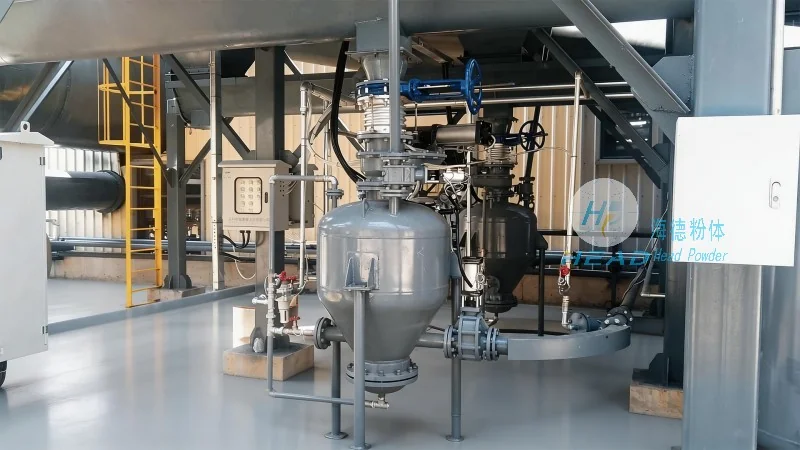
TPU pneumatic conveying systems are widely used across multiple industries due to their adaptability. In the food and beverage industry, they are employed for handling powders and granules that require sanitary and non-contaminating materials, such as flour, sugar, and spices. The systems are designed to meet stringent hygiene standards, with smooth surfaces that are easy to clean and sanitize. In the chemical industry, TPU is used for conveying abrasive or corrosive powders, such as fertilizers, pigments, and pharmaceuticals, where material compatibility is critical. The systems can also handle fine powders and dust, preventing clogging and ensuring consistent flow. In the pharmaceutical sector, TPU components are preferred for their biocompatibility and resistance to contamination, ensuring product safety and regulatory compliance. Additionally, in the agricultural sector, TPU systems are used for transporting feed and other bulk materials, providing efficient and hygienic handling solutions.
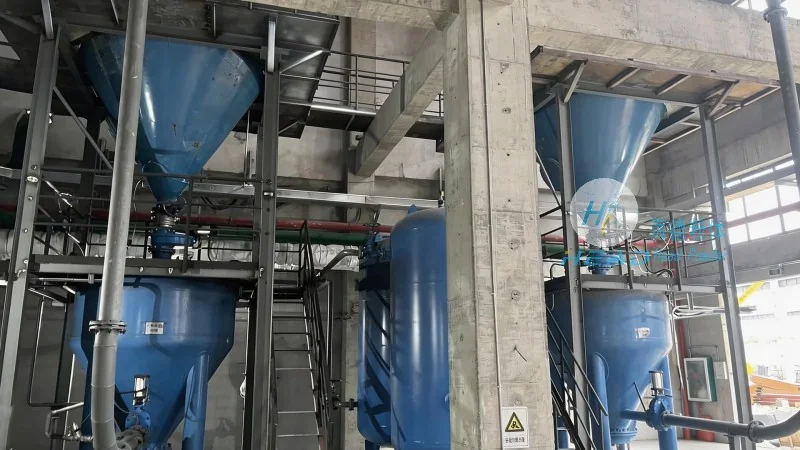
The design of a TPU pneumatic conveying system involves several key components, each playing a critical role in the overall operation. The primary components include the material feed hopper, which introduces the bulk material into the system, and the air compressor or vacuum pump, which generates the pressure or suction needed for conveying. The pipeline system, made from TPU, transports the material and air mixture, with bends and fittings designed to maintain flow efficiency. The system also includes a separator or cyclone, which separates the material from the air at the discharge point, and a filter to capture any fine particles and return clean air to the system. The choice of system design—positive pressure, negative pressure, or a combination—depends on factors such as material properties, distance to be conveyed, and the need for material containment. For example, positive pressure systems are often preferred for long-distance conveying of abrasive materials, while negative pressure systems are suitable for handling fine powders to prevent dust dispersion.
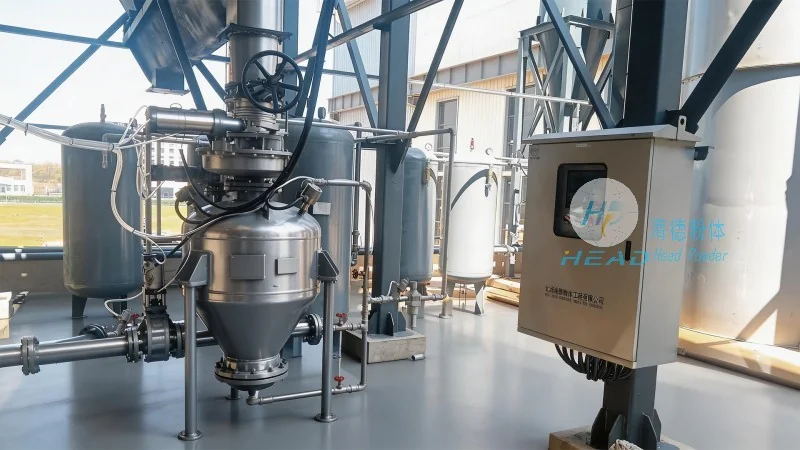
Proper installation and maintenance are essential to ensure the longevity and efficiency of TPU pneumatic conveying systems. Installation should follow manufacturer guidelines, ensuring that all components are properly aligned and secured to prevent leaks or pressure losses. The pipeline should be checked for any kinks or obstructions that could impede flow. Regular maintenance includes inspecting TPU components for signs of wear, such as cracks or abrasion, and replacing them as needed. The air compressor or pump should be maintained to ensure consistent pressure, and filters should be cleaned or replaced regularly to prevent clogging. Additionally, the system should be checked for any leaks in the pipeline or fittings, as even small leaks can reduce efficiency and increase energy consumption. Proper maintenance not only extends the life of the system but also ensures consistent performance and reduces downtime.
Thermoplastic polyurethane pneumatic conveying systems offer a reliable and efficient solution for material handling in various industrial applications. By leveraging the durability and flexibility of TPU materials, these systems provide long-term performance and adaptability to diverse handling needs. The technology continues to evolve, with advancements in material science and system design enhancing efficiency and reducing operational costs. As industries increasingly demand sustainable and effective material handling solutions, TPU pneumatic conveying systems remain a key technology, supporting productivity and operational excellence across sectors. The combination of TPU's properties and pneumatic conveying principles ensures that these systems will remain a vital component of industrial material handling for years to come.

 Shandong Headpowder Engineering Co., Ltd.
 156-6277-7102(Manager Zhang)
  0531-83386006
  Zhangqiu District, Jinan City, Shandong Province, China
telephone
WeChatconsult
top