With more than 10‑year industry experience, Shandong Headpowder delivers full‑service pneumatic‑conveying systems and blowers, undertaking nationwide turn‑key powder‑handling projects.
HeadPowder, a leading engineering company based in Shandong, China, specializes in the design and implementation of advanced pneumatic conveying systems tailored for the efficient handling of magnesium oxide. This article delves into the fundamental principles behind these systems and explores the diverse working scene characteristics that define their application in industrial settings.
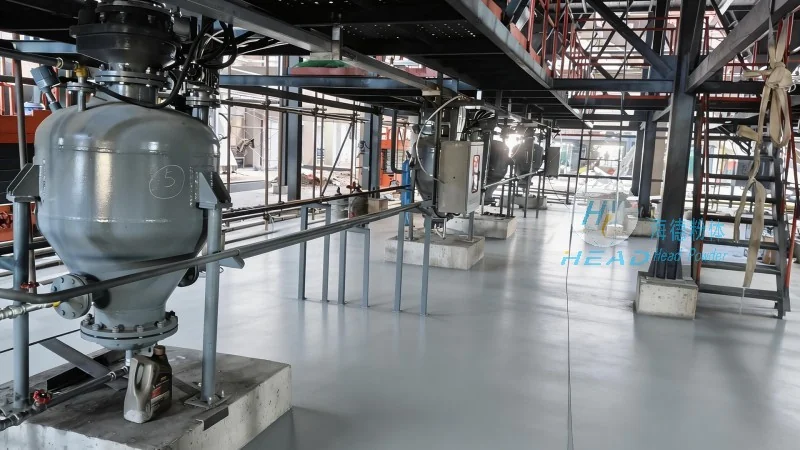
At the heart of magnesium oxide pneumatic conveying systems lies the use of compressed air or gas to transport bulk materials through a pipeline. Unlike traditional mechanical conveying methods, which rely on belts, screws, or buckets, pneumatic systems utilize air pressure to move the material, offering a flexible and often more efficient solution for handling fine powders like magnesium oxide. The process typically involves a hopper or storage silo where the material is fed into a pipeline, and a blower or compressor generates the necessary airflow to propel the powder forward. The system can operate in either suction (or aspirating) mode, where air is drawn through the material to create a negative pressure, or in pressure (or blow) mode, where air is forced into the pipeline to push the material. For magnesium oxide, which is a fine, light powder, the pressure differential and air velocity are carefully controlled to ensure minimal degradation and consistent flow.
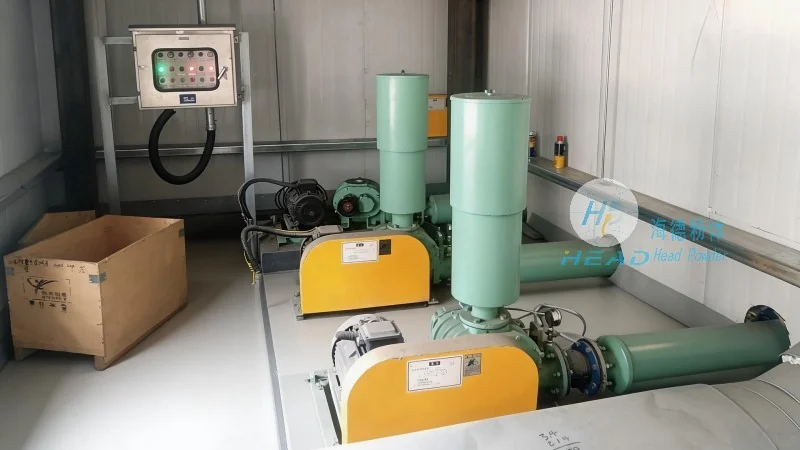
The working scene characteristics of magnesium oxide pneumatic conveying systems are shaped by several critical factors that influence system performance and suitability. First, the material's physical properties, such as particle size, density, and moisture content, directly impact the system's design. Magnesium oxide, with its fine particle size (often in the range of 10-200 microns), requires systems with high air velocity and efficient separation mechanisms to prevent clogging and ensure smooth transport. Second, the system's layout and integration with existing infrastructure play a vital role. In industrial plants, the conveying system may need to connect multiple storage silos, processing units, or packaging stations, necessitating flexible pipeline configurations and control systems that can adapt to varying operational demands. Third, the environmental considerations are paramount. Pneumatic conveying systems are designed to minimize dust emissions and maintain air quality, which is crucial for compliance with industrial safety and environmental regulations. This is achieved through features like dust collection systems, sealed pipelines, and efficient filtration, ensuring that the working environment remains safe and compliant.
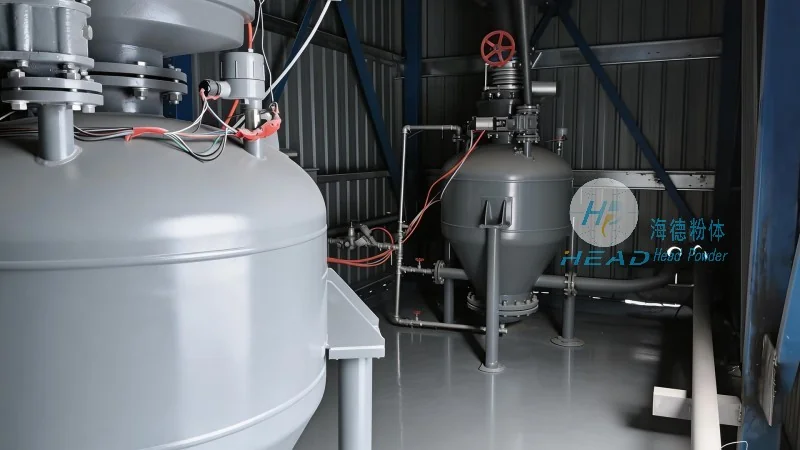
Magnesium oxide pneumatic conveying systems are widely used in various industrial applications where the material needs to be transported from one location to another without degradation. For instance, in chemical manufacturing plants, the system can transport magnesium oxide from raw material storage to processing reactors or mixing units, ensuring a continuous and controlled supply of the material. In pharmaceutical or food processing industries, where material purity is critical, the sealed and dust-free nature of pneumatic systems is particularly advantageous, as it prevents contamination and maintains product quality. Additionally, in construction material production, the system can handle magnesium oxide for use in cement or concrete additives, where consistent particle size and flow are essential for product performance. The operational scenarios also vary based on the scale of the application, from small-scale laboratory setups to large-scale industrial production lines, with the system's capacity and pressure ratings adjusted accordingly.
Implementing a magnesium oxide pneumatic conveying system offers several advantages that make it a preferred choice for many industries. One of the primary benefits is the high efficiency in material transport, as the system can move large volumes of material over long distances with minimal energy consumption compared to mechanical methods. The flexibility of the system allows for easy reconfiguration of the pipeline layout, enabling adaptation to changes in production processes or facility expansions. Additionally, the system's ability to handle fine powders without degradation ensures that the material's quality is maintained throughout the conveying process, which is critical for applications where particle size and purity are key. However, there are also considerations to keep in mind. For example, the system requires regular maintenance to ensure the proper functioning of the air compressor, filter, and pipeline, as any blockage or wear can affect performance. Moreover, the initial investment cost for a pneumatic conveying system can be higher than traditional mechanical systems, though the long-term operational efficiency and reduced maintenance costs often offset this initial expense. The choice of system type (suction vs. pressure) also depends on the specific application, with suction systems being suitable for short distances and low material levels, while pressure systems are better for longer distances and higher material loads.
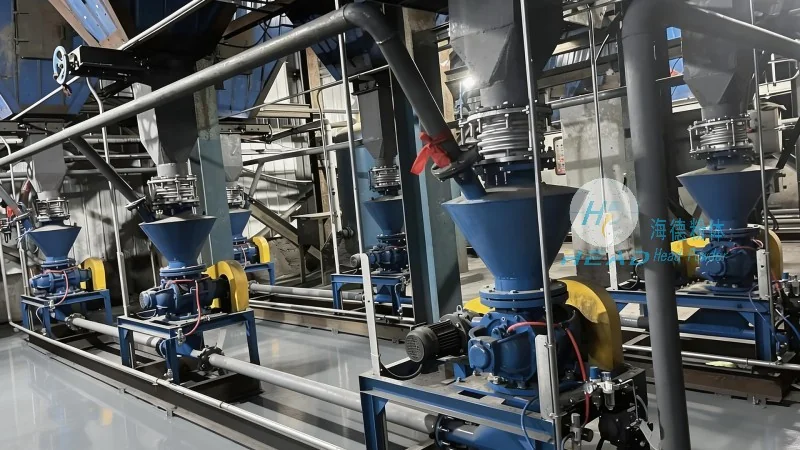
HeadPowder Engineering Co., Ltd., with its expertise in pneumatic conveying technology, provides tailored solutions for magnesium oxide handling that address the unique challenges of transporting fine powders. By understanding the core principles and working scene characteristics of these systems, industrial facilities can optimize their material transport processes, enhance operational efficiency, and ensure compliance with safety and environmental standards. The advanced design and implementation of pneumatic conveying systems by HeadPowder continue to support the efficient and reliable handling of magnesium oxide in various industrial applications, contributing to improved productivity and product quality.

 Shandong Headpowder Engineering Co., Ltd.
 156-6277-7102(Manager Zhang)
  0531-83386006
  Zhangqiu District, Jinan City, Shandong Province, China
telephone
WeChatconsult
top