With more than 10‑year industry experience, Shandong Headpowder delivers full‑service pneumatic‑conveying systems and blowers, undertaking nationwide turn‑key powder‑handling projects.
HeadPowder, a leading provider of specialized material handling solutions, specializes in air-driven conveying systems designed for the efficient transport of lithium cobalt oxide (LCO) materials. This technology is crucial in the battery manufacturing industry, where precise and reliable material transport is essential for production efficiency and product quality. The following sections will explore the working principle of these systems and their key characteristics, providing a comprehensive understanding of how they enhance material handling processes.
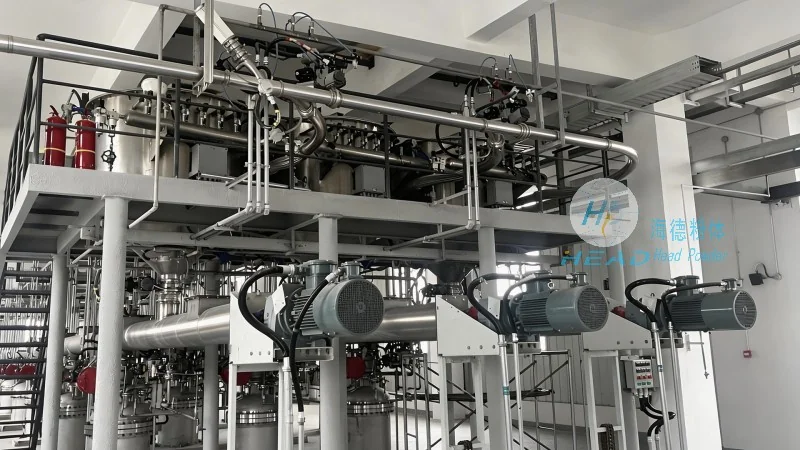
HeadPowder, formally known as Shandong HeadPowder Engineering Co., Ltd., is a reputable enterprise based in Shandong, China. With a strong commitment to innovation and quality, the company has established itself as a trusted partner in the material handling sector, particularly in the processing of high-value materials like lithium cobalt oxide. HeadPowder's expertise lies in developing and implementing advanced air-driven conveying solutions that meet the stringent requirements of modern battery production lines.
At the core of air-driven conveying systems is the use of compressed air to move material particles through a pipeline. The process typically involves several key components: a material feed hopper, a rotary airlock valve, a pipeline system, and a discharge mechanism. The material is first fed into the hopper, where it is then introduced into the pipeline under the pressure of compressed air. The air flow creates a low-pressure zone that pulls the material particles along the pipeline, ensuring a continuous and controlled flow. This method eliminates the need for mechanical components like belts or chains, reducing maintenance requirements and enhancing safety in the handling of potentially hazardous materials such as LCO.
Several distinct characteristics make air-driven conveying an ideal choice for transporting lithium cobalt oxide materials:
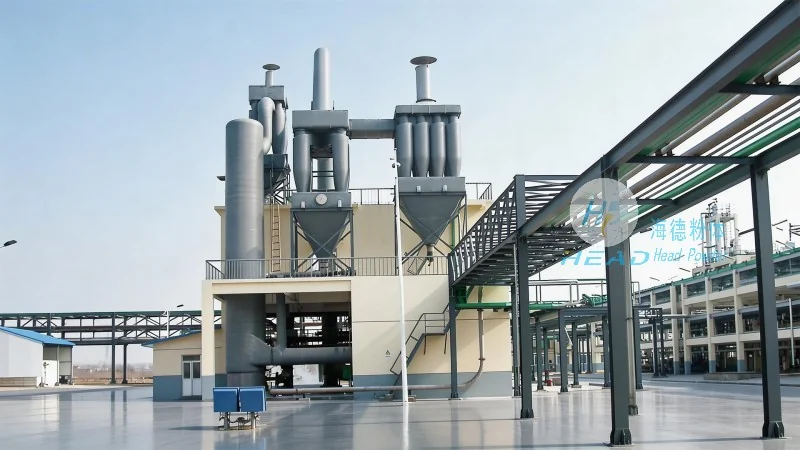
1. Non-Contact Transport: Unlike mechanical systems that involve direct contact with material, air-driven conveying uses air pressure to move particles. This minimizes product contamination and preserves the integrity of LCO materials, which are sensitive to physical abrasion and contamination. The absence of mechanical parts also reduces the risk of product degradation during transport.
2. Flexibility in Layout: Air-driven systems can be easily configured to follow complex layouts, including vertical and horizontal changes in the pipeline. This flexibility allows for the integration of conveying lines into existing production facilities without major structural modifications. The ability to route material around obstacles or through multiple processing stages enhances the overall efficiency of the production line.
3. Low Maintenance Requirements: With fewer moving parts compared to traditional mechanical conveyors, air-driven systems require less frequent maintenance. This reduces downtime and operational costs, making them a cost-effective solution for long-term material handling needs. The simplicity of the system design also facilitates easier troubleshooting and repairs when issues arise.
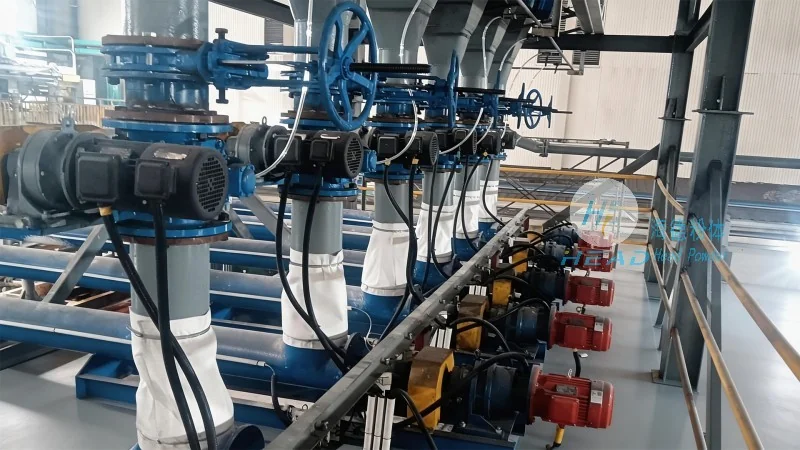
4. Energy Efficiency: Compressed air systems are generally more energy-efficient than mechanical conveyors, especially when considering the overall energy consumption for material transport. The use of air pressure to move material reduces the need for high-power motors and mechanical components, contributing to lower operational costs and a smaller environmental footprint.
5. Hygienic and Clean Operation: Air-driven conveying systems are often designed with hygienic considerations in mind, making them suitable for handling materials that require strict cleanliness standards. The absence of mechanical parts and the ability to maintain a clean pipeline environment help in meeting regulatory and quality control requirements for LCO materials used in battery production.
The application of air-driven conveying systems in the handling of lithium cobalt oxide materials offers several significant advantages that directly impact the performance and profitability of battery manufacturing operations. By ensuring efficient, reliable, and low-maintenance material transport, these systems contribute to improved production throughput, reduced operational costs, and enhanced product quality. The non-contact nature of the transport method also helps in preserving the chemical and physical properties of LCO, which are critical for the performance of lithium-ion batteries. Additionally, the flexibility and scalability of air-driven systems allow manufacturers to adapt to changing production demands and expand their operations without significant investments in new infrastructure.

 Shandong Headpowder Engineering Co., Ltd.
 156-6277-7102(Manager Zhang)
  0531-83386006
  Zhangqiu District, Jinan City, Shandong Province, China
telephone
WeChatconsult
top