

What Are the Methods for Transporting Limestone and Gypsum? An Introduction to the Advantages and Features of Pneumatic Conveying
When it comes to the efficient and reliable transport of limestone and gypsum, various methods are available in industrial applications. These materials, widely used in construction, agriculture, and chemical processes, require specialized handling due to their physical properties such as particle size, moisture content, and bulk density. Understanding the different transportation options is crucial for optimizing operational efficiency and minimizing costs in material handling systems.
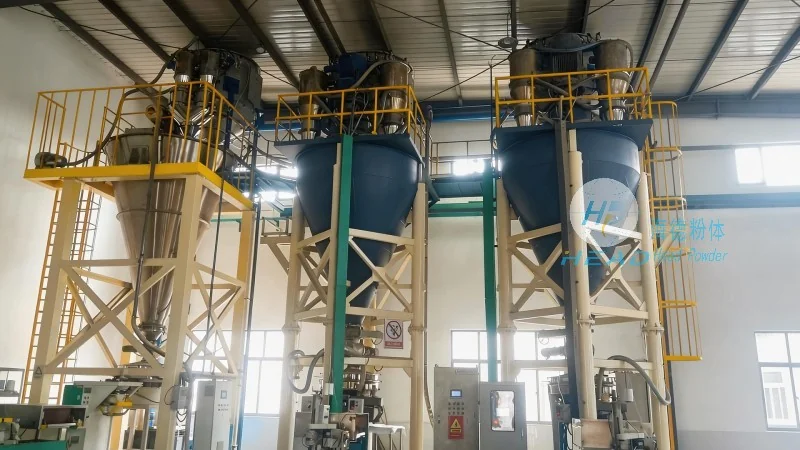
Common Transport Methods for Limestone and Gypsum
Traditional methods for transporting limestone and gypsum include gravity flow, mechanical conveyors like belt conveyors and screw conveyors, and pneumatic systems. Each method has its own set of advantages and limitations, which influence its suitability for specific applications. Gravity flow systems rely on the natural slope of the material to move it from one point to another, often requiring inclined chutes or hoppers. While simple and low-cost, this method is limited by the material's angle of repose and the need for a suitable topography. Mechanical conveyors, particularly belt and screw conveyors, are widely used for bulk material transport. They offer high capacity and can handle a variety of particle sizes. However, they may face challenges with abrasive materials like limestone, leading to increased wear and maintenance costs. Additionally, mechanical systems can be bulky and require significant space for installation.
Pneumatic Conveying: A Modern Solution for Limestone and Gypsum Transport
Among the available transport methods, pneumatic conveying stands out as a highly effective solution for limestone and gypsum. Pneumatic systems use air or other gases to transport bulk materials through a pipeline network. This technology is particularly advantageous for materials that are dusty, have high moisture content, or are prone to caking. The key components of a pneumatic conveying system include a material feed hopper, a conveyor line, and a control system. The system operates by creating a pressure differential, either by suction or pressure, to move the material through the pipeline. There are two main types of pneumatic conveying: dilute-phase and dense-phase. Dilute-phase systems use low air-to-material ratios, resulting in high velocity and minimal pressure drop. They are suitable for short-distance transport and materials with low dust generation. Dense-phase systems, on the other hand, use higher air-to-material ratios, leading to lower velocity and higher pressure. This method is ideal for longer distances and materials that require gentle handling to prevent degradation or damage.
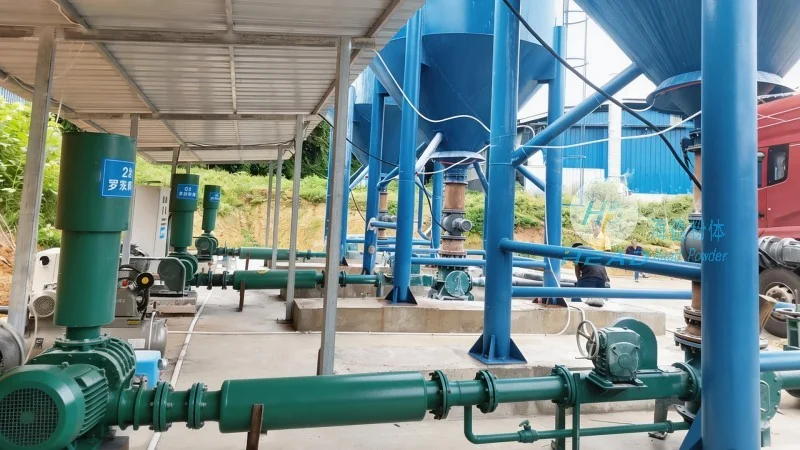
Advantages of Pneumatic Conveying for Limestone and Gypsum
One of the primary advantages of pneumatic conveying is its ability to handle materials with high moisture content and fine particles without clogging or degradation. Unlike mechanical systems, pneumatic conveyors do not rely on physical contact with the material, reducing wear and tear on components. This results in lower maintenance costs and longer equipment lifespan. Additionally, pneumatic systems offer flexibility in layout, as pipelines can be installed in various configurations to accommodate complex plant layouts. They also provide better containment of dust, which is crucial for maintaining environmental standards and worker safety. The ability to transport materials over long distances without the need for intermediate storage or transfer points enhances operational efficiency and reduces downtime. Furthermore, pneumatic conveying systems can be integrated with other processing equipment, such as mixers or classifiers, to create a seamless material handling process.
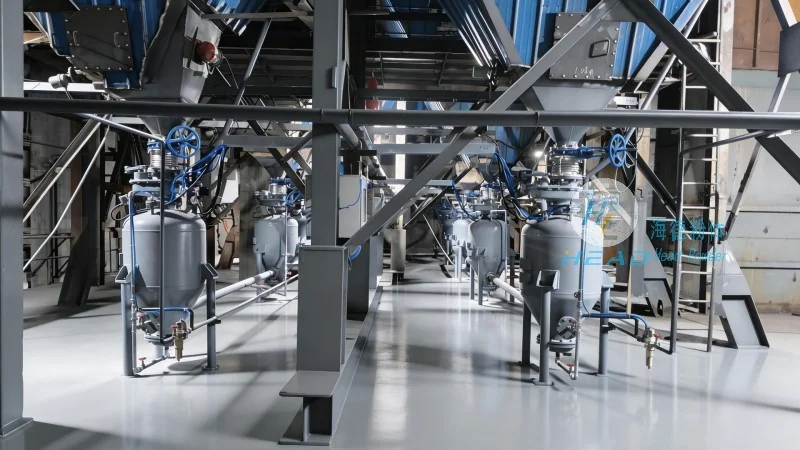
Key Features and Considerations for Pneumatic Conveying Systems
When selecting a pneumatic conveying system for limestone and gypsum, several key features and considerations must be taken into account. The first is the material's physical properties, including particle size distribution, bulk density, and moisture content. These factors determine the appropriate air-to-material ratio and system design. For example, fine limestone powders may require a dense-phase system to prevent clogging, while larger gypsum blocks might need a combination of dilute and dense-phase sections. The system's capacity and pressure requirements are also critical. High-capacity systems are suitable for large-scale industrial applications, while low-capacity systems are ideal for smaller operations. Energy efficiency is another important consideration, as pneumatic conveying systems can consume significant amounts of power. Modern systems incorporate energy-saving features, such as variable frequency drives and optimized air flow, to reduce operational costs. Additionally, the system's durability and resistance to corrosion are essential, especially when handling materials that are abrasive or chemically reactive. Materials like stainless steel or special alloys are often used for components that come into direct contact with the material to ensure longevity and prevent contamination.
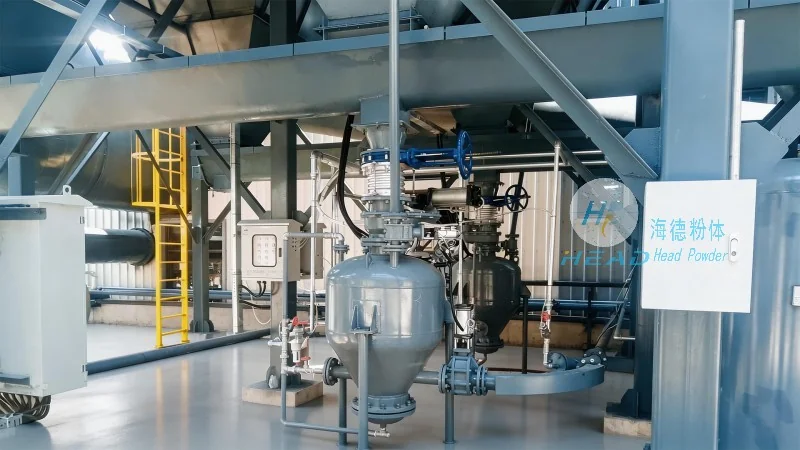
Application Examples in Industrial Settings
Pneumatic conveying systems are widely used in various industrial applications involving limestone and gypsum. In the construction industry, these systems are employed to transport limestone for cement production, where the material is fed into grinding mills and kilns. The ability to handle fine limestone powders and maintain consistent flow is crucial for achieving high-quality cement. In the agricultural sector, pneumatic conveyors are used to transport gypsum for soil amendment, ensuring even distribution of the material across large fields. The gentle handling provided by pneumatic systems prevents the breakdown of soil aggregates, maintaining soil structure and fertility. In the chemical industry, limestone and gypsum are used as raw materials in the production of fertilizers and other chemical products. Pneumatic conveying enables the efficient transport of these materials from storage silos to processing units, reducing the risk of material loss and contamination. The flexibility of pneumatic systems allows them to be integrated into existing plant layouts, minimizing the need for major infrastructure changes.
Conclusion: Choosing the Right Transport Method for Limestone and Gypsum
When evaluating transport methods for limestone and gypsum, it is essential to consider the specific requirements of the application, including material properties, distance, and operational constraints. While traditional methods like gravity flow and mechanical conveyors have their place, pneumatic conveying offers significant advantages in terms of efficiency, flexibility, and material handling. The ability to handle a wide range of materials, including dusty and moist substances, makes pneumatic systems a preferred choice for many industrial applications. By carefully selecting the appropriate system design and components, industrial operations can optimize their material handling processes, reduce costs, and improve overall productivity. As technology continues to advance, pneumatic conveying systems are likely to become even more efficient and versatile, further enhancing their role in the transport of limestone and gypsum.