With more than 10‑year industry experience, Shandong Headpowder delivers full‑service pneumatic‑conveying systems and blowers, undertaking nationwide turn‑key powder‑handling projects.
Bagasse, a byproduct of sugarcane processing, is integral to various industrial applications. The efficient handling of bagasse powder is essential for optimizing production workflows in sugar mills and related sectors. Pneumatic conveying systems, particularly those engineered for bagasse powder, offer a reliable solution for transporting these fine materials. This article delves into the working principle and key characteristics of bagasse powder pneumatic conveying equipment, highlighting how such systems enhance operational efficiency and material management capabilities.
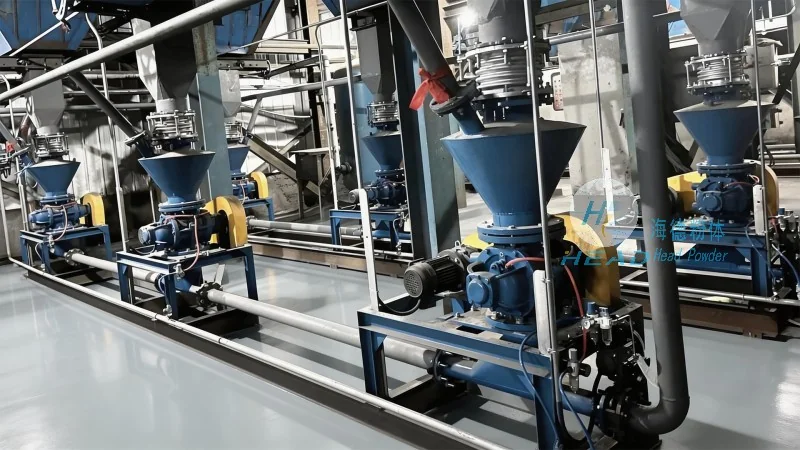
The fundamental operation of a bagasse powder pneumatic conveying system revolves around transporting dry powders through a pressurized or vacuum environment using air or other gases. The system comprises several core components and processes that collaborate to move the material from the source to the destination. Typically, the setup includes a hopper, a conveyor line, a compressor or vacuum pump, and a control system. The bagasse powder is initially loaded into the hopper, where it is fed into the conveyor line. As air is introduced, it creates a flow that lifts and transports the powder particles through the pipeline. The air velocity is carefully regulated to ensure the powder is carried without causing excessive wear or degradation. The system may operate under positive pressure (air blown into the system) or negative pressure (air drawn out), depending on the specific application and layout. The control system monitors parameters like pressure, flow rate, and material level to maintain optimal performance and prevent blockages or other issues.
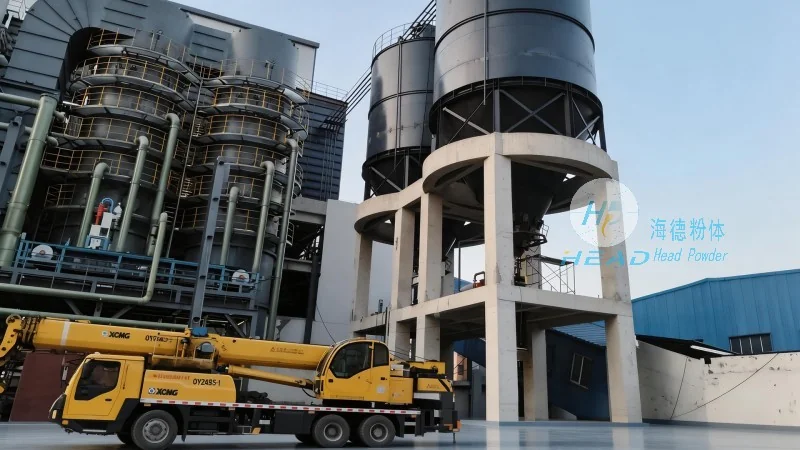
Bagasse powder pneumatic conveying equipment is designed with several features tailored for handling fine, abrasive materials like bagasse. A primary feature is its capacity to handle high material volumes with minimal maintenance. The system employs a closed-loop design, which helps to contain dust emissions and maintain a clean working environment—critical in sugar mills for worker safety and regulatory compliance. Another key feature is the system's adaptability to different operating conditions. It can be configured for positive or negative pressure operation, allowing flexibility in the layout of the conveying line. The equipment is also equipped with advanced control systems that provide real-time monitoring and adjustment, ensuring consistent performance and preventing downtime. Additionally, components are constructed from corrosion-resistant materials such as stainless steel or specialized alloys, extending the system's lifespan and reducing repair needs. The design minimizes material degradation, as the powder is not subjected to excessive friction or impact during transport—essential for preserving bagasse quality, which is often used in biofuel production or animal feed.
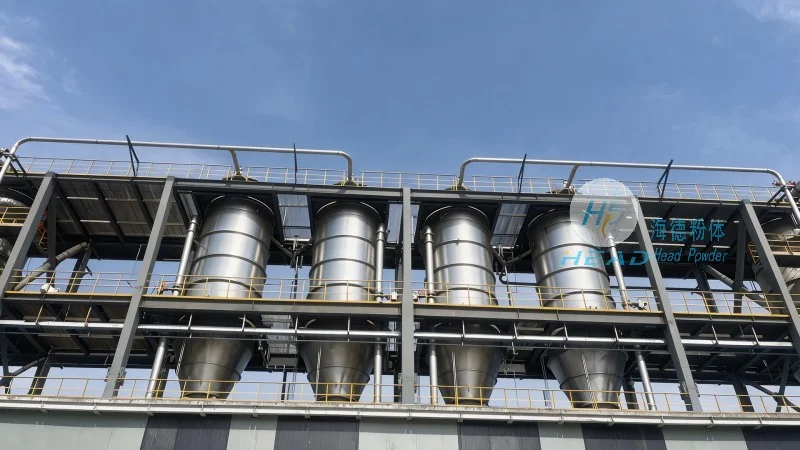
Implementing a bagasse powder pneumatic conveying system offers significant benefits for sugar mills and related industries. One major advantage is improved operational efficiency. By automating material handling, the system reduces manual labor and minimizes transport time, boosting production throughput and lowering labor costs. The system also enhances safety by eliminating manual handling of large powder quantities, reducing risks of dust inhalation and other health hazards. Furthermore, the closed-loop design controls dust emissions, contributing to a safer working environment. The equipment's reliability is another key benefit, as it is built for continuous operation without frequent interruptions, ensuring production processes remain uninterrupted and output is consistent. Its adaptability to various applications makes it a versatile solution, easily integrated into existing production lines with minimal modifications.
Bagasse powder pneumatic conveying equipment is primarily used in the sugar industry to transport bagasse from extraction and processing stages to storage or further processing facilities. However, its applications extend beyond the sugar sector. In the biofuel industry, for example, the equipment transports bagasse to biofuel plants for conversion into ethanol or renewable energy. Similarly, in the animal feed industry, it moves bagasse to feed mills for processing into animal feed. The versatility of the equipment makes it suitable for a wide range of fine powder handling needs, making it a valuable asset for any industry reliant on efficient material transport.
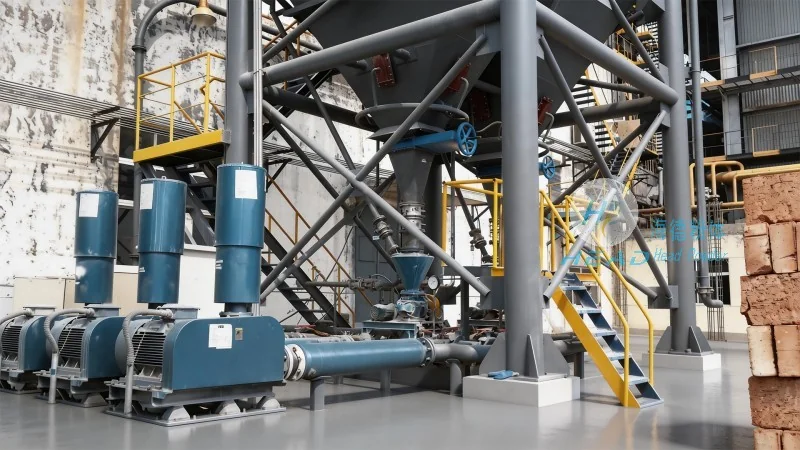
Bagasse powder pneumatic conveying equipment is a critical component in modern industrial operations, especially in the sugar and biofuel industries. Its working principle, based on pneumatic transport, provides an efficient and reliable method for handling bagasse powder. The key features—including closed-loop design, advanced control systems, and durable construction—ensure effective and safe operation. The advantages of using such systems, like improved efficiency, enhanced safety, and reduced maintenance, make them a worthwhile investment for facilities handling bagasse. As demand for efficient material handling solutions grows, the bagasse powder pneumatic conveying equipment remains a popular choice for industries seeking to optimize operations and maximize productivity. Shandong HeadPowder Engineering Co., Ltd., a leading manufacturer in this field, specializes in providing high-quality pneumatic conveying systems tailored to client needs, ensuring they receive the best solution for their material handling challenges. With operations based in Shandong, China, the company leverages its expertise to deliver reliable equipment that meets the demands of industrial applications worldwide.

 Shandong Headpowder Engineering Co., Ltd.
 156-6277-7102(Manager Zhang)
  0531-83386006
  Zhangqiu District, Jinan City, Shandong Province, China
telephone
WeChatconsult
top