With more than 10‑year industry experience, Shandong Headpowder delivers full‑service pneumatic‑conveying systems and blowers, undertaking nationwide turn‑key powder‑handling projects.
Calcium fluoride (CaF₂), commonly known as fluorspar, is a widely used industrial mineral in various applications such as metallurgy, glass manufacturing, and chemical production. The efficient and reliable transport of calcium fluoride material is crucial for maintaining production efficiency and safety in industrial processes. This article provides an overview of the working principle and key features of calcium fluoride material handling equipment, highlighting how these systems enhance operational performance in industrial settings.
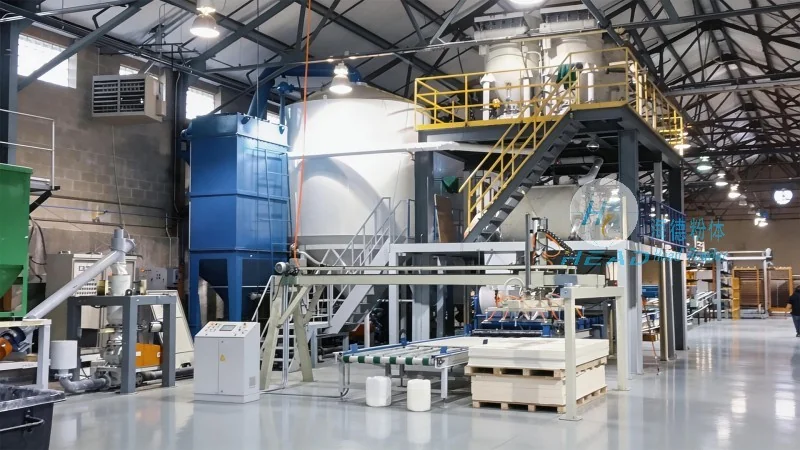
Calcium fluoride material handling equipment typically operates based on mechanical or pneumatic principles, depending on the specific design and application requirements. The core components of these systems include feeders, conveyors, and control mechanisms that work in tandem to move calcium fluoride from storage areas to processing units. For instance, belt conveyors are commonly used to transport bulk calcium fluoride over short to medium distances, utilizing friction and gravity to move the material. In contrast, screw conveyors or pneumatic conveying systems may be employed for more complex or vertical transport needs, ensuring minimal material degradation and loss.
The working principle often involves the use of specialized equipment tailored to the physical properties of calcium fluoride. Since calcium fluoride is a brittle, abrasive material, equipment design must account for wear resistance and material handling efficiency. For example, the use of high-strength materials in conveyor belts and components helps to reduce wear and extend the operational lifespan of the system. Additionally, control systems may incorporate sensors to monitor material flow, ensuring consistent and safe transport. This integrated approach ensures that calcium fluoride is moved efficiently while minimizing the risk of blockages or material spillage.
Several key features distinguish effective calcium fluoride material handling equipment, making them suitable for demanding industrial environments. One of the primary features is durability and robust construction, as calcium fluoride can be abrasive and may cause wear on standard equipment. Equipment from Shandong HeadPowder Engineering Co., Ltd. (headpowder) often incorporates reinforced components and specialized coatings to withstand the harsh conditions associated with calcium fluoride transport. This durability is further enhanced by the use of high-quality bearings and drive systems that ensure smooth operation over extended periods.
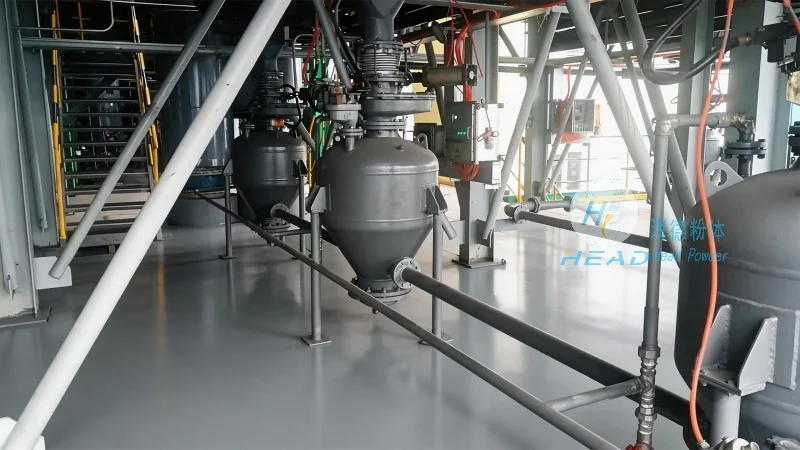
Another critical feature is the ability to handle varying material conditions, including different particle sizes and moisture levels. Calcium fluoride may be received in bulk or as a fine powder, requiring equipment that can adapt to these variations. Advanced systems may include adjustable feed rates and variable speed drives, allowing operators to optimize the transport process based on material characteristics. This flexibility ensures consistent performance and reduces downtime caused by material changes.
Efficiency and energy conservation are also important features of modern calcium fluoride material handling equipment. Many systems incorporate energy-efficient motors and variable frequency drives (VFDs) to minimize power consumption while maintaining optimal transport speeds. Additionally, the design of the equipment may include features to reduce material spillage and improve overall process efficiency. For example, sealed conveyor systems and proper sealing of hoppers help to contain calcium fluoride, preventing environmental contamination and maintaining a clean working environment.
The choice of calcium fluoride material handling equipment often depends on the specific application and production scale. For small-scale operations, manual or semi-automated systems may be sufficient, while large-scale industrial facilities require more advanced, automated solutions. In glass manufacturing, for instance, calcium fluoride is often used as a flux, and the equipment must be capable of delivering precise amounts of material to the furnace. This requires high-precision feeders and control systems to ensure consistent flux addition, which is critical for glass quality and production efficiency.
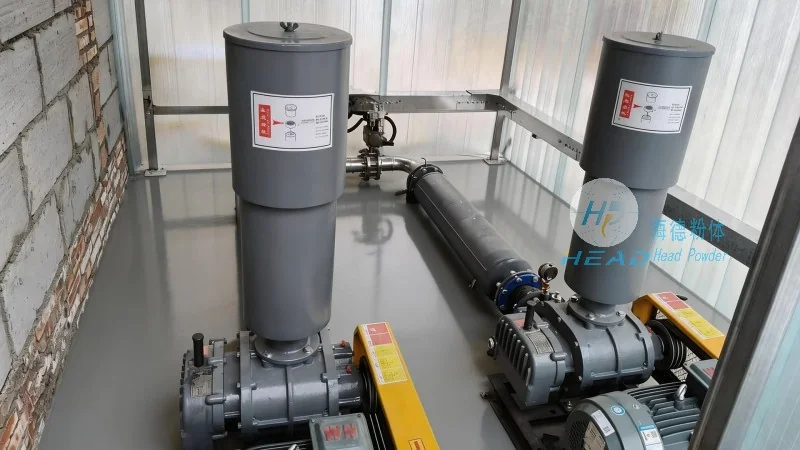
In metallurgical processes, calcium fluoride may be used as a flux to remove impurities from metal ores. The material handling equipment must be designed to handle high temperatures and corrosive environments, with components that can withstand exposure to molten materials and chemical reactions. The use of heat-resistant materials and proper insulation in the equipment helps to maintain operational safety and longevity.
Chemical production applications may involve the transport of calcium fluoride in wet or dry forms, requiring equipment that can handle both. Pneumatic conveying systems are often preferred for transporting fine calcium fluoride powders over long distances, as they can minimize dust generation and provide a clean, controlled transport environment. These systems typically use compressed air to move the material through pipelines, ensuring efficient and dust-free transport.
Proper maintenance is essential to ensure the long-term performance and reliability of calcium fluoride material handling equipment. Regular inspections of conveyor belts, bearings, and drive systems are necessary to identify and address potential issues before they lead to equipment failure. For abrasive materials like calcium fluoride, it is important to replace worn components promptly to prevent increased wear on other parts of the system.
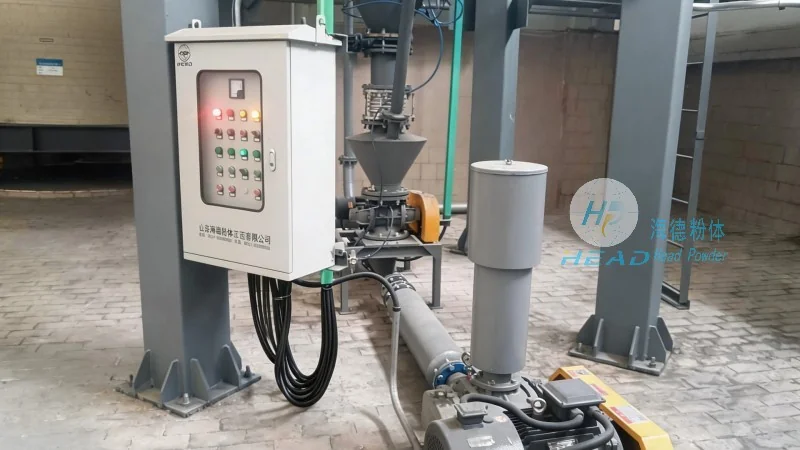
Cleaning the equipment after each use is also crucial to prevent material buildup and corrosion. Calcium fluoride can adhere to surfaces, leading to blockages or reduced efficiency if not cleaned regularly. Using appropriate cleaning agents and tools helps to maintain the equipment's performance and extend its lifespan. Additionally, training operators on proper handling procedures and equipment operation can reduce the risk of accidents and improve overall operational efficiency.
Monitoring the operational parameters of the equipment, such as flow rates and power consumption, can provide valuable insights into its performance. Any deviations from normal operating conditions may indicate a problem that needs to be addressed. Regular maintenance schedules, including lubrication and component replacement, should be followed to ensure the equipment operates at optimal levels. By adhering to these maintenance practices, industrial facilities can maximize the lifespan of their calcium fluoride material handling equipment and minimize downtime.
Calcium fluoride material handling equipment plays a vital role in the efficient and safe transport of this important industrial mineral. The working principle and key features of these systems, such as durability, adaptability, and energy efficiency, are designed to meet the demands of various industrial applications. Companies like Shandong HeadPowder Engineering Co., Ltd. (headpowder) provide specialized equipment tailored to the unique properties of calcium fluoride, ensuring reliable performance in demanding environments. By understanding the working principles and features of calcium fluoride material handling equipment, industrial operators can optimize their processes, enhance safety, and improve overall production efficiency.

 Shandong Headpowder Engineering Co., Ltd.
 156-6277-7102(Manager Zhang)
  0531-83386006
  Zhangqiu District, Jinan City, Shandong Province, China
telephone
WeChatconsult
top