With more than 10‑year industry experience, Shandong Headpowder delivers full‑service pneumatic‑conveying systems and blowers, undertaking nationwide turn‑key powder‑handling projects.
HeadPowder, a leading engineering company based in Shandong, China, specializes in the design and implementation of material handling systems tailored for aluminum battery production. This article delves into the core principles of aluminum battery material handling and highlights the key working scene characteristics that define efficient operations in this sector.
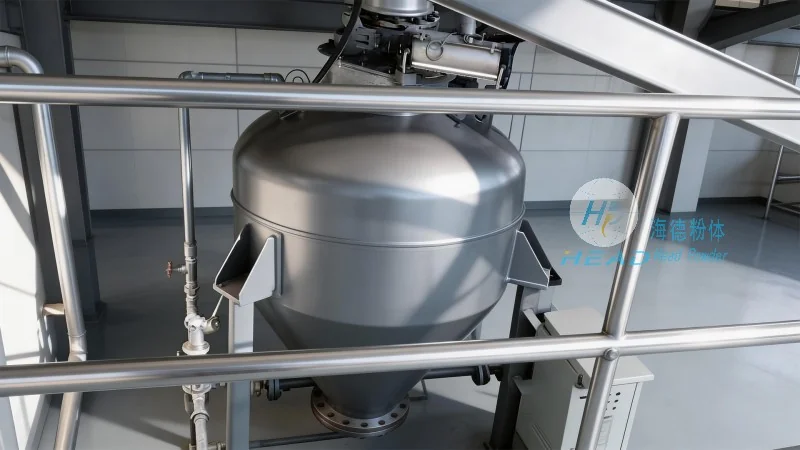
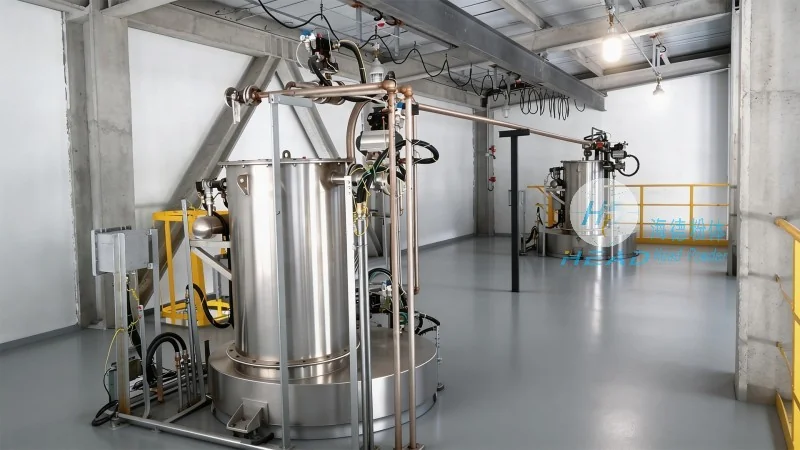
Aluminum battery material handling systems are engineered to manage the flow of raw materials, intermediate products, and finished goods through various stages of the battery manufacturing process. The primary principles guiding these systems include efficiency, safety, and adaptability. Efficiency is achieved through optimized material flow paths, reduced handling time, and minimized human intervention where possible. Safety is paramount, as aluminum battery production involves handling potentially hazardous materials and operating heavy machinery. The systems are designed with robust safety features, such as automated controls, emergency stop mechanisms, and protective enclosures, to mitigate risks. Adaptability is another critical principle, as aluminum battery production processes may evolve with technological advancements or changes in product specifications. The material handling systems are built with modular components that allow for easy reconfiguration and scalability to accommodate future needs. For instance, a modular conveyor system can be expanded to handle increased production volumes or reconfigured to accommodate new material types without major system overhauls. This flexibility is essential for manufacturers aiming to stay competitive in a rapidly evolving market.
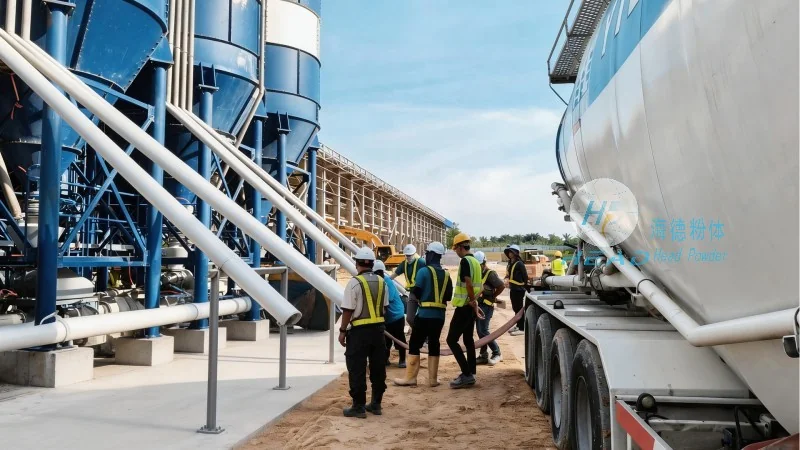
The working scenes in aluminum battery material handling operations exhibit distinct characteristics that influence system design and performance. One key characteristic is the high volume and variability of materials. Aluminum batteries require a range of raw materials, including aluminum foil, electrolyte solutions, and separators, each with different handling requirements. The material handling systems must be capable of handling these diverse materials efficiently, often through integrated conveyor systems, storage solutions, and automated sorting mechanisms. For example, aluminum foil, which is lightweight and flexible, may be handled using belt conveyors with adjustable speed controls to prevent tearing or damage. Electrolyte solutions, which are viscous and potentially corrosive, require specialized containers and handling equipment, such as pneumatic conveying systems or sealed tanks, to ensure safe and hygienic transport. Separators, which are thin and delicate, may be handled using precision robotic arms or automated pick-and-place systems to maintain their integrity. Another characteristic is the need for precision and consistency in material handling. Even small variations in material dimensions or quality can impact battery performance and safety. Therefore, the systems incorporate advanced sensors and control technologies to ensure accurate material handling, such as precise weight measurement, position control, and quality inspection at various stages. For instance, a laser sensor may be used to measure the thickness of aluminum foil during the handling process, ensuring that it meets the specified tolerances. This level of precision helps maintain battery performance and reduces the risk of defects. Additionally, the working scenes often involve complex production layouts, with multiple production lines, storage areas, and quality control checkpoints. The material handling systems are designed to integrate seamlessly with these layouts, ensuring smooth material flow and minimizing bottlenecks. This integration is achieved through centralized control systems that coordinate the operation of different handling equipment, such as conveyors, cranes, and automated guided vehicles (AGVs). The control system uses real-time data from sensors and production lines to optimize material movement, reducing idle time and improving overall throughput. For example, an AGV may be programmed to transport finished aluminum batteries from the production line to the packaging area, while a conveyor system transports raw materials from the storage to the production line. The coordination between these systems ensures that materials are available when needed and that the production process runs smoothly.
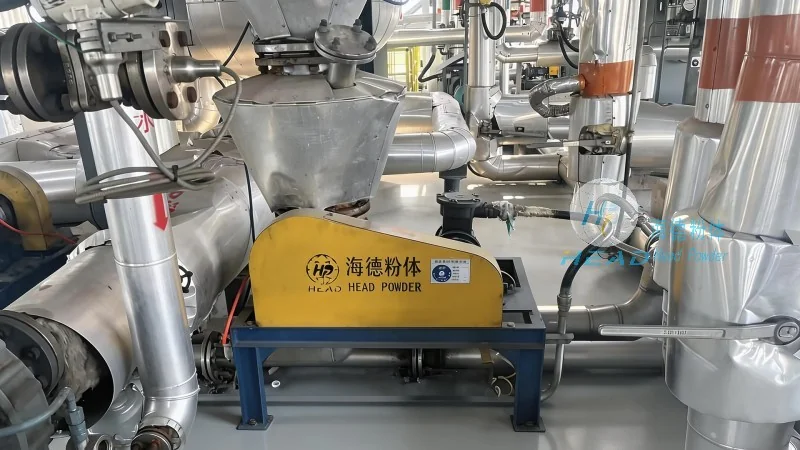
Shandong HeadPowder Engineering Co., Ltd. leverages its extensive experience and technical expertise to provide customized material handling solutions for aluminum battery manufacturers. The company's team of engineers and technicians works closely with clients to understand their specific production requirements, including material types, production capacity, and operational constraints. Based on this understanding, HeadPowder designs and implements tailored systems that align with the core principles of efficiency, safety, and adaptability. The company utilizes advanced design software and simulation tools to model and optimize material flow, ensuring that the final system meets the client's performance and safety standards. HeadPowder's solutions often include a combination of mechanical, electrical, and software components, such as automated conveyor systems, robotic handling equipment, and integrated control panels. These components are selected based on the specific needs of the aluminum battery production process, ensuring optimal performance and reliability. For instance, the company may recommend a pneumatic conveying system for handling electrolyte solutions due to its ability to transport viscous materials over long distances without the need for complex infrastructure. Alternatively, for handling lightweight materials like aluminum foil, HeadPowder may suggest a belt conveyor system with adjustable speed and tension controls to prevent material damage. The company also provides comprehensive after-sales support, including maintenance, training, and system upgrades, to ensure that the material handling systems continue to operate efficiently over their lifespan. This support includes regular maintenance checks, software updates, and operator training programs to enhance system performance and user proficiency. By focusing on these aspects, HeadPowder helps aluminum battery manufacturers improve their operational efficiency, reduce costs, and enhance product quality. The company's commitment to customer satisfaction and technical excellence has made it a trusted partner for many aluminum battery manufacturers in China and beyond.

 Shandong Headpowder Engineering Co., Ltd.
 156-6277-7102(Manager Zhang)
  0531-83386006
  Zhangqiu District, Jinan City, Shandong Province, China
telephone
WeChatconsult
top