With more than 10‑year industry experience, Shandong Headpowder delivers full‑service pneumatic‑conveying systems and blowers, undertaking nationwide turn‑key powder‑handling projects.
For manufacturers in the food industry, the efficient and reliable transportation of food additives is crucial to maintaining production efficiency and product quality. A well-designed material handling system is essential for ensuring that raw materials are transported safely and hygienically from storage to processing lines. This article will explore the working principles and key features of modern food additive material handling systems, highlighting how they contribute to operational excellence in food processing facilities.
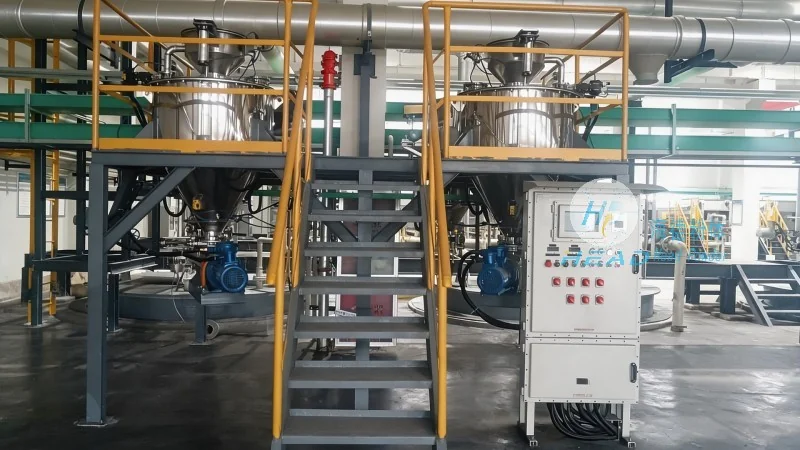
The core function of a food additive material handling system is to move bulk or packaged food additives through a production facility with precision and control. These systems typically operate based on a combination of mechanical and automated processes designed to handle various types of additives, including powders, granules, and liquids. The working principle involves several key components that work in tandem to ensure smooth material flow.
First, the system begins with the intake of raw materials. This may involve receiving bulk additives from trucks or storage silos, where bulk materials are transferred into the system via conveyor belts, screw conveyors, or pneumatic systems. For packaged products, the system may include automated palletizers or stackers that organize containers for subsequent handling. The next stage involves sorting and batching, where the system separates different types of additives or mixes them according to production requirements. This is often achieved through automated weighing and dispensing units that ensure accurate dosing. Finally, the system transports the processed additives to the final destination, such as storage silos, packaging lines, or direct to production equipment. The entire process is typically controlled by a centralized system, allowing operators to monitor and adjust the flow in real-time to optimize efficiency and minimize downtime.
Modern food additive material handling systems are characterized by several advanced features that enhance their performance and adaptability. One of the most important features is hygienic design, which is critical for maintaining compliance with food safety regulations. These systems are constructed from materials such as stainless steel, which is non-porous and easy to clean, reducing the risk of bacterial growth and contamination. Additionally, the system incorporates sealed and enclosed components to prevent cross-contamination between different additives, ensuring that each product remains pure and free from impurities.
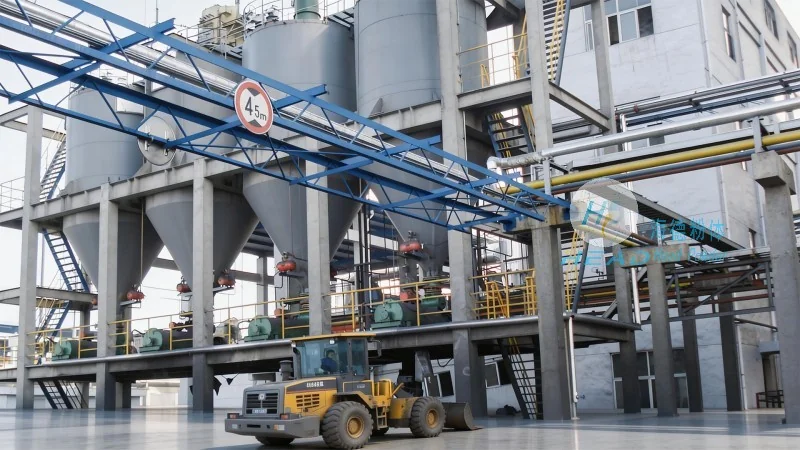
Another key feature is the integration of automation and control systems. Many modern systems use programmable logic controllers (PLCs) and human-machine interfaces (HMIs) to automate material flow, reducing the need for manual intervention and minimizing human error. This automation also allows for precise control over dosing and batching, ensuring that the correct amount of additive is used in each batch. Furthermore, the system may include sensors and monitoring devices that track the status of the material, such as level indicators or flow meters, providing real-time data to operators. This data can be used to identify potential issues, such as blockages or uneven flow, allowing for quick troubleshooting and maintenance.
Energy efficiency is also a significant feature of contemporary material handling systems. Advanced systems are designed to minimize energy consumption through the use of variable frequency drives (VFDs) and other energy-saving technologies. These technologies adjust motor speeds based on the load, reducing energy waste and lowering operational costs. Additionally, the system may include features such as automatic shutdown when not in use, further reducing energy consumption. The integration of energy-efficient components not only benefits the environment but also contributes to lower operating costs for the facility.
Flexibility is another important feature that allows manufacturers to adapt to changing production needs. Modern systems are often modular, meaning they can be easily expanded or reconfigured to accommodate new products or increased production volumes. This flexibility is particularly valuable in the food industry, where product lines may change frequently or production requirements may vary. The system may include interchangeable components, such as different conveyor types or storage silos, allowing for quick adjustments without major modifications. Furthermore, the automation and control systems can be programmed to handle different types of additives, making the system versatile and adaptable to various production scenarios.
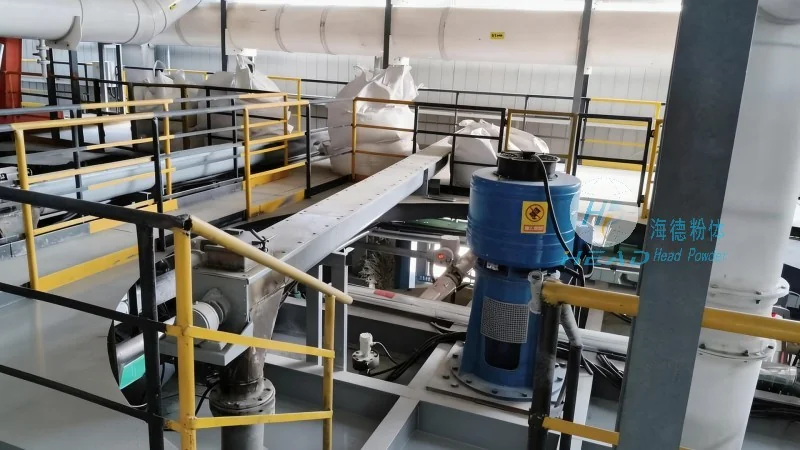
Shandong HeadPowder Engineering Co., Ltd. is a leading manufacturer of specialized material handling systems for the food industry. With a strong focus on innovation and quality, the company has established itself as a trusted partner for food manufacturers seeking reliable and efficient solutions for their additive handling needs. HeadPowder specializes in designing and manufacturing custom material handling systems tailored to the specific requirements of each client, ensuring that the systems meet the highest standards of hygiene, safety, and performance.
HeadPowder's expertise lies in the integration of advanced technologies into material handling systems. The company utilizes state-of-the-art engineering and manufacturing processes to develop systems that are both efficient and durable. The systems are designed to withstand the harsh conditions of food processing environments, including high temperatures, moisture, and chemical exposure. Additionally, the company adheres to strict quality control standards, ensuring that each system is thoroughly tested and validated before delivery. This commitment to quality has earned HeadPowder a reputation for delivering reliable and long-lasting solutions that enhance the productivity and safety of food processing facilities.
HeadPowder's headquarters is located in Shandong, China, where the company has a state-of-the-art manufacturing facility and a team of experienced engineers and technicians. The company's facility is equipped with advanced design and testing equipment, allowing for the development of custom solutions that meet the unique needs of each client. The team at HeadPowder works closely with clients to understand their production processes and requirements, ensuring that the final system is optimized for their specific application. This collaborative approach has resulted in successful partnerships with numerous food manufacturers worldwide, who have benefited from the company's expertise and commitment to excellence.

 Shandong Headpowder Engineering Co., Ltd.
 156-6277-7102(Manager Zhang)
  0531-83386006
  Zhangqiu District, Jinan City, Shandong Province, China
telephone
WeChatconsult
top