

Working Principle and Features of a Glucose Pneumatic Conveying System
Glucose pneumatic conveying systems represent advanced industrial solutions engineered to transport granular or powdered materials, such as glucose, with precision and efficiency. These systems utilize compressed air or vacuum to move materials through a pipeline network, offering significant advantages over conventional mechanical conveying methods. Understanding the underlying working principle and key characteristics of such systems is essential for industries dependent on reliable material handling, particularly in food processing and pharmaceutical sectors where product integrity and hygiene are non-negotiable.
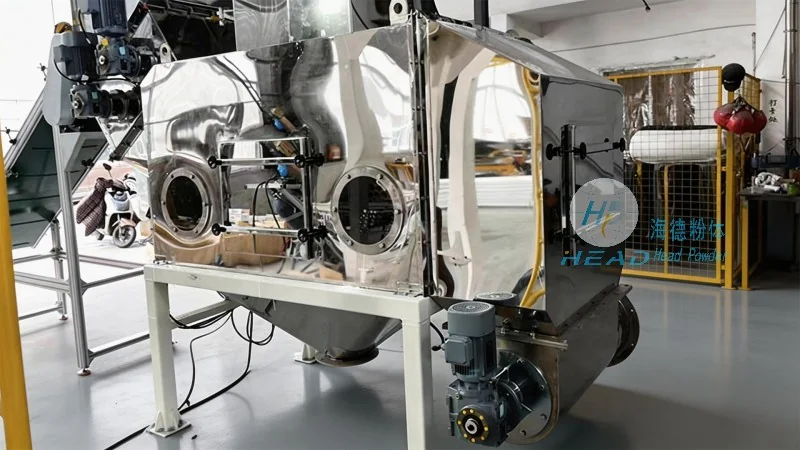
Working Principle of the Glucose Pneumatic Conveying System
The fundamental mechanism of a glucose pneumatic conveying system revolves around the use of air to transport the material. The system typically operates under either positive pressure (pressure conveying) or negative pressure (vacuum conveying). In pressure conveying, a blower or compressor generates high-pressure air that forces the glucose particles into the pipeline. The air and material mixture travels through the system, with the air providing the necessary momentum to move the product. In vacuum conveying, a vacuum pump creates a low-pressure environment that draws the material into the pipeline, often using a hopper or feeder to introduce the glucose. The system includes components like a hopper, feeder, pipeline, and receiver, all working in concert to ensure smooth and continuous material transport. The air velocity and pressure are meticulously controlled to prevent material degradation, ensure consistent flow rates, and maintain system efficiency.
Key Features of the Glucose Pneumatic Conveying System
One of the most prominent features of a glucose pneumatic conveying system is its capability to handle fine or delicate materials without causing damage or segregation. The system’s design minimizes product attrition, ensuring that the glucose remains in its original form, which is critical for maintaining quality in food and pharmaceutical applications. Additionally, the system offers high flexibility in terms of layout, allowing for complex pipeline configurations to accommodate different facility layouts and operational needs. This adaptability makes it suitable for both new installations and retrofits in existing production lines. Another key feature is the system’s hygienic design, which includes smooth surfaces, easy-to-clean components, and minimal dead zones, reducing the risk of contamination and ensuring compliance with industry standards like GMP (Good Manufacturing Practice). The system also provides real-time monitoring capabilities, allowing operators to track flow rates, pressure, and other critical parameters, enabling proactive maintenance and optimization of performance.
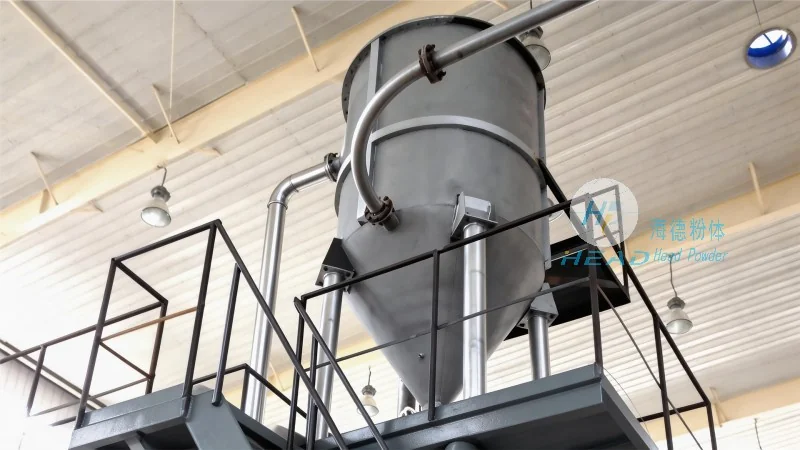
Technical Advantages in Material Handling
Compared to traditional mechanical conveying systems, glucose pneumatic conveying systems offer several technical advantages that enhance operational efficiency and product quality. The primary advantage is the reduction in material handling time and labor costs, as the system can transport large volumes of glucose quickly and with minimal human intervention. The system also reduces the risk of cross-contamination, as the enclosed pipeline design prevents exposure to external elements and contaminants. Furthermore, the system’s ability to handle varying particle sizes and moisture content makes it versatile for different types of glucose products, from powdered to granular forms. The energy efficiency of the system, particularly in vacuum conveying, is another significant benefit, as it uses less power while maintaining high throughput. The system’s compact design and modular components allow for easy integration into existing production lines, reducing installation time and costs.
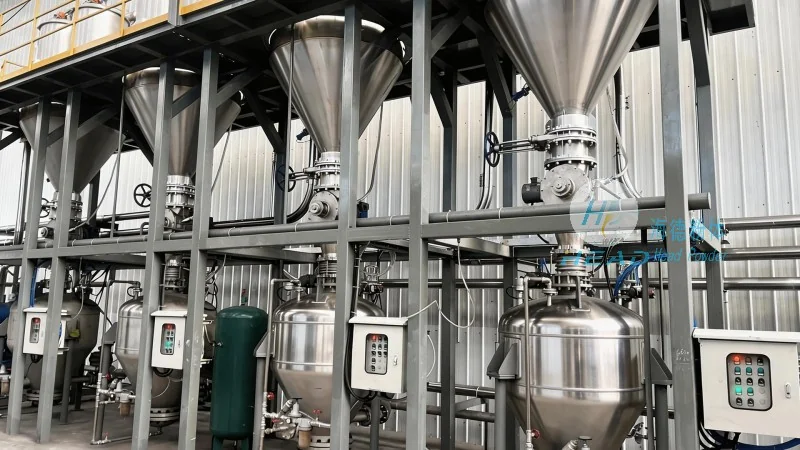
Application Scenarios and Industry Impact
Glucose pneumatic conveying systems are widely utilized in various industries, with a particular focus on the food and pharmaceutical sectors. In food processing, these systems are employed to transport glucose from storage silos to production lines, ensuring a continuous supply of raw material for manufacturing glucose-based products like syrups, sweeteners, and dietary supplements. The system’s ability to maintain product purity and prevent moisture absorption is essential in these applications. In the pharmaceutical industry, the system is used to handle glucose as an active ingredient or excipient, where strict quality control and hygiene standards are mandatory. The system’s low-dust operation and enclosed design help meet these requirements, ensuring that the final product is free from contaminants and meets regulatory standards. Additionally, the system is used in chemical and agricultural industries for transporting glucose or related products, where efficient and reliable material handling is critical for production continuity.
Company Profile: Shandong HeadPowder Engineering Co., Ltd.
Shandong HeadPowder Engineering Co., Ltd., commonly known as HeadPowder, is a leading manufacturer and supplier of advanced material handling solutions, including glucose pneumatic conveying systems. HeadPowder is headquartered in Shandong, China, and has established itself as a trusted partner for industries requiring high-quality, reliable, and efficient material transport systems. The company specializes in designing and manufacturing customized pneumatic conveying systems tailored to the specific needs of clients, ensuring optimal performance and compliance with industry standards. HeadPowder’s commitment to innovation and quality has enabled it to serve a wide range of industries, from food and pharmaceuticals to chemicals and agriculture. The company’s products are known for their durability, efficiency, and ease of maintenance, making them a preferred choice for businesses seeking to enhance their material handling capabilities. With a focus on customer satisfaction and technical excellence, HeadPowder continues to lead the way in the development of advanced material handling technologies.