With more than 10‑year industry experience, Shandong Headpowder delivers full‑service pneumatic‑conveying systems and blowers, undertaking nationwide turn‑key powder‑handling projects.
HeadPowder, a leading engineering firm based in Shandong, China, specializes in the design and implementation of pneumatic conveying systems tailored for cement dust applications. The fundamental principle of these systems involves the use of air to transport bulk materials like cement dust through a pipeline network, offering an efficient and reliable method for material handling in industrial settings. This approach not only enhances operational efficiency but also minimizes the risk of material contamination and environmental impact, making it a preferred choice for modern industrial operations.
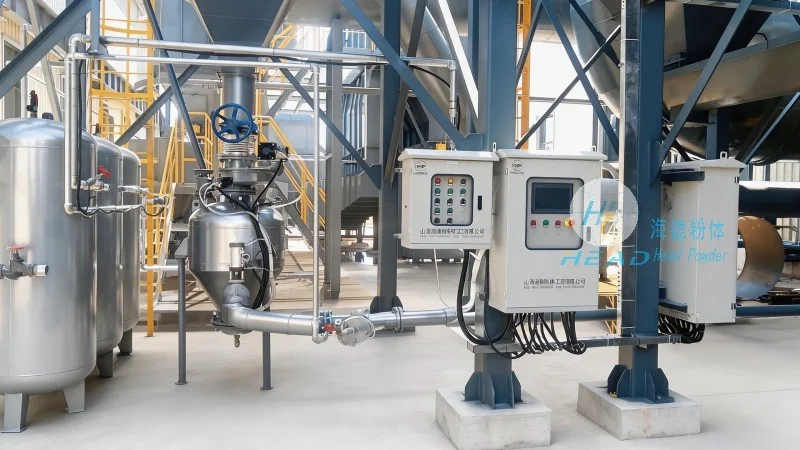
The operation of cement dust pneumatic conveying equipment is based on the principle of fluidization and suspension. When air is introduced into a pipeline at a velocity exceeding the material's terminal velocity, the cement dust particles become suspended in the air stream, forming a homogeneous mixture. This suspended state allows the material to be transported over long distances and through complex pipeline configurations without the need for mechanical components that can cause wear and tear or material degradation. The system typically operates under positive pressure, where the air pressure is maintained above atmospheric pressure throughout the pipeline, ensuring consistent material flow and preventing backflow.
A cement dust pneumatic conveying system comprises several essential components, each playing a critical role in the overall process. The air compressor is the primary power source, generating the necessary air pressure and flow rate to move the material. It is usually equipped with a control system to regulate pressure and flow, ensuring stable operation. The hopper or feed device is designed to hold the cement dust and feed it into the pipeline at a controlled rate, preventing blockages and ensuring consistent material supply. The pipeline network, often made of stainless steel or other corrosion-resistant materials, transports the material from the source to the destination. The receiver or discharge unit collects the material at the end of the pipeline, often equipped with a filtration system to separate the air from the material and return the air to the system or release it safely.
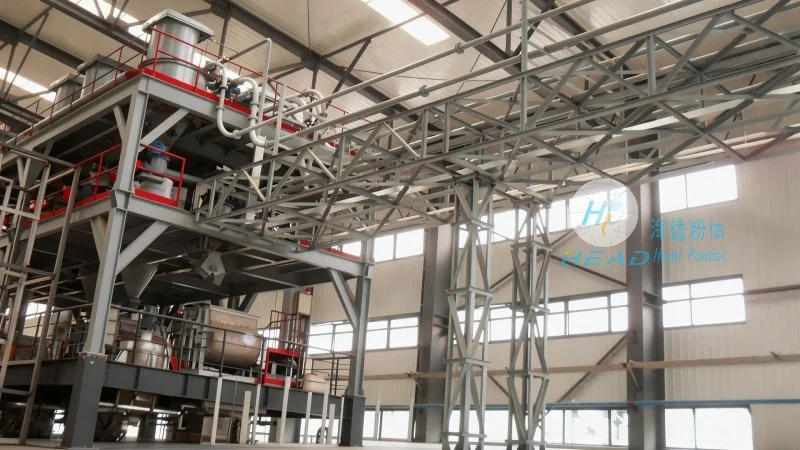
Compared to traditional mechanical conveying methods, pneumatic conveying offers several significant advantages for handling cement dust. One of the key benefits is the reduction in material degradation, as the lack of mechanical contact minimizes abrasion and breakage of the particles. This is particularly important for cement dust, which can be sensitive to handling and requires preservation of its quality for downstream processes. Another advantage is the enhanced safety features, as the system operates within a closed environment, reducing the risk of dust explosions and minimizing exposure to airborne particles for personnel. Additionally, the flexibility of pneumatic systems allows for easy integration into existing industrial layouts and the ability to handle varying material flow rates without significant modifications to the equipment. This adaptability makes them suitable for a wide range of applications, from small-scale operations to large industrial plants.
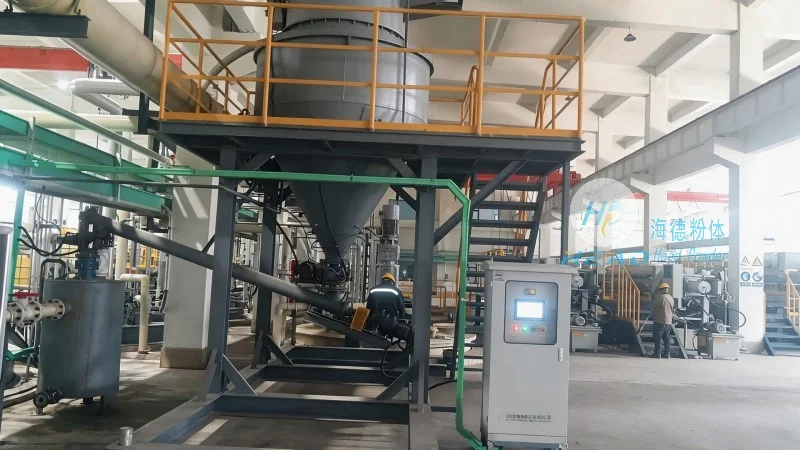
Cement dust pneumatic conveying systems are widely employed in various industrial sectors, including cement manufacturing, construction material storage, and industrial processing facilities. In cement production plants, these systems are used to transport raw materials like limestone and clinker, as well as finished cement products. In construction material storage facilities, they facilitate the movement of cement from storage silos to loading areas or processing units. The operational considerations for these systems include the selection of appropriate air velocities to prevent material deposition or blockage in the pipeline, as high velocities are required to maintain the suspended state of the material. Additionally, the maintenance of consistent air pressure is crucial to ensure reliable material transport, and the use of appropriate filtration systems is necessary to manage dust emissions and maintain air quality within the facility. Proper system design and regular maintenance are essential to maximize the efficiency and lifespan of the equipment.
HeadPowder Engineering Co., Ltd., with its headquarters in Shandong, China, is a trusted provider of pneumatic conveying solutions for cement dust applications. By leveraging advanced engineering principles and practical experience, the company designs and implements systems that meet the specific needs of industrial clients, ensuring reliable, efficient, and safe material handling. The company's expertise in the field, combined with its commitment to quality and customer satisfaction, makes it a leading choice for businesses seeking to optimize their cement dust handling processes. Through continuous innovation and adherence to industry standards, HeadPowder continues to deliver cutting-edge solutions that enhance operational performance and reduce costs for its clients.

 Shandong Headpowder Engineering Co., Ltd.
 156-6277-7102(Manager Zhang)
  0531-83386006
  Zhangqiu District, Jinan City, Shandong Province, China
telephone
WeChatconsult
top