With more than 10‑year industry experience, Shandong Headpowder delivers full‑service pneumatic‑conveying systems and blowers, undertaking nationwide turn‑key powder‑handling projects.
PPR (Polypropylene Resin) powder pneumatic conveying equipment is a specialized system designed to transport polypropylene resin powders efficiently and reliably. This equipment operates on the principle of air-based transport, utilizing compressed air to move the resin particles from a source to a destination. The system is engineered to handle the unique properties of polypropylene resin, ensuring minimal product degradation and consistent flow rates.
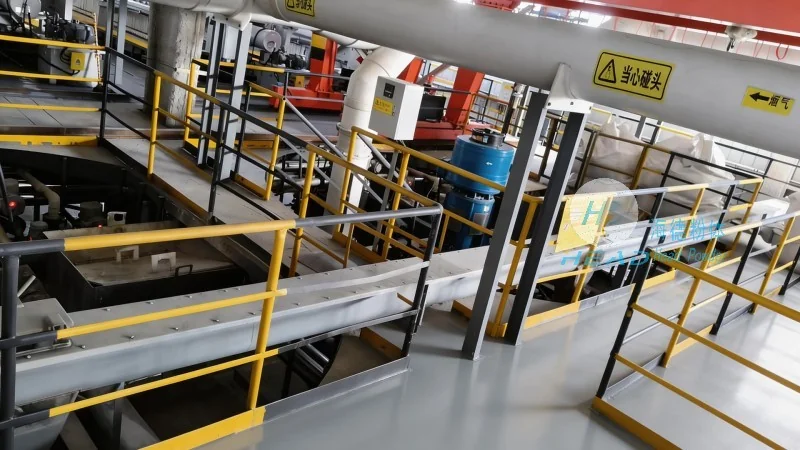
The pneumatic conveying system for PPR powders typically consists of several key components, each playing a critical role in the overall operation. The primary components include a hopper or storage tank for the resin powder, a blower or compressor to generate the necessary air pressure, a pipeline system to transport the material, and a receiver or discharge unit at the destination. The hopper is equipped with a feeder, often a rotary valve or a star valve, which controls the flow of resin into the pipeline. As the feeder opens, the resin particles are drawn into the pipeline by the moving air stream.
The blower or compressor provides the motive force, creating a pressure differential that propels the resin particles through the pipeline. The air velocity within the pipeline is carefully controlled to ensure that the particles remain suspended and are conveyed without clogging or degradation. The pipeline design, including its diameter and length, is optimized to maintain the appropriate air-to-solid ratio, which is crucial for efficient and stable transport. The receiver at the end of the pipeline collects the conveyed resin, and a discharge valve or outlet allows the material to be released into the next processing stage.
Implementing a pneumatic conveying system for PPR powders offers several significant advantages over traditional bulk material handling methods. One of the most notable benefits is the ability to maintain a closed system, which helps prevent dust contamination and product exposure to the environment. This is particularly important for polypropylene resin, as it can be sensitive to moisture and contaminants that may affect its quality and performance in subsequent applications.
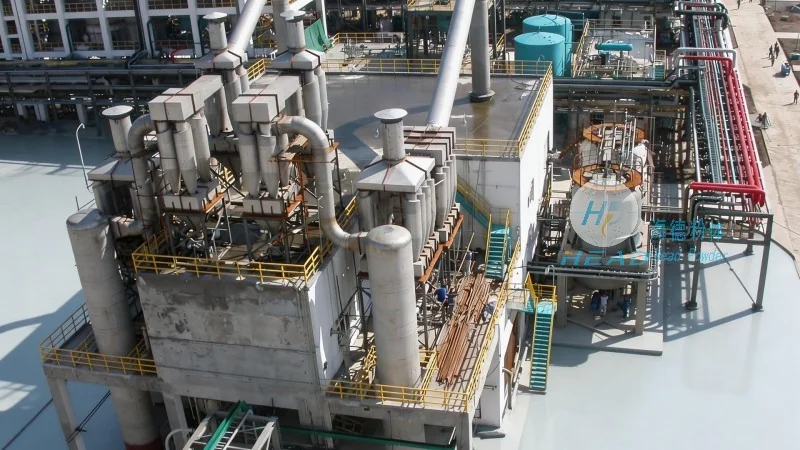
Another key advantage is the reduction in material handling time and labor costs. Pneumatic conveying allows for continuous, automated transport of large quantities of resin, eliminating the need for manual loading and unloading. This not only increases operational efficiency but also improves workplace safety by minimizing human interaction with the material. The system also reduces the risk of product spillage and loss, as the enclosed pipeline prevents material from being scattered during transport.
Furthermore, pneumatic conveying systems are highly flexible and can be easily integrated into existing production lines. They can be configured to handle varying flow rates and particle sizes, making them suitable for a wide range of applications in the plastics industry. The ability to transport PPR resin over long distances without the need for intermediate storage or handling points enhances the overall logistical efficiency of the production process.
PPR powder pneumatic conveying equipment is widely used in various applications within the plastics manufacturing sector. These systems are commonly employed in the production of polypropylene pellets, where the resin powder is conveyed from storage to processing units such as extruders or mixers. The consistent and reliable transport of PPR resin ensures that the production line operates smoothly, with minimal downtime due to material shortages or handling issues.
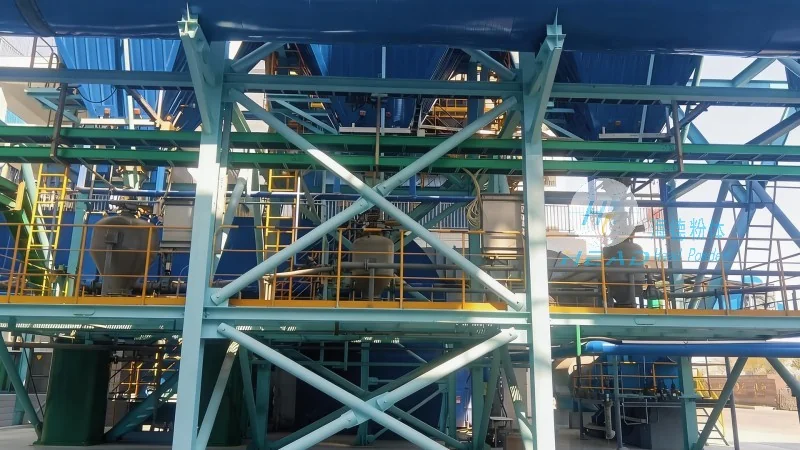
In addition, the equipment is used in the manufacturing of polypropylene compounds and blends, where different resin grades or additives are combined and conveyed to mixing equipment. The ability to handle various particle sizes and flow rates makes the pneumatic conveying system ideal for these applications, as it can accommodate different material characteristics without compromising performance.
Other applications include the transport of PPR resin in recycling facilities, where post-consumer or post-industrial resin is processed and conveyed to reprocessing units. The closed system and efficient transport capabilities of the pneumatic conveying equipment help maintain the quality of the recycled material, ensuring that it meets the required specifications for reuse in new products.
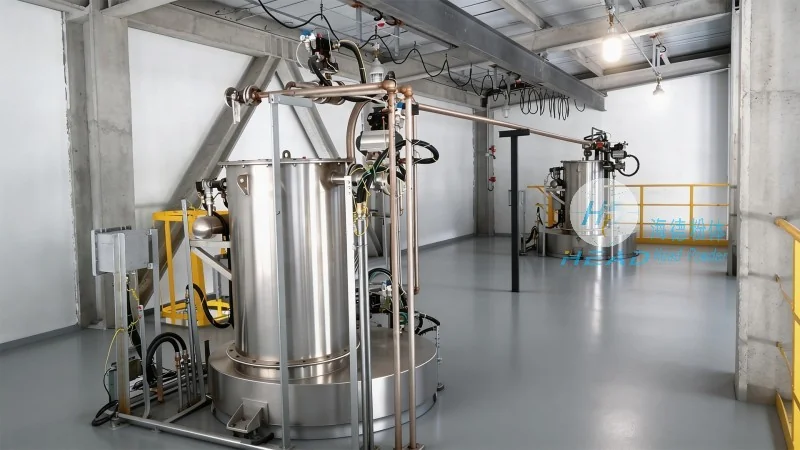
When designing and installing a PPR powder pneumatic conveying system, several factors must be carefully considered to ensure optimal performance and longevity. The first consideration is the particle size and density of the polypropylene resin, as these properties directly impact the air velocity and pressure required for effective transport. Larger or denser particles may require higher air velocities and more powerful blowers to maintain suspension and prevent clogging.
Another critical factor is the system's layout and the distance between the source and destination. The pipeline length and elevation changes must be accounted for in the design, as these can affect the pressure drop and energy consumption of the system. Proper pipeline sizing and the use of appropriate fittings and valves are essential to minimize pressure losses and ensure smooth flow.
Material selection for the pipeline and components is also important. The materials must be resistant to the chemical properties of the PPR resin and any potential additives or contaminants. Stainless steel or specialized plastic materials are commonly used for the pipeline and fittings to prevent corrosion and ensure durability. Additionally, the system should be equipped with appropriate safety features, such as pressure relief valves and dust collection systems, to protect against overpressure and dust emissions.

 Shandong Headpowder Engineering Co., Ltd.
 156-6277-7102(Manager Zhang)
  0531-83386006
  Zhangqiu District, Jinan City, Shandong Province, China
telephone
WeChatconsult
top