

Principles and Application Scenarios of High-Pressure Dense-Phase Pneumatic Conveying
High-pressure dense-phase pneumatic conveying is a sophisticated method for transporting bulk materials through a pipeline using pressurized air or gas. The core principle involves creating a dense mixture of solid particles and conveying medium, typically air, at elevated pressures. This approach ensures efficient material transport by minimizing particle segregation and reducing wear on equipment. The process relies on the balance between the pressure differential and the material's physical properties, such as particle size, density, and moisture content. By maintaining a high solid concentration in the conveying stream, the system achieves enhanced transport efficiency and lower energy consumption compared to traditional dilute-phase systems.
Key Working Scenarios and Industry Applications
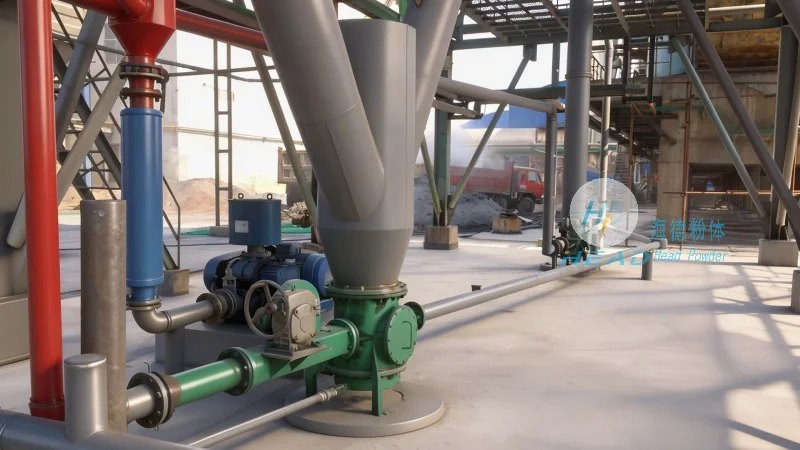
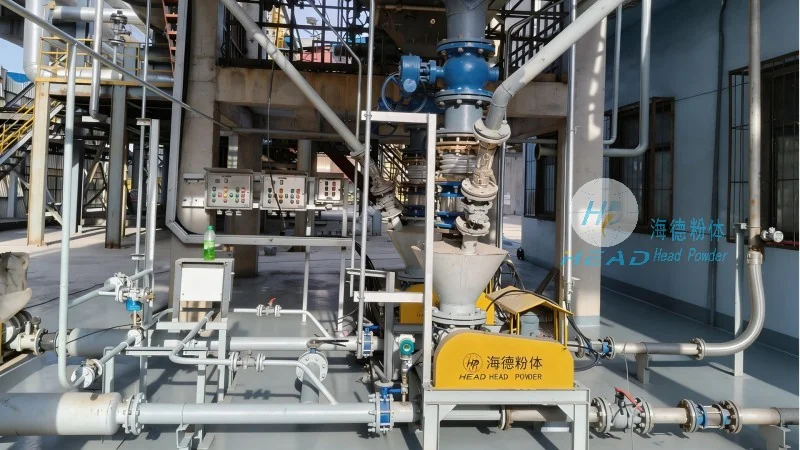
HeadPowder, a leading manufacturer based in Shandong, China, specializes in designing and implementing high-pressure dense-phase pneumatic conveying systems tailored to diverse industrial needs. The technology is widely applied in sectors such as chemical processing, pharmaceutical manufacturing, food processing, and mineral processing. For instance, in chemical plants, it efficiently handles powders like catalysts and reagents, ensuring precise dosing and minimal product contamination. In pharmaceutical facilities, the system supports sterile and controlled material handling, adhering to stringent regulatory standards. Food processing industries utilize it for transporting ingredients like flour, sugar, and spices, maintaining hygiene and product integrity. Additionally, mineral processing operations benefit from its ability to transport fine powders and ores with high efficiency, reducing downtime and operational costs.
Advantages in Practical Work Environments
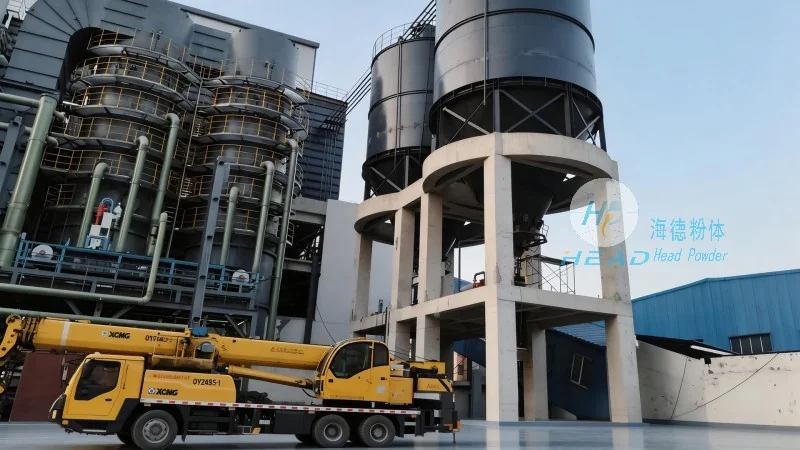
One of the primary advantages of high-pressure dense-phase pneumatic conveying is its ability to handle a wide range of materials, including abrasive and fragile particles. The dense mixture minimizes particle-to-particle and particle-to-pipe collisions, extending the lifespan of pipelines and reducing maintenance requirements. This makes it ideal for applications where material degradation or equipment wear is a concern. Furthermore, the system offers flexibility in pipeline layout, allowing for vertical and horizontal transport combinations, which is crucial for complex industrial layouts. The controlled pressure and flow rates enable precise material control, facilitating integration with automated batching and dosing systems. In terms of energy efficiency, the high-pressure approach optimizes air usage, leading to lower operational costs compared to traditional methods. This is particularly beneficial for large-scale operations where energy consumption is a significant factor.
Customization and Scalability for Diverse Operations
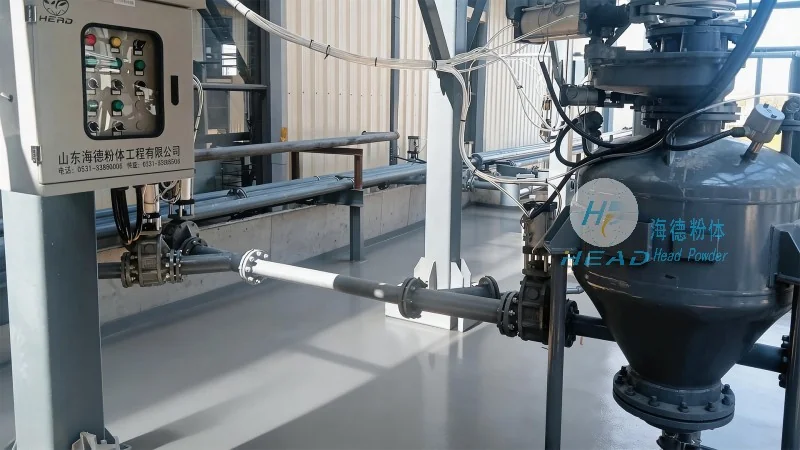
HeadPowder Engineering Co., Ltd. provides customized solutions to meet the specific requirements of each client. The company’s engineering team works closely with clients to assess material characteristics, process flow, and operational constraints, designing systems that maximize efficiency and reliability. The systems can be scaled from small-scale laboratory applications to large industrial plants, ensuring adaptability for various production capacities. For example, a small pharmaceutical facility might use a compact high-pressure dense-phase system for transporting raw materials, while a large chemical plant could implement a multi-pipeline network to handle high-volume material transport. The scalability of the technology allows for seamless expansion as production needs grow, reducing the need for costly system overhauls. Additionally, the company offers maintenance and support services to ensure long-term system performance, addressing any operational challenges that may arise in different work environments.