

What is a Flavoring Powder Pneumatic Conveying Machine? And What Are Its Design Principles?
Flavoring powder pneumatic conveying machines are specialized equipment used in the food and beverage industry to transport dry powders, such as flavorings, spices, and other fine particles. These machines utilize air pressure or vacuum to move powders from one location to another, offering a clean, efficient, and hygienic method of material handling. As a key component in processing facilities, understanding the design principles behind these machines is crucial for optimizing production processes and ensuring product quality. Shandong HeadPowder Engineering Co., Ltd., a leading manufacturer based in China, specializes in designing and manufacturing high-quality pneumatic conveying systems tailored to the needs of the flavoring industry.
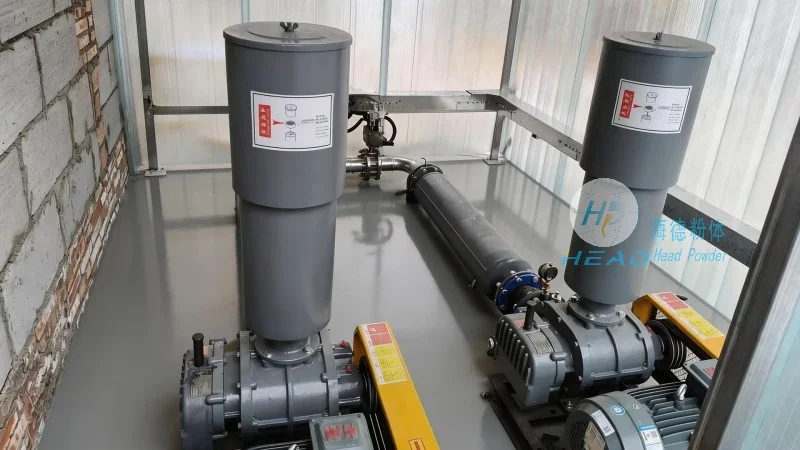
Key Components of Pneumatic Conveying Systems
The core components of a flavoring powder pneumatic conveying machine typically include a hopper for material storage, a conveyor line (either positive or negative pressure), a filter system to capture dust and particles, and a control panel for operation. The hopper is designed to hold the flavoring powder securely, with a discharge valve to regulate the flow of material into the conveyor. The conveyor line can operate under positive pressure, where air pushes the powder through the system, or under negative pressure, where air is drawn through the system to pull the powder. The filter system is essential for maintaining air quality and preventing contamination, as flavoring powders are often sensitive to moisture and other environmental factors. The control panel allows operators to adjust parameters such as air pressure, flow rate, and conveyor speed, ensuring precise control over the material handling process.
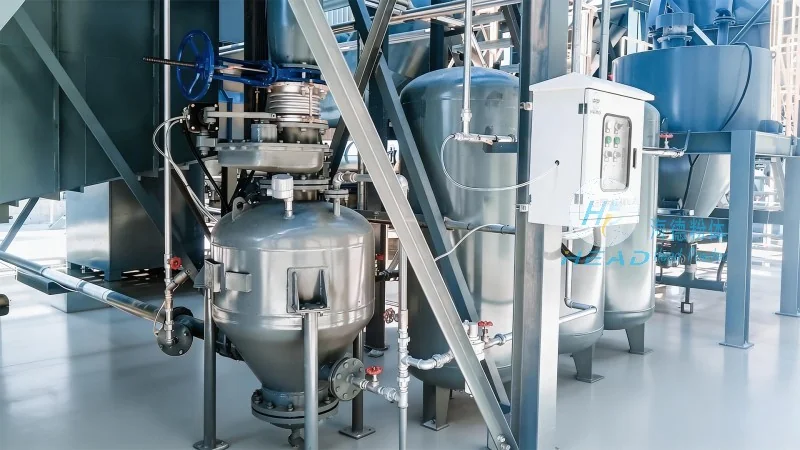
Design Principles for Efficient Material Transport
The design of a flavoring powder pneumatic conveying machine focuses on several key principles to ensure efficient and reliable operation. First, the system must maintain a consistent air flow to prevent clogging and ensure smooth material transport. This is achieved through the use of appropriate air ducts, valves, and filters that minimize resistance and maintain optimal pressure levels. Second, the machine is designed to handle fine powders without causing segregation or agglomeration, which can affect product quality. The conveyor line is often equipped with features such as bends and elbows that are carefully engineered to minimize particle breakage and maintain the uniformity of the powder. Third, the system is built with hygiene and safety in mind, using materials that are easy to clean and resistant to corrosion. This is particularly important in the food industry, where compliance with regulatory standards is essential. The design also considers energy efficiency, with components that minimize power consumption while maintaining performance.
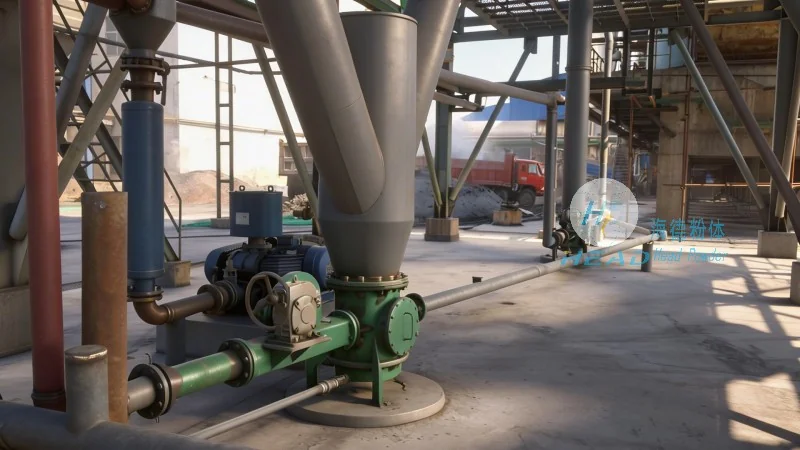
Applications in the Flavoring Industry
Flavoring powder pneumatic conveying machines are widely used in the flavoring industry for various applications, including the transport of natural and artificial flavorings, spices, and other dry ingredients. These machines are commonly employed in production lines where flavoring powders need to be moved from storage silos to mixing tanks, or from processing equipment to packaging lines. The ability to handle fine powders without the need for manual handling reduces the risk of contamination and improves operational efficiency. For example, in a spice processing plant, a pneumatic conveying system can transport ground spices from a grinding machine to a storage silo, ensuring a continuous and clean flow of materials. Similarly, in a flavoring manufacturing facility, the machine can move flavoring powders from a mixing tank to a packaging machine, facilitating the production of various flavor products.
Advantages of Pneumatic Conveying Over Traditional Methods
Compared to traditional material handling methods, such as belt conveyors or manual handling, flavoring powder pneumatic conveying machines offer several advantages. First, they provide a closed system that prevents contamination from external sources, ensuring the purity of the flavoring powders. This is critical in the food industry, where product safety is a top priority. Second, the system is more hygienic and easier to clean, as there are no moving parts that can trap dust or particles. The closed design also reduces the risk of dust emissions, improving workplace safety and compliance with environmental regulations. Third, pneumatic conveying systems are more flexible and can be easily integrated into existing production lines. They can be reconfigured to handle different types of powders or to adjust to changes in production volume. Fourth, the system is more energy-efficient than traditional methods, as it uses less power to transport materials over short distances. This results in lower operating costs and reduced environmental impact.
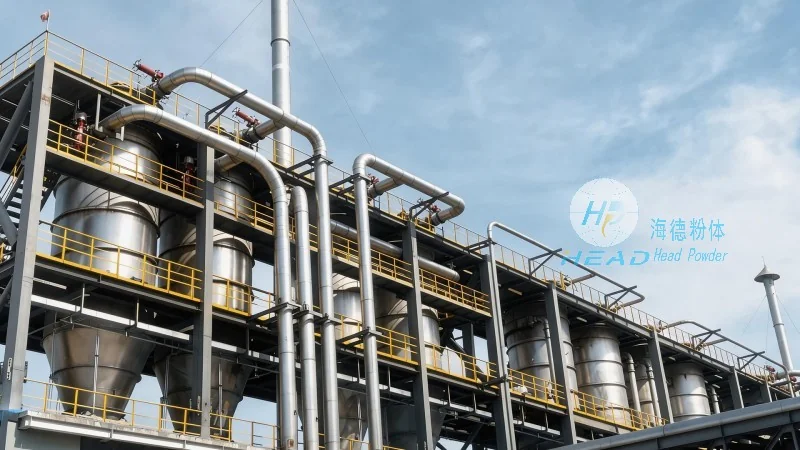
Maintenance and Operational Considerations
Proper maintenance and operational considerations are essential to ensure the long-term performance and reliability of a flavoring powder pneumatic conveying machine. Regular maintenance tasks include cleaning the hopper and conveyor line to prevent buildup of powder, inspecting the filter system to ensure it is functioning properly, and checking the air pressure and flow rate to maintain optimal performance. The filter system is particularly important, as a clogged filter can reduce air flow and cause the system to operate inefficiently. Operators should also monitor the system for any signs of wear and tear, such as leaks or damaged components, and replace them as needed. Additionally, the system should be operated within the recommended parameters to avoid overloading or damaging the equipment. Following the manufacturer's guidelines for maintenance and operation will help ensure the machine operates at peak efficiency and provides consistent performance over time.