With more than 10‑year industry experience, Shandong Headpowder delivers full‑service pneumatic‑conveying systems and blowers, undertaking nationwide turn‑key powder‑handling projects.
Carbon powder pneumatic conveying is a critical technology in material handling, particularly for handling fine powders like carbon powder. This method utilizes air as the conveying medium to transport particles through a pipeline system. The process involves creating a pressure differential or using vacuum to move the powder, making it an efficient solution for industries dealing with carbon-based materials. Understanding the working principles and classification of these systems is essential for selecting the right equipment for specific applications.
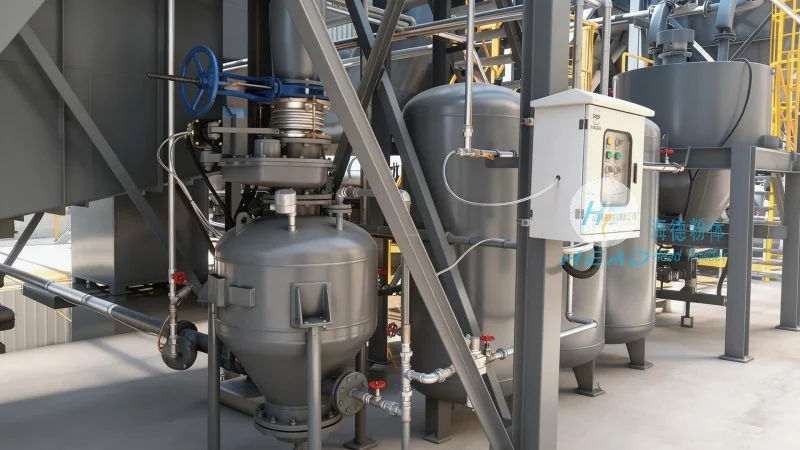
The core principle of carbon powder pneumatic conveying is the use of air to transport solid particles. There are two main types of systems based on the pressure used: positive pressure and negative pressure (or vacuum) systems. In positive pressure systems, compressed air is used to push the powder through the pipeline. The air is introduced at the inlet, creating a high-pressure environment that propels the particles forward. This method is suitable for long-distance and high-capacity conveying. Negative pressure systems, on the other hand, use a vacuum at the receiving end to draw the powder into the pipeline. The air is drawn through the system, and the powder is entrained by the air flow. This approach is often used for short-distance or when the material needs to be transported from a lower elevation to a higher one.
Within these main categories, there are further subtypes. For instance, in positive pressure systems, there are dilute phase and dense phase conveying. Dilute phase systems operate at higher velocities, typically with air velocities above the minimum fluidization velocity of the powder, leading to a low concentration of particles in the air stream. Dense phase systems, conversely, operate at lower velocities, resulting in a higher concentration of particles, which can reduce particle degradation and improve system efficiency. The choice between dilute and dense phase depends on the characteristics of the carbon powder, such as particle size, moisture content, and abrasiveness.
Carbon powder pneumatic conveying systems can be classified based on several factors, including the pressure type, the method of air introduction, and the system configuration. The primary classifications are positive pressure, negative pressure, and hybrid systems. Positive pressure systems are commonly used in industrial settings due to their ability to handle high volumes and long distances. They are often equipped with air compressors and are suitable for applications where the powder needs to be transported from a central location to multiple destinations. Negative pressure systems are ideal for applications where the powder is generated at a specific point and needs to be collected and transported to a central processing unit. Hybrid systems combine elements of both positive and negative pressure, offering flexibility in handling different powder characteristics and system requirements.
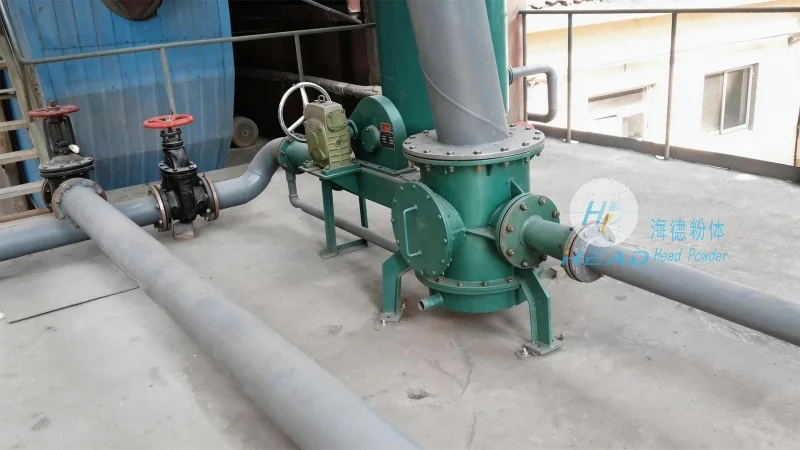
Another classification is based on the type of air flow. In a single-stage system, air is introduced at the inlet and flows continuously through the entire pipeline. This is common in dilute phase systems. In a two-stage system, air is introduced at the inlet and then separated from the powder at a later stage, often using a cyclone separator or a filter. The separated air is then recirculated back into the system. This approach is used in dense phase systems to improve efficiency and reduce energy consumption. The choice of system type depends on the specific needs of the application, including the distance, capacity, and the physical properties of the carbon powder.
Carbon powder pneumatic conveying is widely used in various industries that handle carbon-based materials. One of the primary applications is in the production of carbon black, where carbon powder needs to be transported from storage silos to processing equipment. The system ensures that the powder is moved efficiently without degradation, which is crucial for maintaining product quality. In the battery industry, carbon powder is used as an electrode material, and pneumatic conveying systems are used to transport it from raw material storage to the mixing and processing stages. This method helps maintain the particle size distribution and prevents agglomeration, which can affect battery performance.
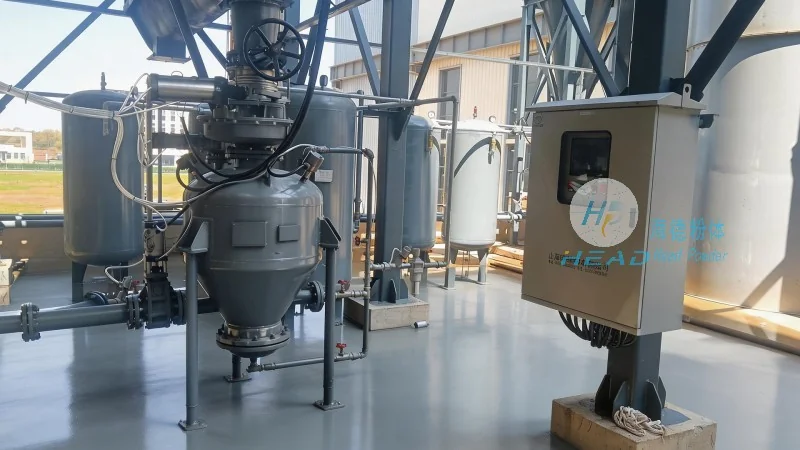
In the chemical industry, carbon powder is used in various processes, and pneumatic conveying systems are used to transport it between reactors and storage tanks. The systems are designed to handle the specific chemical properties of the powder, such as moisture content and reactivity. In the pharmaceutical industry, carbon powder is used as an excipient or in drug formulations, and the conveying system must meet stringent quality and hygiene standards. The use of positive pressure systems with enclosed pipelines ensures that the powder is handled in a controlled environment, reducing contamination and ensuring product safety.
Carbon powder pneumatic conveying offers several advantages over traditional methods like belt conveyors or bucket elevators. One of the main benefits is the ability to handle fine powders without the need for mechanical contact, which reduces particle degradation and agglomeration. This is particularly important for carbon powder, which can be sensitive to mechanical stress. The system also allows for the transportation of materials in a closed environment, which helps in controlling dust and preventing environmental contamination. Additionally, pneumatic conveying systems can be designed to handle high volumes and long distances, making them suitable for large-scale industrial applications.
However, there are also considerations to keep in mind when implementing carbon powder pneumatic conveying systems. The system requires proper design to ensure that the air velocity is sufficient to entrain the powder without causing excessive wear on the pipeline or equipment. The selection of the right air compressor and pipeline materials is critical to prevent corrosion or abrasion. Additionally, the system must be equipped with proper filtration and dust collection to comply with environmental regulations. The cost of the system, including the initial investment and ongoing maintenance, should also be considered, as it can vary significantly depending on the system type and application requirements.

 Shandong Headpowder Engineering Co., Ltd.
 156-6277-7102(Manager Zhang)
  0531-83386006
  Zhangqiu District, Jinan City, Shandong Province, China
telephone
WeChatconsult
top