

What is a Magnesia Powder Pneumatic Conveying System? And What Are Its Design Principles?
Understanding the magnesia powder pneumatic conveying system is crucial for industries dealing with high-purity magnesium oxide powders. This technology enables the efficient and safe transport of fine powders like magnesia over long distances, ensuring minimal product loss and contamination. The system's design principles are tailored to handle the unique properties of magnesia, such as its reactivity and dust sensitivity, making it an essential solution for material handling in various industrial applications.
Company Introduction: HeadPowder
HeadPowder, or Shandong HeadPowder Engineering Co., Ltd., is a leading provider of specialized material handling solutions, including pneumatic conveying systems for magnesia and other fine powders. With a strong presence in China, particularly in Shandong, the company leverages advanced engineering and manufacturing capabilities to deliver high-quality equipment that meets the stringent requirements of the refractory and chemical industries. HeadPowder's expertise lies in designing systems that optimize the performance of magnesia powder transport, ensuring reliability, efficiency, and compliance with industry standards.
What is a Magnesia Powder Pneumatic Conveying System?
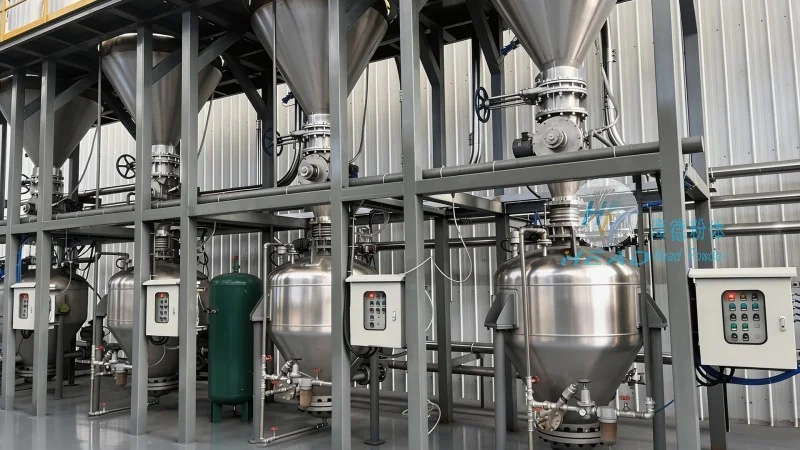
A magnesia powder pneumatic conveying system is a closed-loop or open-loop system that uses compressed air or other gas to transport fine magnesium oxide powders from a source to a destination. Unlike traditional mechanical conveyors, this system eliminates the need for moving parts in the powder path, reducing maintenance and minimizing the risk of product contamination. The system typically consists of a hopper, a rotary valve, a conveying line, and a receiver, all working in tandem to ensure smooth and continuous material flow. For magnesia, which is a high-value, reactive powder, the system's design must prioritize dust control, pressure management, and material integrity to preserve the powder's quality and usability.
Key Design Principles of the System
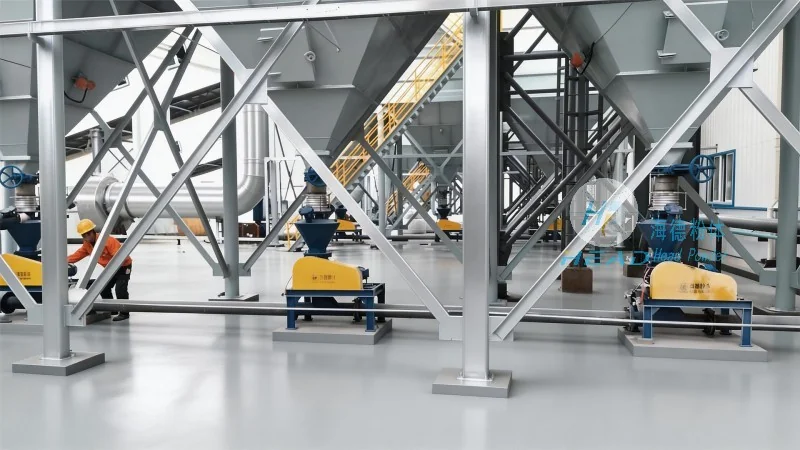
The design of a magnesia powder pneumatic conveying system is guided by several critical principles to ensure optimal performance and safety. First, the system must maintain a consistent air-to-powder ratio to achieve efficient transport without excessive energy consumption. This ratio is carefully calculated based on the powder's bulk density, particle size, and flow characteristics. Second, the conveying line is designed with smooth, corrosion-resistant materials to prevent the buildup of magnesia particles and ensure long-term durability. The use of stainless steel or specialized coatings is common to handle the chemical properties of magnesia and prevent degradation over time. Third, the system incorporates advanced control mechanisms, such as pressure sensors and flow meters, to monitor and adjust the conveying process in real-time. These controls help maintain stable operation, prevent overloading, and protect the equipment from damage due to excessive pressure or flow rates. Fourth, dust suppression and filtration are integral components of the design. Magnesia is a fine powder that can easily generate dust, which poses health and safety risks. The system includes cyclone separators and bag filters to capture and collect the powder, ensuring that the environment remains clean and safe for operators. Additionally, the system is designed to minimize product loss and segregation, which is vital for maintaining the uniformity of magnesia batches used in refractory production.
Components and Their Functions
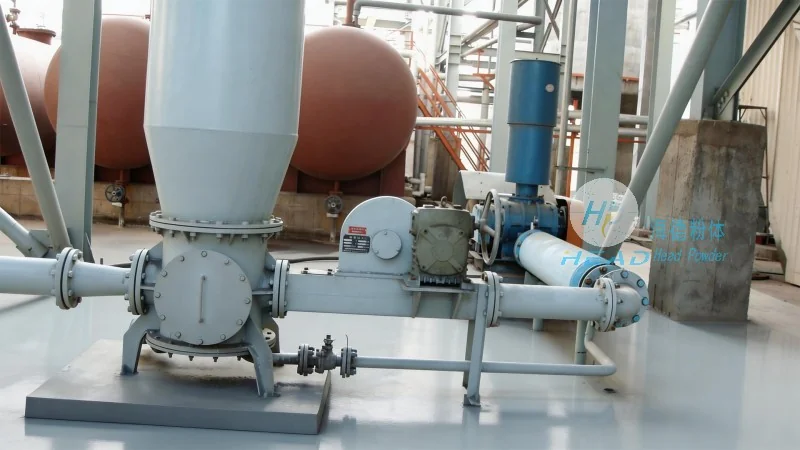
The magnesia powder pneumatic conveying system comprises several key components, each playing a vital role in the overall operation. The hopper serves as the storage vessel for the magnesia powder, providing a controlled environment to prevent moisture absorption and agglomeration. It is equipped with a discharge valve, typically a rotary valve, which regulates the flow of powder into the conveying line. The rotary valve ensures a consistent and controlled feed rate, preventing surges or blockages that could disrupt the system. The conveying line, made of high-quality materials like stainless steel or PTFE-coated pipes, transports the powder and air mixture from the hopper to the receiver. The line's diameter and length are optimized based on the required conveying distance and the powder's characteristics. The receiver, or destination vessel, collects the transported magnesia powder and may include additional storage or processing equipment. It is designed to handle the pressure and flow of the conveying system, ensuring that the powder is deposited smoothly without causing spillage or contamination. The system also includes a blower or compressor that generates the necessary air pressure to move the powder. The choice of air source depends on the system's capacity and the specific requirements of the magnesia powder. For high-capacity systems, a positive displacement blower is often used, while smaller systems may employ a centrifugal fan. The blower is connected to the conveying line via a filter to prevent dust from entering the air system and damaging the equipment.
Advantages of Using a Magnesia Powder Pneumatic Conveying System
Implementing a magnesia powder pneumatic conveying system offers numerous advantages over traditional material handling methods. One of the primary benefits is the elimination of mechanical contact with the powder, which reduces the risk of contamination and product degradation. Magnesia is a high-purity material used in refractory applications, and any contamination can significantly impact its performance. The closed-loop design of the system ensures that the powder remains within a controlled environment, minimizing exposure to external factors such as moisture and air. Another advantage is the ability to transport magnesia over long distances without the need for intermediate storage or handling points. This reduces the overall footprint of the material handling system and improves operational efficiency. The system also allows for flexible routing, enabling the powder to be directed to multiple destinations from a single source. This flexibility is particularly valuable in industrial settings where space is limited or where multiple processing lines are in operation. Additionally, the pneumatic conveying system is more energy-efficient compared to mechanical conveyors, especially for fine powders like magnesia. The air pressure required to transport the powder is relatively low, and the system's design minimizes energy losses, resulting in lower operational costs over time. Finally, the system is highly scalable, allowing it to be customized to meet the specific needs of different production capacities and applications. Whether for small-scale laboratory use or large-scale industrial production, the system can be adjusted to handle varying volumes of magnesia powder, making it a versatile solution for various industries.
Applications in the Refractory and Chemical Industries
The magnesia powder pneumatic conveying system finds extensive applications in the refractory and chemical industries, where high-purity magnesia is a critical raw material. In the refractory industry, magnesia is used to produce refractory bricks, linings, and other components for high-temperature applications, such as steel furnaces and glass manufacturing. The system efficiently transports magnesia from storage to production lines, ensuring that the material is delivered in a consistent and uncontaminated state. This is crucial for maintaining the quality of refractory products, as even small variations in magnesia composition can affect the performance and lifespan of the refractory components. In the chemical industry, magnesia is used in the production of magnesium compounds, such as magnesium hydroxide and magnesium carbonate. The pneumatic conveying system is used to transport magnesia from raw material storage to processing equipment, where it is reacted with other chemicals to form the desired products. The system's ability to handle fine powders and maintain product purity is essential for producing high-quality chemical products. Additionally, the system is used in research and development laboratories to transport small quantities of magnesia for testing and analysis. The precision and control offered by the pneumatic conveying system make it ideal for laboratory applications, where accuracy and reproducibility are paramount.