With more than 10‑year industry experience, Shandong Headpowder delivers full‑service pneumatic‑conveying systems and blowers, undertaking nationwide turn‑key powder‑handling projects.
HeadPowder, a leading manufacturer based in Shandong, China, specializes in the design and production of advanced pneumatic conveying systems tailored for handling PVB (polyvinyl butyral) materials. This article delves into the working principle and key features of our PVB material pneumatic conveying equipment, highlighting its efficiency, reliability, and adaptability for industrial applications.
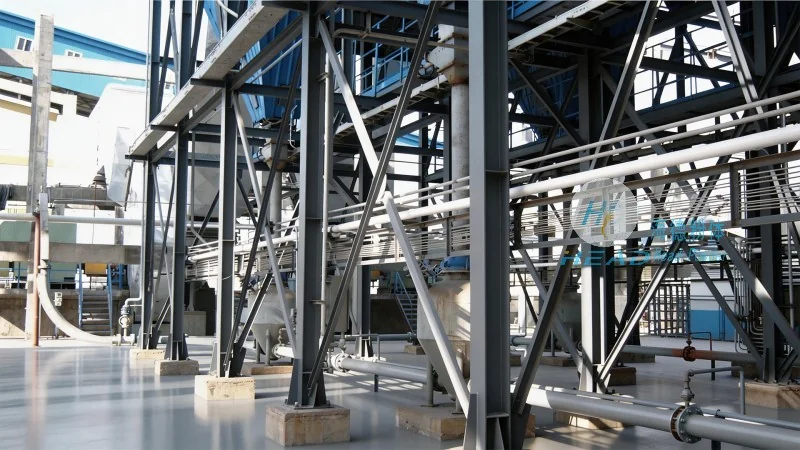
PVB is a versatile polymer widely used in the automotive, construction, and optical industries due to its excellent bonding properties and resistance to moisture. Handling PVB materials efficiently requires specialized equipment that can maintain material integrity while ensuring safe and effective transport. The PVB material pneumatic conveying equipment from HeadPowder is engineered to address these challenges, offering a solution that combines precision, durability, and user-friendly operation.
The core of the PVB material pneumatic conveying system is the pneumatic transport mechanism, which utilizes air or gas to move materials through a pipeline network. The process typically involves several key components: a material feed hopper, a rotary valve or feeder, a conveying line, and a receiver or discharge unit. Here’s a step-by-step breakdown of how the system operates:
1. Material Loading: PVB material is loaded into the feed hopper, which is equipped with a level indicator to monitor the material volume. The hopper may also include a pre-drying or conditioning section to ensure the material is in optimal condition for transport.
2. Feeding and Metering: A rotary valve or screw feeder controls the flow of PVB material from the hopper into the conveying line. This component ensures a consistent and controlled feed rate, preventing overloading or underfeeding that could affect system performance.
3. Air Injection and Conveying: Compressed air or gas is introduced into the conveying line at a controlled pressure and flow rate. The air creates a low-pressure zone that draws the PVB material particles into the pipeline, forming a dense or dilute phase flow depending on the system design. The velocity of the air is carefully managed to prevent material degradation or blockages.
4. Transport and Delivery: The PVB material is transported through the pipeline to the discharge point, where it is collected in a receiver or storage bin. The system may include a cyclone separator or filter to remove any air or fine particles before the material is discharged.
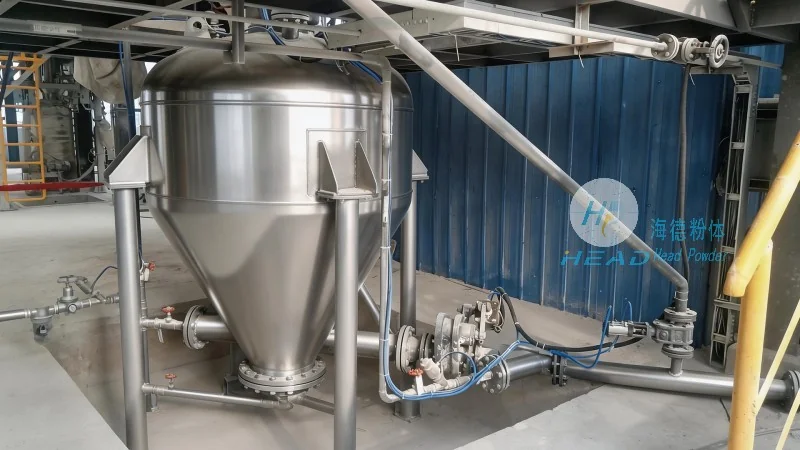
5. Air Recovery and Filtration: The exhaust air from the system is typically filtered to remove any PVB particles or dust, and then either vented to the atmosphere or recycled back into the system to improve energy efficiency. This step ensures compliance with environmental regulations and maintains system cleanliness.
The PVB material pneumatic conveying equipment from HeadPowder incorporates several advanced features that enhance its performance and usability:
1. Customizable System Design: Each system is tailored to the specific requirements of the customer, including material characteristics, flow rates, and distance of transport. This customization ensures optimal performance and cost-effectiveness.
2. High Efficiency and Low Energy Consumption: The system is engineered to minimize energy usage while maintaining high conveying rates. Advanced air control systems and efficient pipeline designs contribute to lower operational costs.
3. Durable Construction: The equipment is constructed from high-quality materials, such as stainless steel or corrosion-resistant alloys, to withstand the abrasive nature of PVB materials and the effects of moisture and chemicals.
4. Easy Maintenance and Operation: The design includes accessible components and user-friendly controls, allowing for quick maintenance and minimal downtime. The system may also include automated monitoring and alarm systems to detect and address issues promptly.
5. Environmental Compliance: The equipment is designed to meet or exceed environmental regulations regarding air emissions and material handling. The filtration and air recovery systems help minimize the environmental impact of the operation.
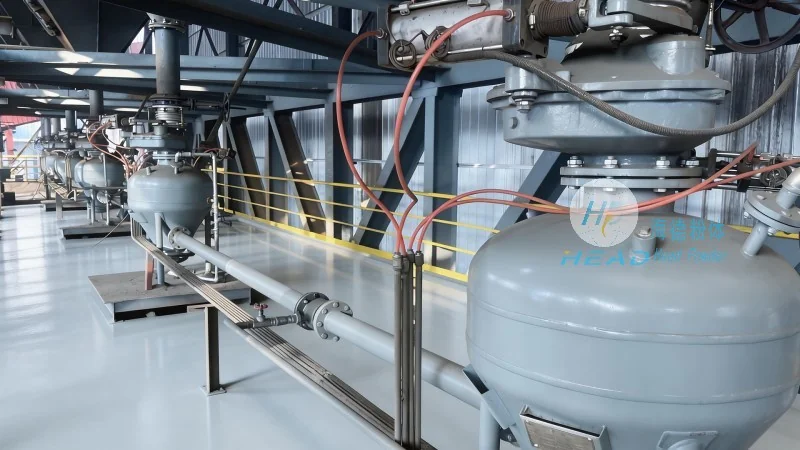
The PVB material pneumatic conveying equipment is suitable for a wide range of industrial applications, including:
• Automotive parts manufacturing, where PVB is used for bonding and coating
• Construction materials processing, such as PVB-based adhesives and sealants
• Optical industry applications, including PVB film for safety glass
By using this equipment, manufacturers can achieve improved productivity, reduced labor costs, and enhanced product quality. The system’s ability to maintain material integrity and prevent contamination makes it an ideal choice for applications where precision and consistency are critical.
HeadPowder’s PVB material pneumatic conveying equipment represents a reliable and efficient solution for handling PVB materials in industrial settings. With its advanced working principle and comprehensive features, the system offers significant benefits in terms of performance, durability, and environmental compliance. For companies seeking to optimize their material handling processes, this equipment is a valuable investment that can enhance operational efficiency and product quality.

 Shandong Headpowder Engineering Co., Ltd.
 156-6277-7102(Manager Zhang)
  0531-83386006
  Zhangqiu District, Jinan City, Shandong Province, China
telephone
WeChatconsult
top