With more than 10‑year industry experience, Shandong Headpowder delivers full‑service pneumatic‑conveying systems and blowers, undertaking nationwide turn‑key powder‑handling projects.
Polymers have become a pivotal technology in contemporary environmental management, especially in the realm of denitrification. This article delves into the fundamental principles underlying polymer-based denitrification systems and examines the distinct operational scenarios where these systems demonstrate superior performance. By elucidating the core mechanisms and practical applications, industries can better harness this technology to comply with stringent emission regulations.
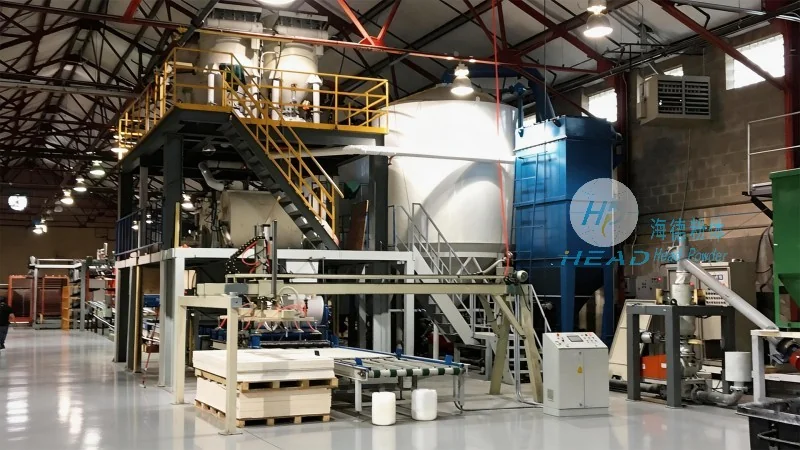
Shandong HeadPowder Engineering Co., Ltd., commonly referred to as HeadPowder, is a leading enterprise specializing in advanced polymer solutions for environmental applications. The company is dedicated to innovation and quality, focusing on the development and manufacturing of polymer-based systems that address complex air pollution challenges. HeadPowder’s headquarters is situated in Shandong, China, where the company maintains a robust commitment to research, development, and customer support.
Polymer denitrification systems function by adsorbing and reducing nitrogen oxides (NOx) from flue gases. The core mechanism relies on specialized polymer resins that exhibit high affinity for NOx molecules. These resins are typically activated through a combination of chemical and physical processes, enabling efficient capture of NOx. The system often incorporates a regeneration step, where the polymer is restored to its active state, allowing for continuous operation. This approach not only enhances NOx removal efficiency but also reduces overall operational costs compared to conventional methods.
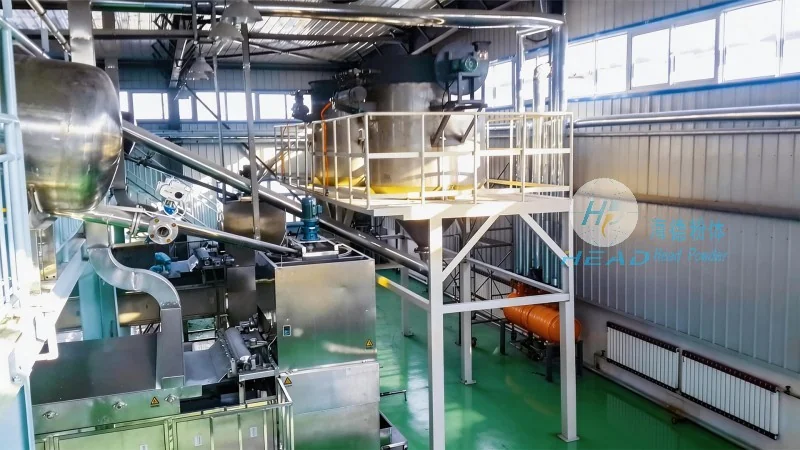
The effectiveness of polymer denitrification systems is significantly influenced by the specific operational scenarios in which they are deployed. These systems are particularly well-suited for applications in power plants, industrial facilities, and other large-scale emission sources. Key features include high removal efficiency, low maintenance requirements, and adaptability to varying gas compositions. The systems can be integrated into existing infrastructure with minimal modifications, making them a cost-effective solution for retrofitting older plants. Additionally, the polymer resins used are resistant to chemical corrosion and can withstand harsh operating conditions, ensuring long-term reliability.
Compared to traditional denitrification technologies, polymer-based systems offer several technical advantages. The polymer resins provide a larger surface area for NOx adsorption, leading to higher removal rates. Moreover, the systems are less prone to fouling and can be regenerated more easily, reducing downtime and maintenance costs. The modular design of these systems allows for scalability, enabling them to be tailored to the specific needs of different facilities. Performance data from real-world applications has shown that polymer denitrification systems can achieve NOx removal efficiencies of up to 95% under optimal conditions, making them a reliable choice for industries seeking to meet or exceed regulatory standards.
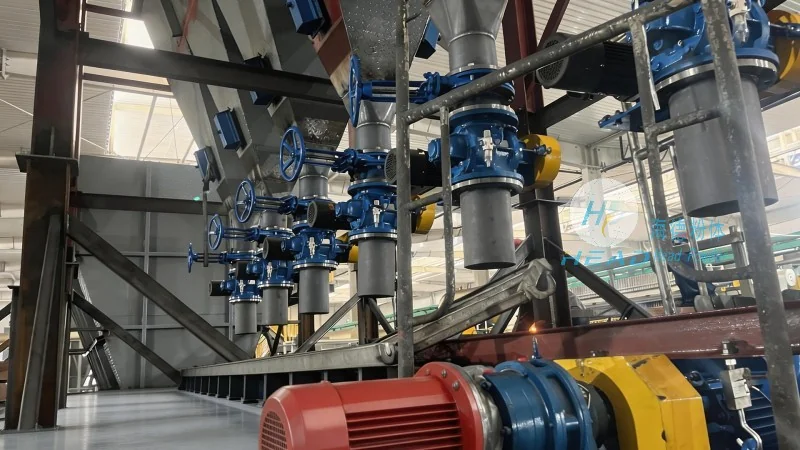
HeadPowder has successfully implemented polymer denitrification systems in various industrial settings. For instance, a coal-fired power plant in Shandong, China, integrated a polymer-based system to reduce NOx emissions from its flue gases. The system was designed to handle high-temperature and high-pressure conditions, with the polymer resins specifically selected for their thermal stability and resistance to sulfur compounds. After commissioning, the plant reported a significant reduction in NOx emissions, with the system achieving over 90% removal efficiency. Another application involved an industrial chemical plant, where the polymer system was used to treat emissions from a nitric acid production process. The system’s ability to handle corrosive gases and high concentrations of NOx was crucial to the plant’s compliance with local environmental regulations.
Polymer denitrification systems represent a promising solution for modern air pollution control, offering efficient, cost-effective, and reliable NOx removal capabilities. As industries continue to face stricter emission standards, the adoption of advanced polymer technologies will likely increase. HeadPowder, with its expertise in polymer engineering, remains at the forefront of developing and deploying these systems, ensuring that clients can meet their environmental obligations while maintaining operational efficiency. The future of denitrification technology lies in the continued innovation of polymer materials and system designs, and HeadPowder is committed to leading this evolution.

 Shandong Headpowder Engineering Co., Ltd.
 156-6277-7102(Manager Zhang)
  0531-83386006
  Zhangqiu District, Jinan City, Shandong Province, China
telephone
WeChatconsult
top