

What is a dry sludge powder pneumatic conveying system? What are its design principles?
Understanding dry sludge powder pneumatic conveying systems is crucial for industries dealing with bulk material handling, especially in wastewater treatment and industrial processes where efficient and reliable transport of dry sludge and powders is essential. This article delves into the core components, operational principles, and design considerations of such systems, providing a comprehensive overview for professionals seeking to optimize material transport solutions.
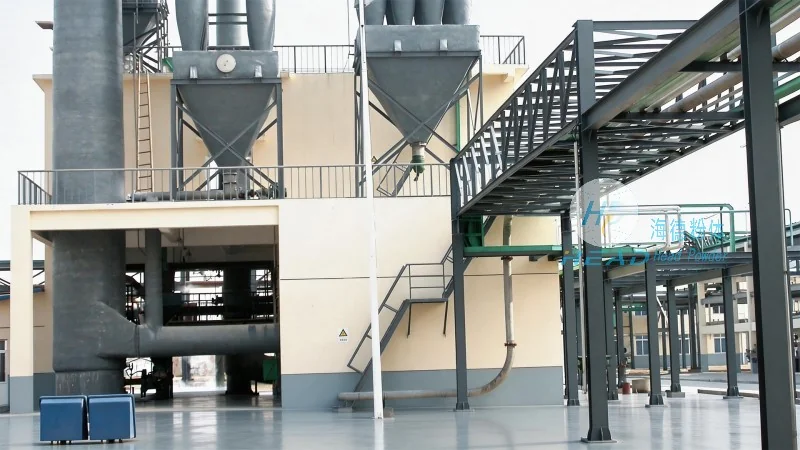
Introduction to Dry Sludge Powder Pneumatic Conveying Systems
A dry sludge powder pneumatic conveying system is a technology used to transport dry, fine materials like sludge or powders through a pipeline using compressed air or other gas as the motive force. Unlike traditional mechanical conveying methods, pneumatic systems offer advantages such as flexibility in layout, ability to handle abrasive or corrosive materials, and reduced maintenance compared to equipment like belt conveyors or screw conveyors. These systems are widely employed in sectors including wastewater treatment, chemical manufacturing, food processing, and mining, where the efficient movement of dry sludge and powders is critical to operational efficiency.
Key Components of a Pneumatic Conveying System
The fundamental components of a dry sludge powder pneumatic conveying system typically include a material feeder, a conveying line (pipeline), a blower or compressor to generate the air flow, a control system to regulate pressure and flow, and a receiver or discharge unit. The material feeder is responsible for accurately feeding the dry sludge or powder into the system, ensuring consistent flow rates. The conveying line, often made of stainless steel or other corrosion-resistant materials, transports the material along the desired path. The blower or compressor provides the necessary pressure to move the material through the pipeline, while the control system monitors and adjusts parameters to maintain optimal performance. The receiver or discharge unit collects the material at the end of the conveying line, completing the transport process.
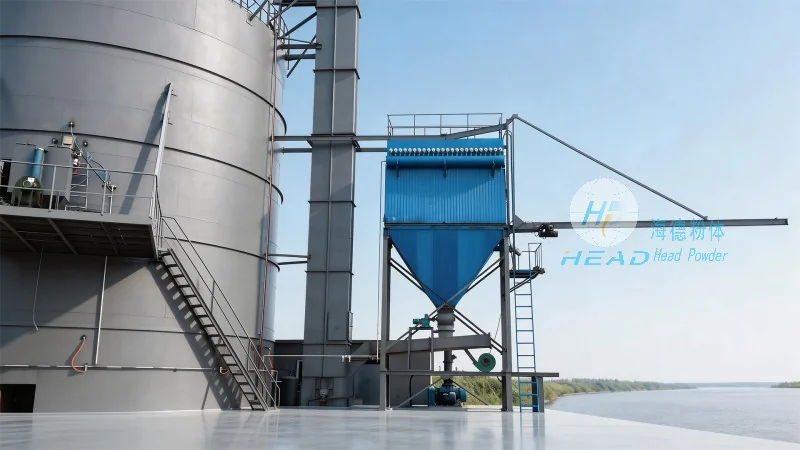
Working Principle of Pneumatic Conveying
The operation of a dry sludge powder pneumatic conveying system is based on the principle of fluidization and suspension of the material particles within the air stream. When compressed air is introduced into the pipeline, it creates a flow that lifts and transports the dry sludge or powder particles. The material is suspended in the air as it moves through the pipeline, allowing for efficient and continuous transport. The velocity of the air flow is a critical factor, as it must be sufficient to keep the particles suspended and prevent deposition or blockages in the pipeline. The system can operate in either positive pressure (blow-through) or negative pressure (suction) modes, depending on the application and layout requirements.
Design Principles and Considerations
Designing an effective dry sludge powder pneumatic conveying system involves several key principles and considerations to ensure optimal performance, reliability, and cost-efficiency. First, the material characteristics must be thoroughly analyzed, including particle size, density, moisture content, and flowability. These properties influence the choice of system type (e.g., pressure or vacuum), pipeline diameter, and blower capacity. For example, fine, dry sludge with high moisture content may require a system with higher air flow rates to maintain suspension and prevent clogging. Second, the system layout and pipeline configuration must be carefully planned to minimize pressure losses and ensure smooth material flow. Factors such as pipeline length, elevation changes, and bends are considered to optimize the system's efficiency and reduce energy consumption. Third, material handling and discharge mechanisms are designed to handle the specific characteristics of the dry sludge or powder, ensuring that the material is discharged cleanly and without re-entrainment or loss. Additionally, the system must be constructed from materials that are compatible with the conveyed material, preventing corrosion or contamination. For instance, stainless steel is commonly used for pipelines and components in systems handling corrosive sludge or powders.
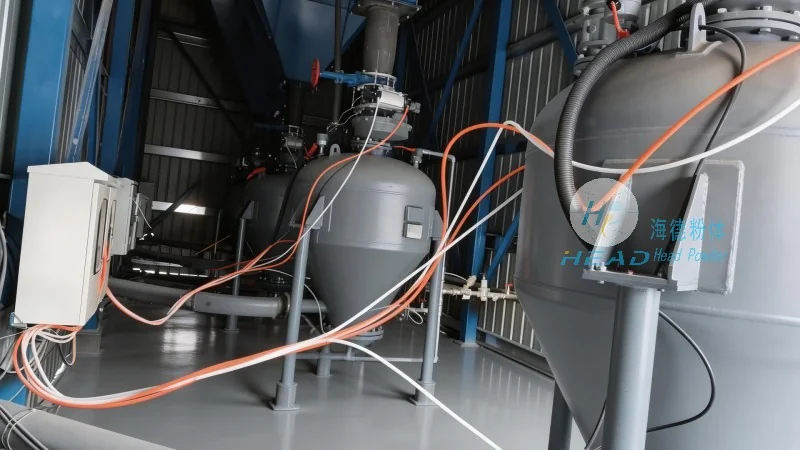
Applications and Benefits
Dry sludge powder pneumatic conveying systems are widely used in various industrial applications due to their versatility and efficiency. In wastewater treatment plants, these systems are employed to transport dried sludge from dewatering units to storage or disposal facilities, reducing the need for truck transport and minimizing environmental impact. In chemical manufacturing, they are used to convey powders such as catalysts, pigments, or reagents between processing units, ensuring consistent and contamination-free material transfer. The benefits of pneumatic conveying systems include reduced labor costs, improved safety (as there is no direct contact with the material), and the ability to handle materials that are difficult to transport using mechanical methods. Additionally, these systems can be integrated with other processing equipment, such as mixers or reactors, to form a complete material handling solution.
Company Overview: Shandong HeadPowder Engineering Co., Ltd.
Shandong HeadPowder Engineering Co., Ltd., commonly known as HeadPowder, is a leading manufacturer and supplier of advanced material handling solutions, including dry sludge powder pneumatic conveying systems. With a strong focus on innovation and customer satisfaction, HeadPowder has established itself as a trusted partner for industries requiring reliable and efficient bulk material transport. The company's headquarters is located in Shandong, China, where it leverages local resources and expertise to develop cutting-edge technologies tailored to the needs of global clients. HeadPowder's team of engineers and technicians specializes in designing and manufacturing customized pneumatic conveying systems that meet the specific requirements of each project, ensuring optimal performance and long-term reliability. The company adheres to international quality standards and provides comprehensive after-sales support, including installation, maintenance, and technical assistance, to ensure that clients can maximize the benefits of their investment in pneumatic conveying systems.