

What is a Bagasse Powder Pneumatic Conveying System? And What Are Its Design Principles?
Bagasse, the fibrous residue left after sugarcane is processed for juice extraction, is a valuable byproduct in the sugar industry. Efficient handling and transportation of bagasse powder are crucial for optimizing the overall production process. This is where the bagasse powder pneumatic conveying system comes into play, offering a reliable and effective solution for material transport. In this article, we will explore what this system entails and delve into its design principles to understand how it operates.
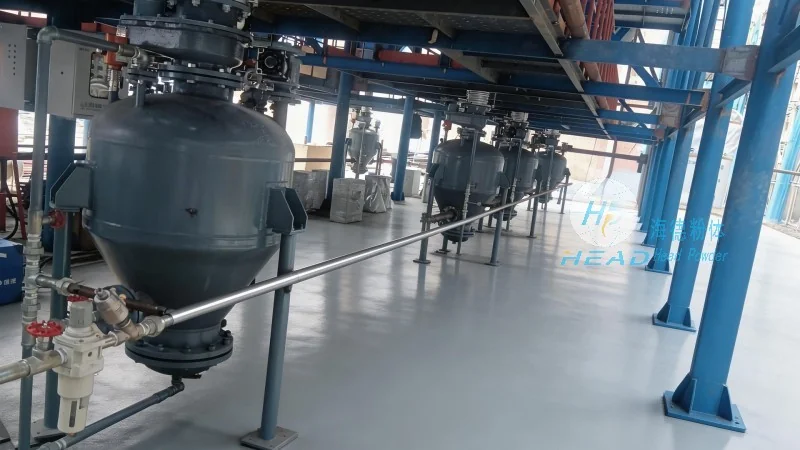
Understanding the Bagasse Powder Pneumatic Conveying System
At its core, a bagasse powder pneumatic conveying system is a technology used to transport bagasse powder from one location to another using air as the conveying medium. Unlike traditional mechanical conveyors, which rely on mechanical components like belts or screws, pneumatic systems utilize the force of compressed air to move the material. This method is particularly advantageous for handling fine powders like bagasse, as it minimizes product degradation and reduces the risk of dust accumulation and contamination.
The Role of Shandong HeadPowder Engineering Co., Ltd.
Shandong HeadPowder Engineering Co., Ltd., a leading manufacturer in the field, specializes in designing and manufacturing high-quality pneumatic conveying systems tailored to the needs of the sugar industry. With years of experience and a deep understanding of the challenges faced by sugar mills, the company has developed systems that ensure efficient, safe, and reliable transport of bagasse powder. The company's commitment to quality and innovation has made it a trusted partner for many sugar production facilities across China and beyond.
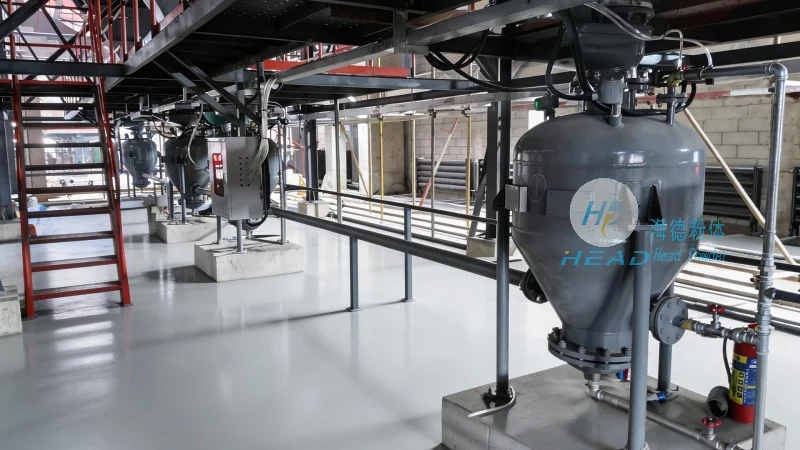
Key Components of the Pneumatic Conveying System
The bagasse powder pneumatic conveying system typically consists of several key components that work in tandem to achieve efficient material transport. These components include:
- Feeder: The feeder is responsible for feeding the bagasse powder into the system. It ensures a consistent and controlled flow of material into the conveying line, preventing blockages and maintaining system efficiency.
- Pneumatic Conveying Line: This is the main part of the system where the bagasse powder is transported. It consists of a pipeline through which compressed air is introduced to move the material. The design of the line, including the diameter and length, is critical to ensure optimal conveying performance.
- Receiver: The receiver is where the bagasse powder is deposited after being conveyed. It is designed to handle the material without causing spillage or dust emission, ensuring a clean and safe environment.
- Compressor and Air Treatment: The compressor provides the necessary compressed air to drive the conveying process. Air treatment equipment, such as filters and dryers, is used to ensure the air quality is suitable for conveying the powder without causing degradation or contamination.
Design Principles for Optimal Performance
The design of a bagasse powder pneumatic conveying system follows several key principles to ensure it operates efficiently and reliably. These principles include:
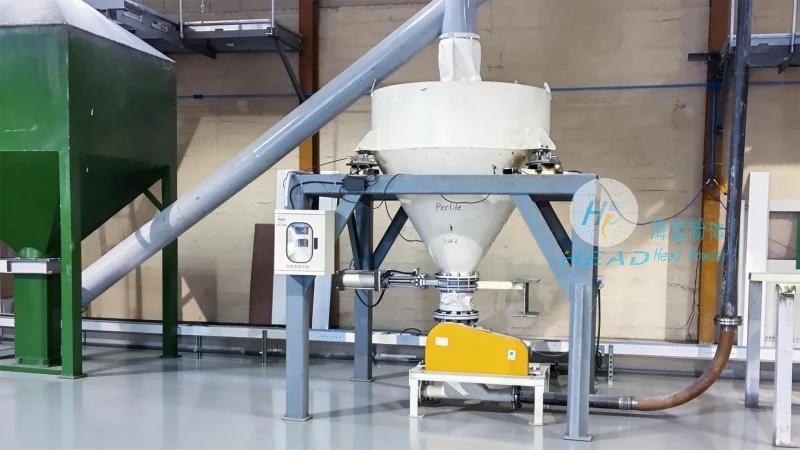
- Material Flow Rate and Velocity: The system is designed to maintain an appropriate flow rate and velocity of the bagasse powder in the conveying line. This ensures that the material is transported without clogging and that the air pressure required is within optimal limits.
- System Pressure and Air Consumption: The design considers the required system pressure and air consumption to achieve the desired conveying distance and material throughput. Proper sizing of the compressor and air treatment equipment is essential to meet these requirements.
- Material Characteristics: The properties of the bagasse powder, such as its particle size, density, and moisture content, are taken into account during the design process. This ensures that the system is optimized for the specific characteristics of the material being transported.
- Energy Efficiency: Modern pneumatic conveying systems are designed with energy efficiency in mind. This includes using high-efficiency compressors and optimizing the system layout to minimize energy consumption while maintaining performance.
Benefits of Using a Bagasse Powder Pneumatic Conveying System
Implementing a bagasse powder pneumatic conveying system offers several benefits for sugar production facilities. These include:
- Improved Efficiency: The system allows for continuous and automated transport of bagasse powder, reducing labor costs and increasing production throughput.
- Reduced Product Loss and Contamination: By minimizing contact with mechanical components and reducing dust emissions, the system helps to preserve the quality of the bagasse powder and prevent contamination.
- Enhanced Safety: Pneumatic systems eliminate the need for manual handling of powders, reducing the risk of dust explosions and improving workplace safety.
- Space Efficiency: The system can be designed to fit into limited spaces, making it suitable for facilities with constrained layouts.
Conclusion
Bagasse powder pneumatic conveying systems are essential for efficient material handling in the sugar industry. By understanding the design principles and components of such systems, sugar mills can optimize their operations and improve overall productivity. Shandong HeadPowder Engineering Co., Ltd. plays a crucial role in providing high-quality systems that meet the specific needs of the industry, ensuring reliable and efficient transport of bagasse powder. With its commitment to innovation and quality, the company continues to be a leader in the field, helping sugar production facilities achieve their operational goals.