With more than 10‑year industry experience, Shandong Headpowder delivers full‑service pneumatic‑conveying systems and blowers, undertaking nationwide turn‑key powder‑handling projects.
HeadPowder, a leading manufacturer in the field of material handling solutions, specializes in providing efficient and reliable pneumatic conveying systems tailored for sanding powders. This article provides a detailed comparison between positive pressure and negative pressure conveying methods, helping industrial clients make informed decisions when selecting the most suitable system for their operations.
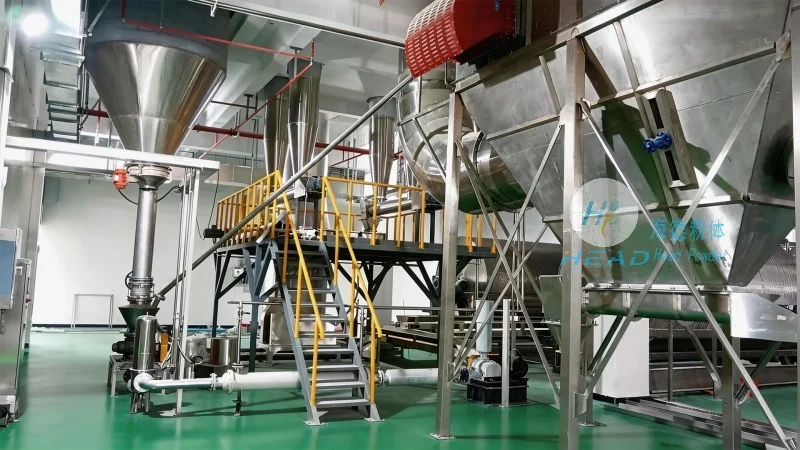
Pneumatic conveying systems are widely used in the processing of sanding powders due to their ability to transport dry powders over long distances with minimal maintenance and operational complexity. These systems utilize air or gas as the conveying medium, enabling the movement of materials without the need for mechanical components like belts or buckets. For sanding powders, which often require precise control over particle flow and dust containment, the choice between positive pressure and negative pressure systems is critical. Both methods have distinct advantages and limitations that must be carefully evaluated based on specific application requirements.
HeadPowder, formally known as Shandong HeadPowder Engineering Co., Ltd., is headquartered in Shandong, China. The company has established itself as a trusted provider of advanced material handling technologies, focusing on the design, manufacturing, and installation of pneumatic conveying systems. With a strong commitment to quality and innovation, HeadPowder offers customized solutions that meet the unique needs of various industries, including woodworking, metalworking, and surface finishing. The company's expertise in sanding powder handling ensures that clients receive systems optimized for efficiency, safety, and cost-effectiveness.
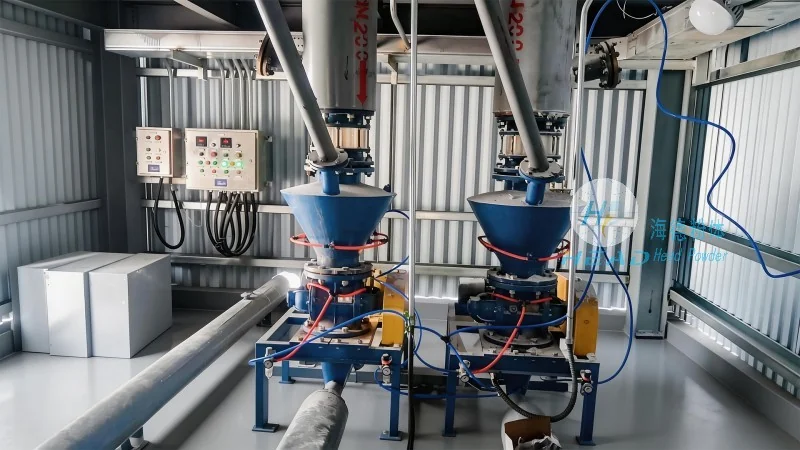
Positive pressure conveying, also known as pressure conveying, operates by generating a higher pressure inside the conveying line compared to the ambient environment. This method uses a positive displacement blower or a rotary lobe compressor to force air and material through the system. The primary advantage of positive pressure systems is their ability to handle abrasive and sticky powders effectively, as the high pressure helps to break up agglomerates and maintain consistent flow. Additionally, positive pressure systems are well-suited for long-distance conveying, as they can maintain sufficient pressure to overcome friction and elevation changes. In the context of sanding powders, positive pressure conveying is particularly effective for applications requiring high throughput and reliable material transport over extended distances. However, these systems may require more robust equipment and higher energy consumption compared to negative pressure alternatives.
Negative pressure conveying, or vacuum conveying, works by creating a lower pressure inside the conveying line than the ambient air pressure. A vacuum pump draws air and material from the source and transports them to the destination. This method is often preferred for applications involving fine powders that are prone to dust generation and require gentle handling. The lower pressure in the system reduces the risk of material degradation and helps to minimize dust emissions, making it suitable for environments where air quality is a concern. Negative pressure systems are typically more energy-efficient for short to medium-distance conveying, as they use less power to maintain the vacuum. For sanding powders, negative pressure conveying is ideal for applications where the material is to be collected from multiple points or for handling powders that are sensitive to high pressure or friction. However, these systems may have limitations in handling highly abrasive or sticky powders, as the lower pressure can lead to blockages or reduced flow efficiency.
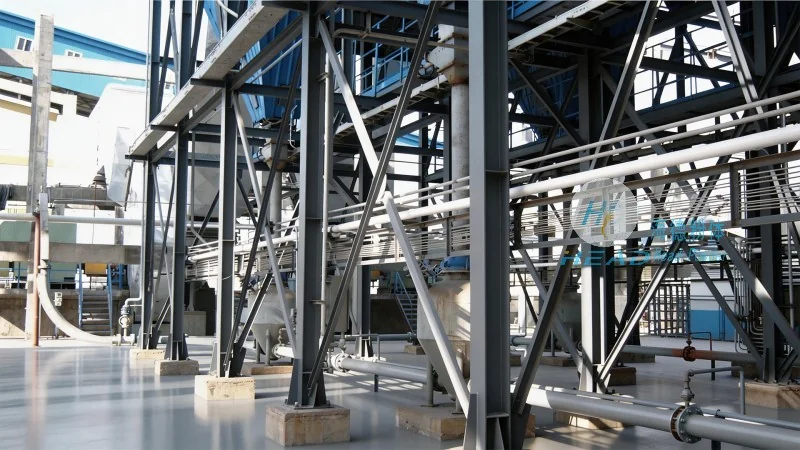
When comparing positive and negative pressure conveying for sanding powders, several key factors differentiate the two methods. The most significant difference lies in the pressure differential and the direction of air flow. Positive pressure systems push material through the line, while negative pressure systems pull material into the line. This fundamental difference affects the system's ability to handle different powder characteristics. Positive pressure systems excel in high-volume, long-distance transport and are better suited for abrasive or sticky powders. In contrast, negative pressure systems are more suitable for fine powders that require gentle handling and have lower energy requirements for short to medium distances. Another critical difference is the equipment used. Positive pressure systems typically employ positive displacement blowers, which are capable of delivering high pressure and flow rates. Negative pressure systems use vacuum pumps, which are designed to create and maintain a vacuum. The choice between the two depends on the specific operational parameters, such as the distance between the source and destination, the volume of material to be conveyed, and the nature of the sanding powder (e.g., particle size, moisture content, and stickiness).
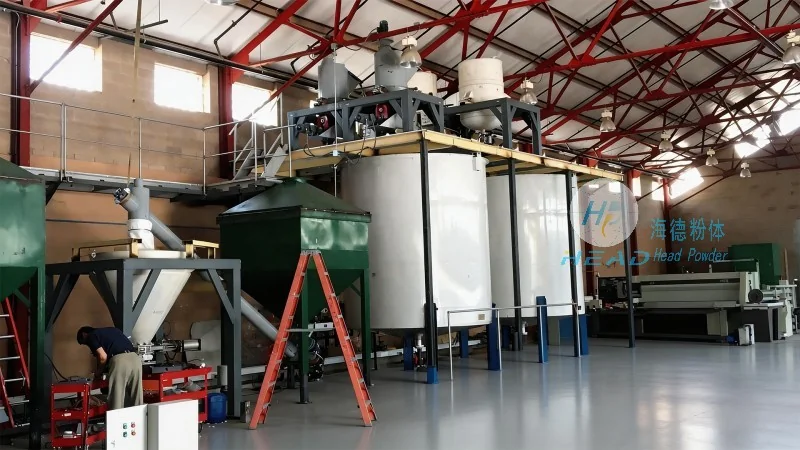
When selecting between positive and negative pressure conveying for sanding powders, industrial clients should consider several factors to ensure optimal performance and efficiency. The first consideration is the distance between the material source and the destination. Positive pressure systems are generally more effective for long-distance conveying, as they can maintain sufficient pressure to overcome friction and elevation changes. Negative pressure systems are better suited for shorter distances, as the vacuum may not be sufficient to transport material over extended lengths. The second factor is the volume and characteristics of the sanding powder. Abrasive or sticky powders may require the higher pressure and flow rates provided by positive pressure systems. Fine powders that are prone to dust and require gentle handling are better suited for negative pressure systems. Third, the energy consumption and operational costs should be evaluated. Positive pressure systems typically consume more energy due to the higher pressure requirements, while negative pressure systems are more energy-efficient for short distances. Finally, the environmental and safety considerations must be addressed. Negative pressure systems are advantageous in terms of dust containment and air quality, as they draw material into the system and minimize dust emissions. Positive pressure systems may require additional dust collection equipment to prevent air pollution. By carefully evaluating these factors, clients can choose the most appropriate pneumatic conveying system that meets their operational needs and budget constraints.
Choosing between positive pressure and negative pressure conveying for sanding powders is a critical decision that impacts the efficiency, safety, and cost-effectiveness of industrial operations. Positive pressure systems offer high throughput and effective handling of abrasive or sticky powders, making them suitable for long-distance applications. Negative pressure systems provide gentle handling and lower energy consumption, ideal for fine powders and shorter distances. The choice ultimately depends on the specific requirements of the application, including the distance, material characteristics, and environmental considerations. HeadPowder, with its expertise in material handling solutions, provides customized pneumatic conveying systems that address these factors, ensuring optimal performance and reliability. By understanding the advantages and limitations of both positive and negative pressure conveying, industrial clients can make informed decisions that enhance their production processes and maintain compliance with safety and environmental standards.

 Shandong Headpowder Engineering Co., Ltd.
 156-6277-7102(Manager Zhang)
  0531-83386006
  Zhangqiu District, Jinan City, Shandong Province, China
telephone
WeChatconsult
top