With more than 10‑year industry experience, Shandong Headpowder delivers full‑service pneumatic‑conveying systems and blowers, undertaking nationwide turn‑key powder‑handling projects.
When it comes to industrial processes that require the efficient handling of desulfurization and denitrification agents, the design of a reliable pneumatic conveying system is crucial. Such systems are integral to ensuring the safe and effective transport of these critical chemicals, which are essential for environmental protection and compliance with emission standards. This article outlines the key considerations and steps involved in designing a well-structured pneumatic conveying system for desulfurization and denitrification agents, with a focus on practical application and system optimization.
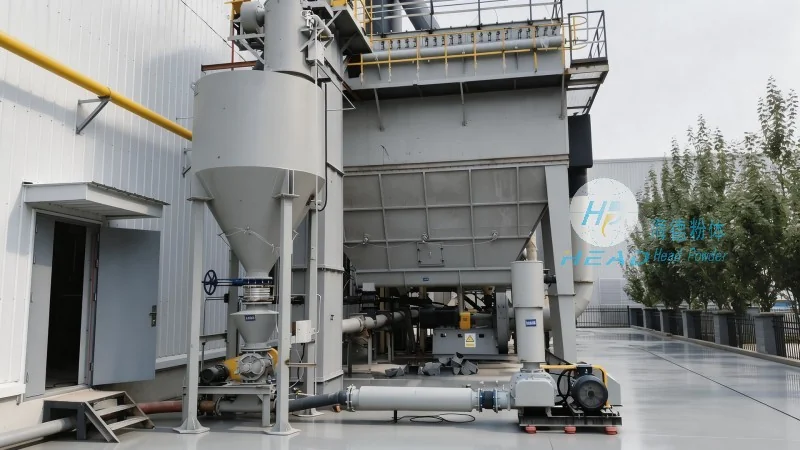
Before diving into the design process, it is essential to understand the unique characteristics of desulfurization and denitrification agents. These materials often have specific properties, such as particle size, moisture content, and reactivity, which directly impact the choice of conveying method and system components. For instance, some agents may be abrasive or corrosive, necessitating the use of specialized materials for the system's construction. Additionally, the need for precise dosing and consistent flow rates is paramount in industrial applications, as any deviation can lead to inefficiencies or operational issues. Therefore, a thorough analysis of the agent's physical and chemical properties is the first step in tailoring a pneumatic conveying system that meets operational demands.
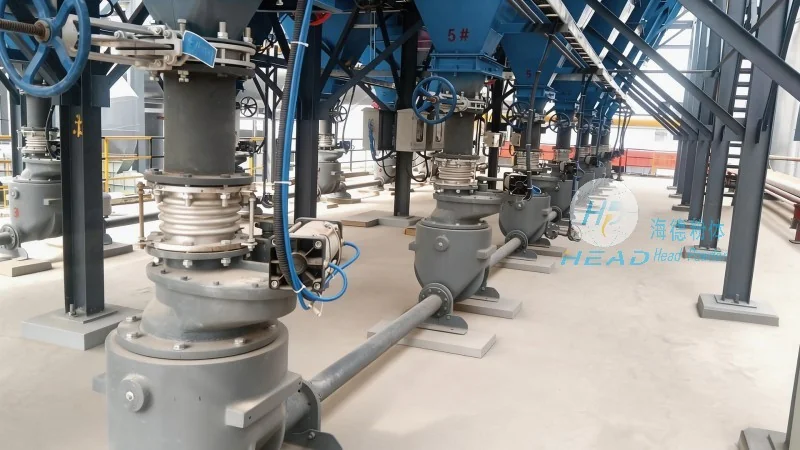
The design of a pneumatic conveying system for desulfurization and denitrification agents involves several critical factors that must be carefully evaluated. One of the primary considerations is the system's capacity and flow rate requirements. This depends on the production scale, the frequency of material handling, and the desired throughput. Engineers must calculate the necessary air volume and pressure to achieve the required flow rates without causing excessive wear on components or compromising material integrity. Another critical aspect is the selection of the conveying line's diameter and length. The line diameter must be sufficient to accommodate the particle size distribution of the agent while minimizing pressure drop and ensuring smooth flow. The length of the conveying line is also a factor, as longer lines may require additional booster fans or pressure recovery systems to maintain the necessary pressure. Furthermore, the choice of air supply method—whether positive pressure or negative pressure—plays a significant role in system efficiency and operational costs. Positive pressure systems are generally preferred for handling abrasive or corrosive materials, as they offer better control over the material flow and reduce the risk of contamination from external air. Negative pressure systems, on the other hand, are suitable for applications where dust control is a priority, as they draw material into the system while minimizing emissions.
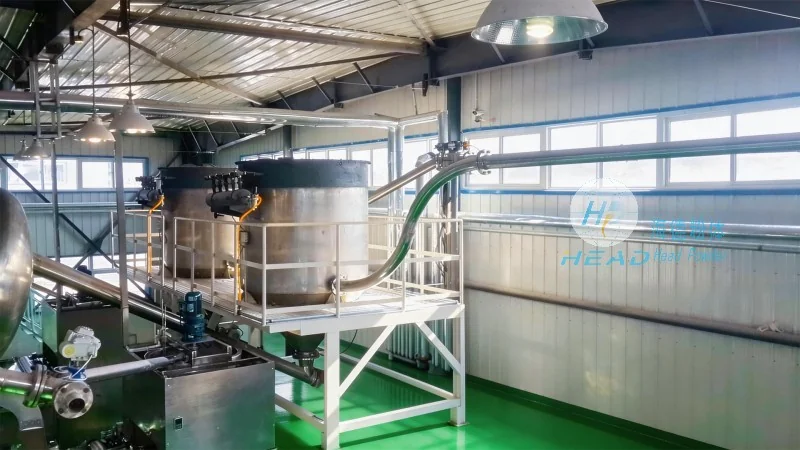
A pneumatic conveying system for desulfurization and denitrification agents typically consists of several key components, each playing a vital role in the overall operation. The primary components include the material feed hopper, which stores and feeds the agent into the system; the air supply unit, which provides the necessary pressure and volume of air; the conveying line, which transports the material; and the discharge hopper or collection system, which receives the material at the destination. The material feed hopper is designed to handle the specific characteristics of the agent, such as its bulk density and flowability. It may include features like a vibratory feeder or a rotary valve to ensure consistent material flow and prevent blockages. The air supply unit, which can be a blower or a compressor, generates the required air pressure and volume. The choice of equipment depends on the system's capacity and the type of conveying (e.g., dilute phase or dense phase). The conveying line is usually made of materials like stainless steel or polyethylene, which are resistant to corrosion and wear from the abrasive agent. The line may also include fittings such as elbows, tees, and reducers to direct the material flow and minimize pressure losses. The discharge hopper or collection system is designed to safely receive the material and prevent dust emissions. It may include features like a dust collector or a venting system to control air quality and ensure compliance with environmental regulations.
The design process for a pneumatic conveying system involves a systematic approach that ensures all operational and safety requirements are met. The first step is to gather detailed information about the desulfurization and denitrification agent, including its physical and chemical properties, as mentioned earlier. This information is used to determine the appropriate conveying method and system components. Next, the system's capacity and flow rate requirements are calculated based on the production needs and operational schedule. This involves determining the required air volume and pressure, as well as the line diameter and length. The next step is to select the appropriate components, considering factors such as material compatibility, durability, and cost. Engineers must also consider the system's integration with existing infrastructure, such as the plant layout and existing air handling systems. Additionally, safety considerations are paramount, as the system may handle hazardous materials. This includes implementing proper ventilation, dust control measures, and emergency shutdown procedures. Finally, the system is tested and optimized to ensure it meets all performance and safety standards. This may involve adjusting the air pressure, flow rate, or system components to achieve the desired results. Best practices in the design of pneumatic conveying systems include regular maintenance and monitoring to ensure long-term reliability and efficiency. This includes checking for wear and tear on components, monitoring pressure and flow rates, and performing routine cleaning to prevent blockages or contamination.
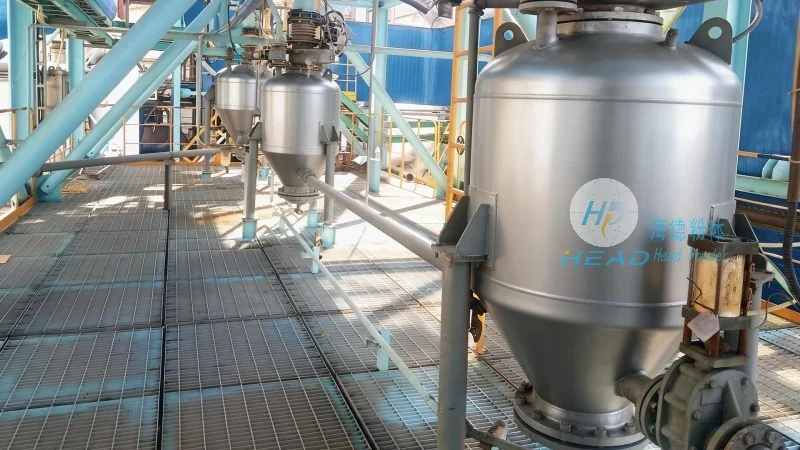
Shandong HeadPowder Engineering Co., Ltd., commonly known as HeadPowder, is a leading provider of engineering solutions for industrial material handling systems. With years of experience in the field, HeadPowder specializes in designing and implementing pneumatic conveying systems for a wide range of applications, including desulfurization and denitrification agents. The company's team of experienced engineers and technicians is well-versed in the unique challenges of handling these materials and can provide tailored solutions that meet specific operational requirements. HeadPowder's approach to system design involves a comprehensive analysis of the client's needs, followed by the development of a customized system that incorporates the latest technology and best practices. The company uses advanced software and simulation tools to model the system and predict its performance, ensuring that the final design is optimized for efficiency and reliability. HeadPowder also provides comprehensive support services, including installation, commissioning, and maintenance, to ensure that the system operates at peak performance throughout its lifecycle. The company's commitment to quality and customer satisfaction has made it a trusted partner for many industrial clients, who rely on HeadPowder's expertise to design and implement effective pneumatic conveying systems for their desulfurization and denitrification processes.

 Shandong Headpowder Engineering Co., Ltd.
 156-6277-7102(Manager Zhang)
  0531-83386006
  Zhangqiu District, Jinan City, Shandong Province, China
telephone
WeChatconsult
top