With more than 10‑year industry experience, Shandong Headpowder delivers full‑service pneumatic‑conveying systems and blowers, undertaking nationwide turn‑key powder‑handling projects.
When it comes to managing coal ash particles in industrial processes, selecting the appropriate pneumatic conveying system is crucial for efficiency, safety, and operational reliability. Coal ash, with its unique characteristics such as particle size, moisture content, and density, requires specialized equipment to ensure effective transport from one location to another. This guide provides insights into the key factors and considerations for choosing the right pneumatic conveying system for coal ash particle handling applications.
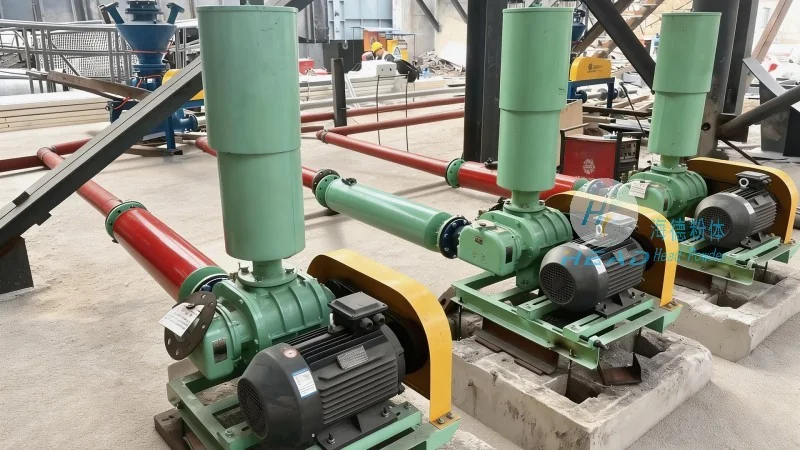
Coal ash particles typically exhibit characteristics that influence the choice of pneumatic conveying technology. Factors such as particle size distribution, bulk density, and moisture content directly affect the system's performance. For example, fine coal ash particles may require systems with higher air velocities or specialized hopper designs to prevent clogging and ensure smooth flow. Understanding these properties is essential for selecting a system that can handle the specific challenges posed by coal ash materials.
Several critical factors must be evaluated when selecting a pneumatic conveying system for coal ash particle handling. The first consideration is the system's capacity and flow rate requirements. The volume of coal ash to be transported per hour will determine the necessary air volume and pressure. Additionally, the distance and elevation changes between the source and destination points are important factors. For long-distance or high-elevation transport, systems with higher pressure capabilities or more efficient air usage may be required. Another key factor is the system's ability to handle variations in particle characteristics, such as changes in moisture content or particle size over time. A flexible system that can adapt to these variations without compromising performance is highly desirable.
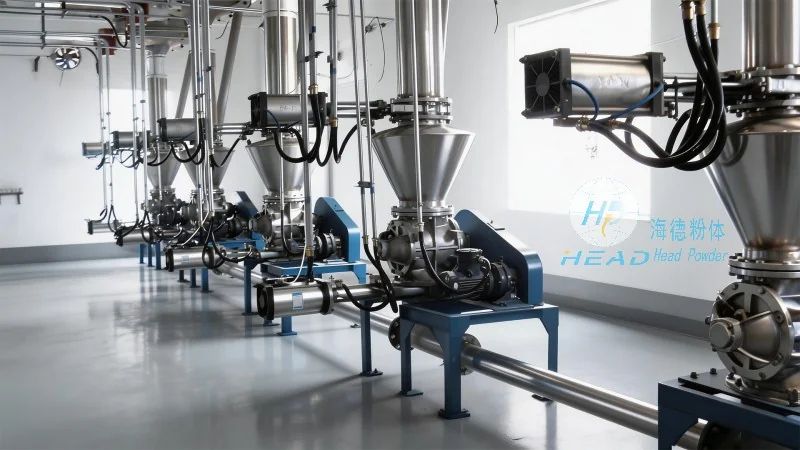
There are several types of pneumatic conveying systems available, each with its own advantages and limitations for coal ash particle handling. The most common types include positive pressure systems, negative pressure systems, and hybrid systems. Positive pressure systems, where air is forced through the material, are often preferred for coal ash due to their ability to handle abrasive particles and prevent dust emissions. These systems typically use high-pressure air to move the particles through a pipeline network. Negative pressure systems, on the other hand, draw material into the system using a vacuum, which can be effective for short-distance transport but may struggle with larger or heavier particles. Hybrid systems combine elements of both positive and negative pressure, offering flexibility in handling different particle sizes and distances.
When selecting equipment for coal ash particle handling, several aspects must be considered. The hopper design is critical as it needs to prevent material bridging and ensure consistent flow. A well-designed hopper with appropriate angles and flow aids can significantly improve system performance. The pipeline material and diameter are also important. Coal ash particles can be abrasive, so pipelines made of materials like stainless steel or high-density polyethylene are often used to prevent wear and corrosion. Additionally, the choice of air compressor and filter system is essential. High-quality compressors with appropriate filtration can ensure clean air and reduce maintenance costs. The system's control and monitoring capabilities are also important for maintaining optimal performance and detecting issues early.
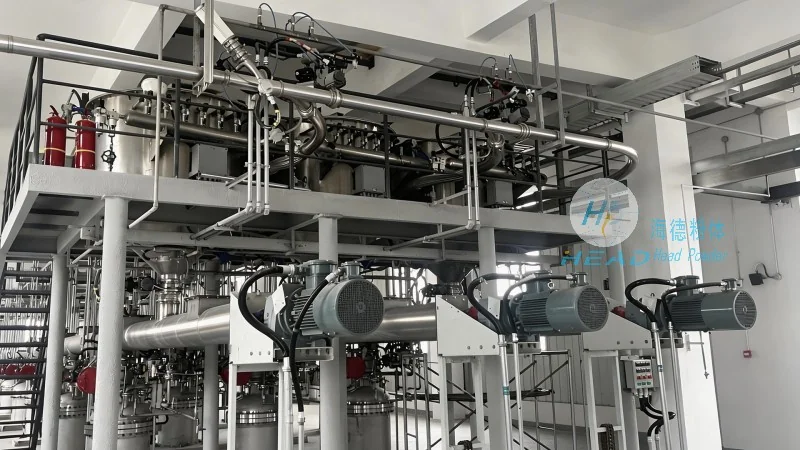
Proper installation and regular maintenance are vital for the long-term performance and reliability of coal ash pneumatic conveying systems. Installation should follow manufacturer guidelines to ensure proper alignment and air flow. Regular maintenance, including cleaning of filters, checking for wear in pipelines and components, and monitoring air pressure and flow rates, is necessary to prevent system failures. The system's accessibility for maintenance should also be considered, as frequent maintenance can impact operational downtime. Proper training of personnel on system operation and maintenance is also crucial for ensuring the system operates efficiently and safely.
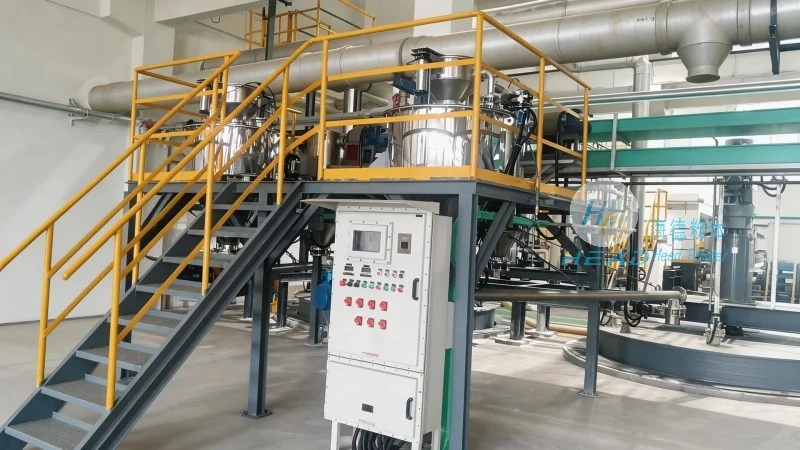
Real-world applications of pneumatic conveying systems for coal ash particles provide valuable insights into their effectiveness. For example, a power plant in Shandong, China, implemented a positive pressure pneumatic conveying system to transport coal ash from the boiler to storage silos. The system was designed to handle fine ash particles with high moisture content, and it successfully increased the plant's material handling capacity while reducing labor costs. Another case study involved a recycling facility that used a hybrid pneumatic conveying system to transport coal ash for reuse in construction materials. The system's flexibility allowed the facility to adjust to varying ash characteristics, resulting in improved product quality and reduced waste. These examples demonstrate the importance of selecting the right system based on specific application requirements.
Choosing the right pneumatic conveying system for coal ash particle handling requires careful consideration of material properties, system requirements, and operational conditions. By evaluating factors such as capacity, distance, particle characteristics, and system flexibility, industrial facilities can select a system that maximizes efficiency, minimizes downtime, and ensures safe operation. Working with experienced engineering companies like Shandong HeadPowder Engineering Co., Ltd., which specializes in customizing pneumatic conveying solutions for coal ash applications, can provide valuable expertise in selecting and implementing the most suitable system for specific needs. With proper planning and maintenance, pneumatic conveying systems can effectively handle coal ash particles, contributing to the overall success of industrial processes.

 Shandong Headpowder Engineering Co., Ltd.
 156-6277-7102(Manager Zhang)
  0531-83386006
  Zhangqiu District, Jinan City, Shandong Province, China
telephone
WeChatconsult
top