With more than 10‑year industry experience, Shandong Headpowder delivers full‑service pneumatic‑conveying systems and blowers, undertaking nationwide turn‑key powder‑handling projects.
Automatic weighing and feeding material conveying equipment are advanced industrial devices designed to handle the precise measurement and transportation of bulk materials in various manufacturing and processing applications. These systems play a crucial role in ensuring consistent product quality and operational efficiency across industries such as food processing, pharmaceuticals, chemicals, and minerals. The design of these equipment integrates multiple components, each serving a specific function to achieve accurate material handling and control.
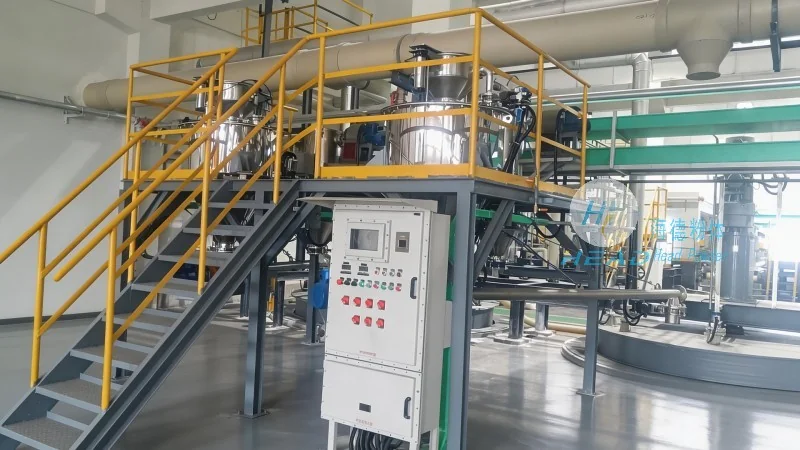
HeadPowder, the manufacturer of this equipment, is represented by Shandong HeadPowder Engineering Co., Ltd., a company based in Shandong, China. With a focus on engineering excellence and customer-centric solutions, HeadPowder specializes in developing and supplying high-quality material handling systems tailored to meet diverse industrial needs. The company's commitment to innovation and reliability has positioned it as a trusted partner in the field of automated material processing.
The core design principle of automatic weighing and feeding material conveying equipment revolves around precision, efficiency, and automation. At the heart of these systems is the weighing mechanism, which typically employs load cells or digital scales to measure the mass of materials with high accuracy. This measurement data is then processed by a control unit, often integrated with a programmable logic controller (PLC) or a modern industrial computer, to regulate the feeding rate and ensure the desired batch size is achieved. The control system may also incorporate feedback loops to adjust the feeding speed in real-time, compensating for variations in material flow or density.
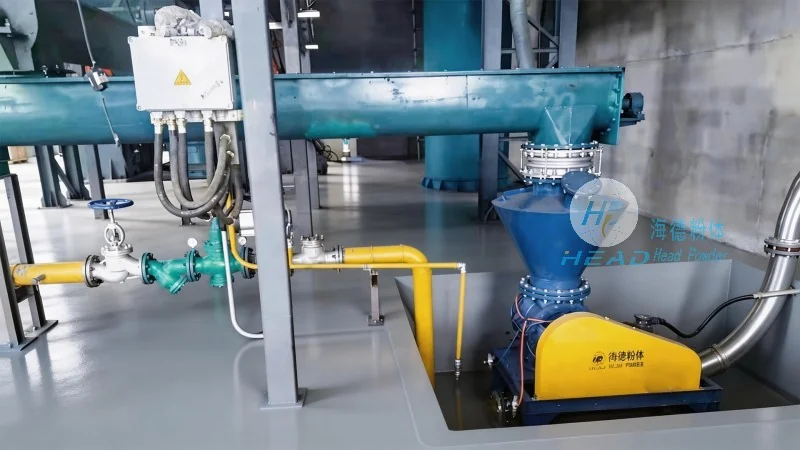
Concurrently, the material conveying component of the equipment is engineered to transport bulk materials from storage to processing points with minimal loss and maximum speed. Common conveying methods include screw conveyors, belt conveyors, and pneumatic systems, each selected based on the material's properties and the operational requirements. The design ensures smooth material flow, preventing blockages or uneven distribution that could affect weighing accuracy. Additionally, the integration of sensors and monitoring devices allows for continuous tracking of material levels and flow rates, enhancing operational visibility and enabling proactive maintenance.
Automatic weighing and feeding material conveying equipment from HeadPowder are equipped with several key technical features that enhance their performance and reliability. One of the primary advantages is the high precision of the weighing system, which can achieve measurement accuracies within ±0.1% of the target weight, ensuring consistent product composition. The equipment also offers high throughput capabilities, allowing for rapid material processing and reduced downtime. Automation features, such as automated start-stop sequences and batch control, further streamline operations and minimize human intervention, improving safety and reducing labor costs.
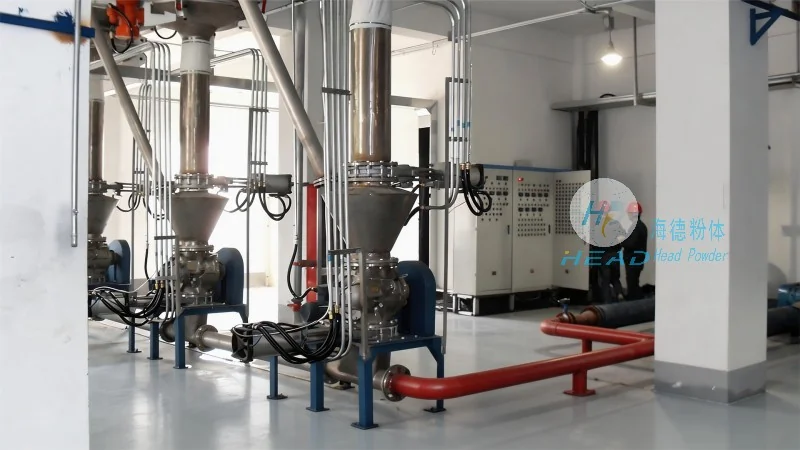
Another critical feature is the robust construction and durability of the equipment, designed to withstand harsh industrial environments and heavy usage. Materials used in the construction, such as stainless steel for contact parts and corrosion-resistant components, ensure longevity and maintain hygiene standards, which is particularly important in industries like food and pharmaceuticals. The modular design of the systems allows for easy integration with existing production lines and scalability to accommodate future production increases.
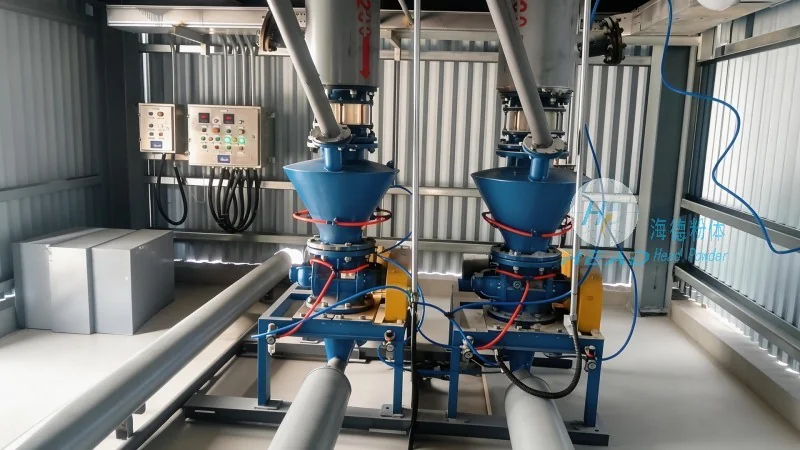
These equipment systems are widely used in applications where precise material measurement and controlled feeding are essential. In the food industry, for example, they are used to weigh and feed ingredients like flour, sugar, and spices for consistent product formulation. In the pharmaceutical sector, they ensure accurate dosing of raw materials, adhering to stringent regulatory requirements. The benefits of using such equipment extend beyond precision; they also include improved production efficiency, reduced material waste, and enhanced safety by minimizing manual handling of bulk materials.
By combining advanced weighing technology with efficient material conveying mechanisms, these systems provide a comprehensive solution for material handling challenges. The design principles, focusing on accuracy, automation, and durability, make them suitable for long-term, high-demand industrial applications. HeadPowder's commitment to quality and innovation ensures that their equipment meets the evolving needs of modern manufacturing, delivering reliable performance and contributing to overall operational excellence.

 Shandong Headpowder Engineering Co., Ltd.
 156-6277-7102(Manager Zhang)
  0531-83386006
  Zhangqiu District, Jinan City, Shandong Province, China
telephone
WeChatconsult
top