With more than 10‑year industry experience, Shandong Headpowder delivers full‑service pneumatic‑conveying systems and blowers, undertaking nationwide turn‑key powder‑handling projects.
Carbide slag, a byproduct from the production of calcium carbide, poses significant challenges in handling due to its high moisture content, abrasive nature, and potential for dust generation. Traditional methods like belt conveyors or bucket elevators often struggle with these characteristics, leading to increased maintenance costs and operational inefficiencies. Pneumatic conveying equipment offers a more effective solution by utilizing air to transport the material, providing a flexible and efficient method for handling carbide slag in various industrial settings. This technology is provided by Shandong HeadPowder Engineering Co., Ltd., a leading manufacturer specializing in bulk material handling solutions.
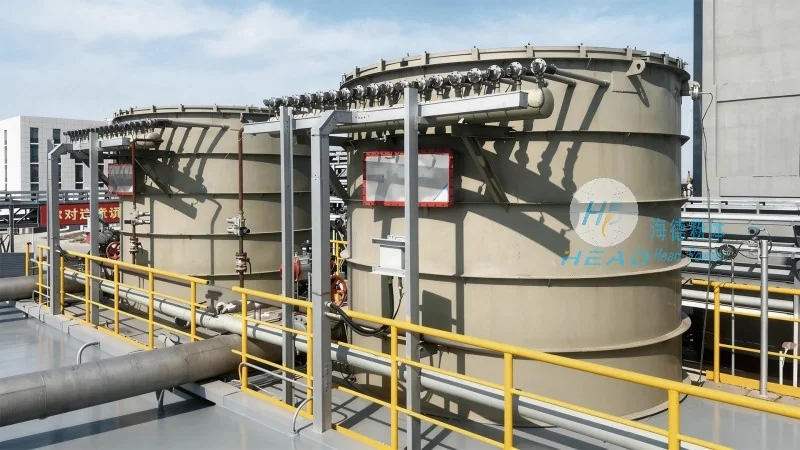
The core principle of pneumatic conveying for carbide slag involves the use of a pressure or vacuum system to move the material through a pipeline. In a typical system, the carbide slag is introduced into a hopper, where it is mixed with air under controlled pressure. The air, acting as a carrier, transports the particles through the pipeline to the destination point, such as a storage silo or processing unit. The system can operate in either positive pressure (where air is forced through the pipeline) or negative pressure (where air is drawn through the pipeline). The choice of system depends on factors like the distance of transport, the volume of material, and the required flow rate. The equipment used includes feeders, blowers or vacuum pumps, pipelines, and control systems to ensure smooth and continuous operation.
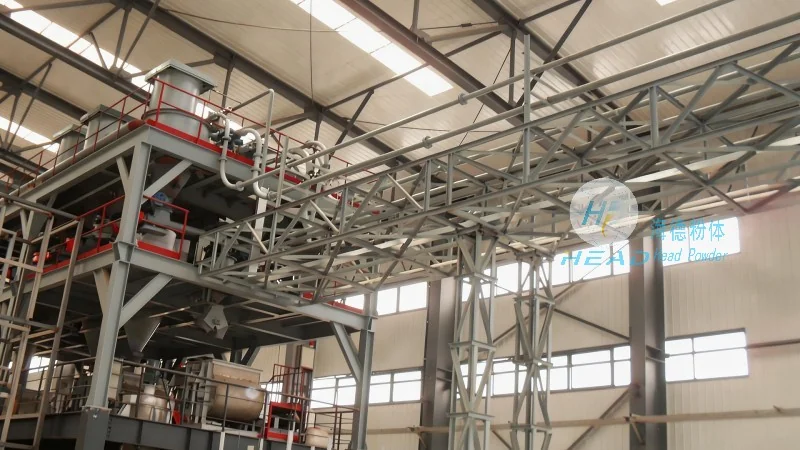
Several critical components make up a pneumatic conveying system for carbide slag. The feeder is responsible for accurately metering the material into the pipeline, ensuring a consistent flow rate. The blower or vacuum pump provides the necessary air pressure or suction to move the material. The pipeline network connects the feeding point to the discharge point, with appropriate fittings and valves to control the flow direction and pressure. The control system monitors and adjusts the operation of the blower, feeder, and other components to maintain optimal performance. Additionally, filters and dust collectors are often included to manage the dust generated during the conveying process, ensuring compliance with environmental regulations.
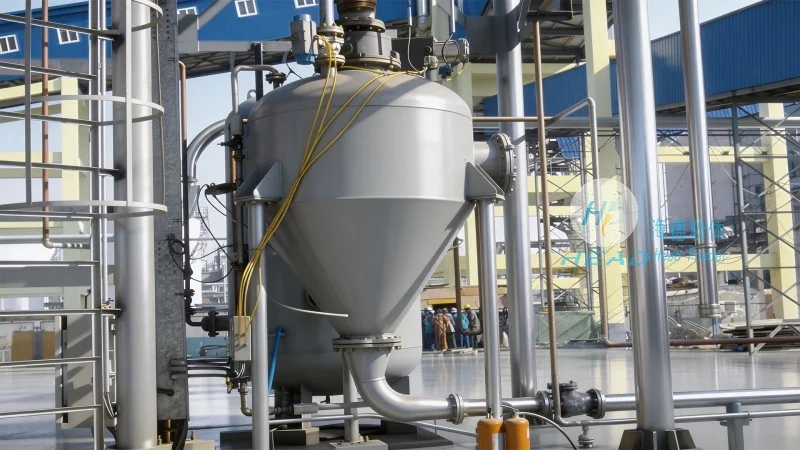
The working scene characteristics of pneumatic conveying equipment for carbide slag are tailored to meet the specific demands of industrial applications. These characteristics include high efficiency in material transport, minimal space requirements compared to traditional bulk handling systems, and the ability to handle abrasive materials without significant wear and tear on equipment components. The system is particularly suitable for applications where the material needs to be transported over long distances or through complex layouts, such as in large-scale industrial plants or processing facilities. The flexibility of pneumatic conveying allows for easy integration with existing production lines, reducing the need for major infrastructure changes. Furthermore, the system can be designed to operate in both continuous and batch modes, providing versatility for different production schedules and material handling requirements.
Implementing pneumatic conveying equipment for carbide slag offers several advantages over conventional handling methods. One of the primary benefits is the reduction in labor costs, as the system automates the material transport process, minimizing the need for manual handling. This also enhances workplace safety by reducing the risk of accidents associated with manual handling of abrasive materials. The system also contributes to improved environmental performance by containing dust and preventing its release into the atmosphere, which is crucial for meeting environmental regulations. Additionally, the efficiency of pneumatic conveying leads to lower energy consumption compared to other bulk handling methods, resulting in cost savings over time. The durability of the equipment, especially when designed with appropriate materials and components, ensures long-term reliability and minimal downtime, further enhancing the overall operational efficiency.
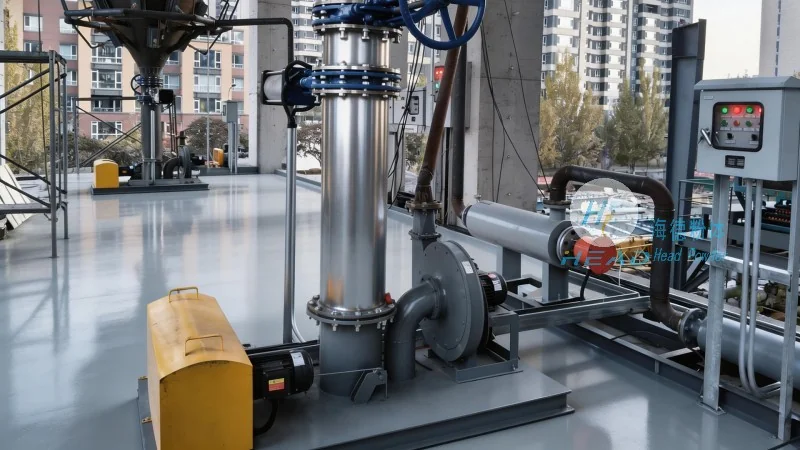
Pneumatic conveying equipment for carbide slag is widely used in various industrial settings, including chemical plants, steel mills, and power generation facilities. In a chemical plant, for example, the equipment may be used to transport carbide slag from a processing unit to a storage silo, where it can be further processed or disposed of. In a steel mill, the system can handle the slag generated during the production of steel, ensuring that it is efficiently transported to a disposal or recycling facility. In power generation plants, the equipment may be used to convey the slag from the boiler to a storage area, where it can be used as a raw material for other processes or disposed of in an environmentally responsible manner. These applications demonstrate the versatility and effectiveness of pneumatic conveying equipment in handling carbide slag in different industrial environments.

 Shandong Headpowder Engineering Co., Ltd.
 156-6277-7102(Manager Zhang)
  0531-83386006
  Zhangqiu District, Jinan City, Shandong Province, China
telephone
WeChatconsult
top