With more than 10‑year industry experience, Shandong Headpowder delivers full‑service pneumatic‑conveying systems and blowers, undertaking nationwide turn‑key powder‑handling projects.
HeadPowder, a leading provider of industrial material handling solutions, specializes in advanced pneumatic conveying systems designed for the efficient transport of acrylic rubber materials. This article explores the fundamental principles behind these systems and highlights the specific working scene characteristics that make them ideal for various industrial applications.
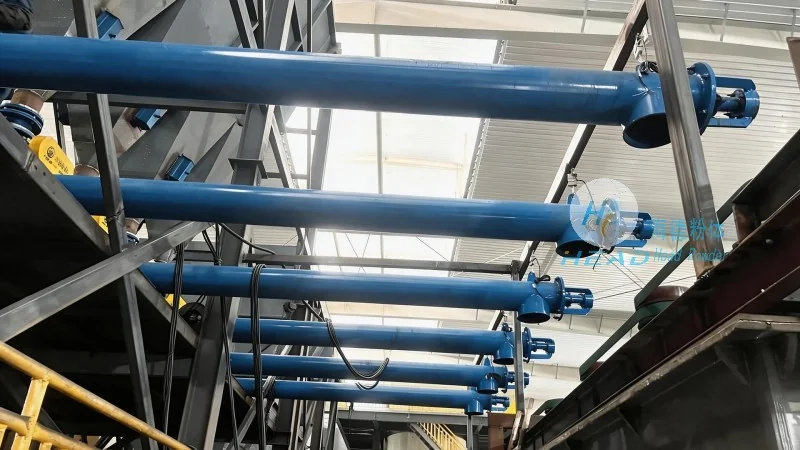
Pneumatic conveying systems operate on the principle of using air or gas to transport bulk materials through a pipeline network. In the case of acrylic rubber materials, which are often characterized by their high viscosity, abrasive properties, or tendency to agglomerate, specialized system designs are required to ensure reliable and efficient transport. The core mechanism involves creating a pressure differential between the inlet and outlet of the conveying line, typically by using a positive pressure blower or a vacuum pump. This pressure differential propels the material particles through the pipeline, often in conjunction with a carrier gas such as air or nitrogen, to maintain flow and prevent material degradation.
The effectiveness of a pneumatic conveying system for acrylic rubber materials depends on several critical components, each tailored to address the unique challenges of handling this material. These components include:
1. Material Feeders: Accurate and controlled feeding is essential to prevent blockages and ensure consistent material flow. For acrylic rubber, which can be prone to sticking, rotary valves or screw feeders with anti-adhesion coatings are commonly used to maintain smooth material discharge.
2. Conveying Lines: The pipeline design, including diameter, material, and bends, is optimized to minimize pressure drop and prevent material buildup. Stainless steel or specialized plastic-lined pipes are often preferred to resist corrosion and abrasion from the rubber particles.
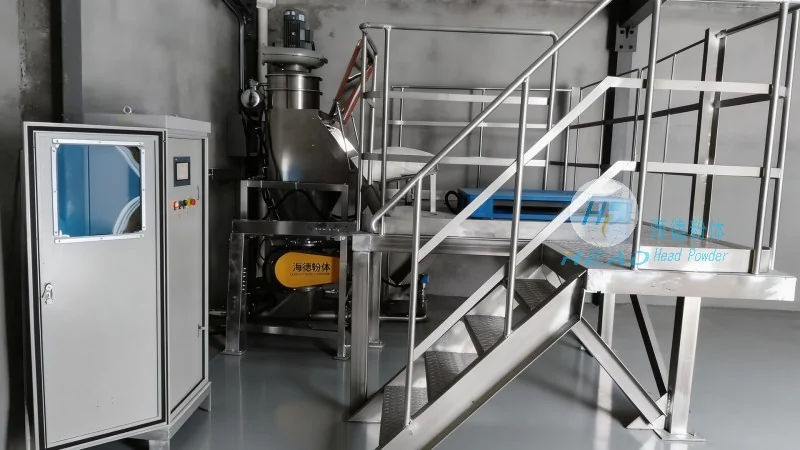
3. Pressure and Vacuum Equipment: Positive pressure blowers or vacuum pumps generate the necessary force to move the material. The choice of equipment depends on the system's capacity and the specific characteristics of the acrylic rubber, such as its density and flowability.
4. Separation and Collection Units: These components, including cyclones or filters, separate the conveyed material from the carrier gas, ensuring that the material is collected efficiently without loss or contamination.
The working scene characteristics of pneumatic conveying systems for acrylic rubber materials are influenced by several factors, including the material's physical properties, the system's operational environment, and the specific application requirements. Key characteristics include:
1. Material Handling in High-Volume Production: In industrial settings where acrylic rubber is processed in large quantities, such as in tire manufacturing or rubber product production, pneumatic conveying systems offer high throughput and continuous operation. The systems can handle large volumes of material without the need for manual intervention, improving production efficiency and reducing labor costs.
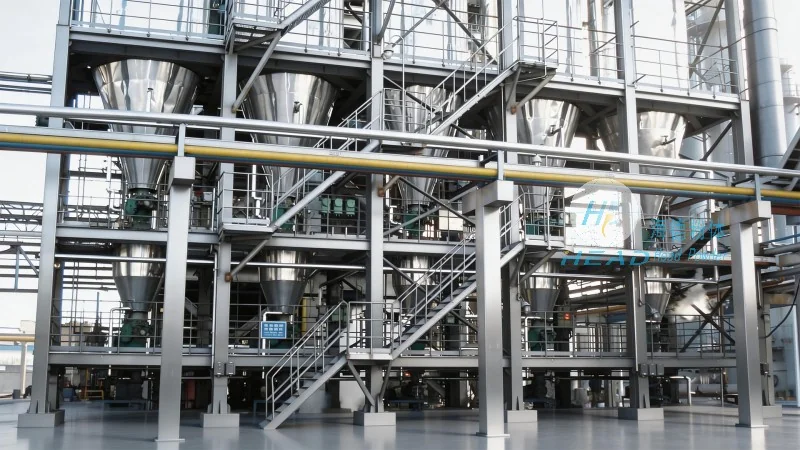
2. Handling Abrasive and Adhesive Materials: Acrylic rubber often exhibits abrasive and adhesive properties, which can cause wear on equipment and lead to material buildup. Pneumatic conveying systems are designed with robust components, such as hardened pipe interiors and specialized valves, to withstand these challenges and maintain long-term operational reliability.
3. Controlled Environment Applications: In applications where contamination control is critical, such as in pharmaceutical or food processing industries (even though acrylic rubber is not typically used in these sectors, the principle applies), pneumatic conveying systems can be integrated with closed-loop designs to prevent material exposure to the environment. This ensures that the material remains clean and free from external contaminants.
4. Flexibility in System Layout: Pneumatic conveying systems can be configured in various layouts, including straight-line, loop, or vertical configurations, to accommodate different plant layouts and space constraints. This flexibility allows for the integration of the system into existing production lines without major structural modifications.
Implementing a pneumatic conveying system for acrylic rubber materials provides several significant benefits for industrial operations. These benefits include:
1. Enhanced Safety and Hygiene: By eliminating manual handling of bulk materials, the risk of dust exposure and material contamination is reduced. This is particularly important in environments where health and safety regulations are stringent.
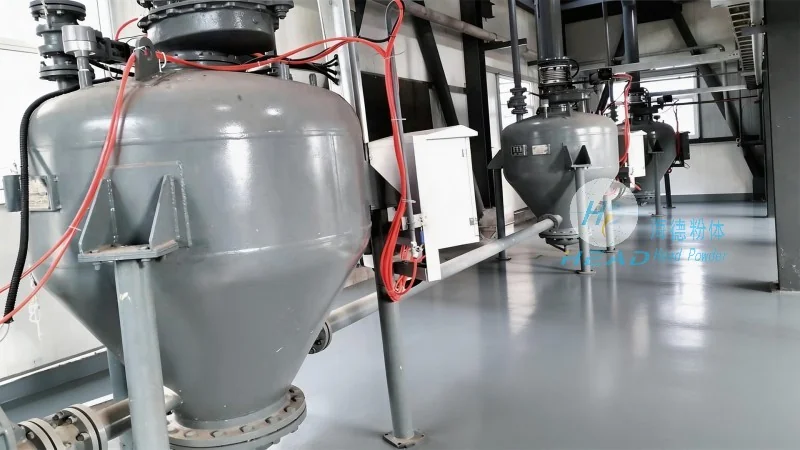
2. Improved Process Efficiency: The continuous and automated operation of pneumatic conveying systems minimizes downtime and ensures consistent material flow, leading to higher production rates and better overall process control.
3. Reduced Maintenance Costs: With fewer moving parts and a design that minimizes material buildup, the maintenance requirements for pneumatic conveying systems are lower compared to traditional mechanical conveying methods. This results in lower operational costs over the system's lifespan.
4. Energy Efficiency: Modern pneumatic conveying systems are designed to be energy-efficient, using optimized pressure differentials and efficient blower technology to reduce energy consumption while maintaining performance.
HeadPowder's pneumatic conveying systems for acrylic rubber materials represent a sophisticated solution for industrial material handling challenges. By leveraging the core principles of pneumatic transport and tailoring system components to the unique characteristics of acrylic rubber, these systems deliver reliable, efficient, and safe material transport in diverse working scenes. With a strong presence in Shandong, China, HeadPowder continues to provide tailored solutions that meet the evolving needs of industrial clients, ensuring optimal performance and operational excellence.

 Shandong Headpowder Engineering Co., Ltd.
 156-6277-7102(Manager Zhang)
  0531-83386006
  Zhangqiu District, Jinan City, Shandong Province, China
telephone
WeChatconsult
top