With more than 10‑year industry experience, Shandong Headpowder delivers full‑service pneumatic‑conveying systems and blowers, undertaking nationwide turn‑key powder‑handling projects.
HeadPowder, a leading manufacturer of pneumatic conveying systems, specializes in providing efficient and reliable solutions for handling iron powder materials. This article explores the fundamental principles behind pneumatic conveying technology and highlights the key working scene characteristics of such equipment, tailored for the iron powder industry.
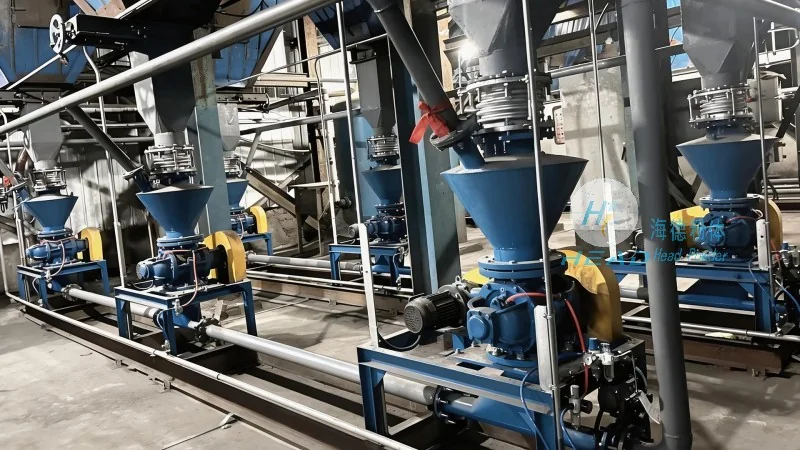
HeadPowder, or Shandong HeadPowder Engineering Co., Ltd., is headquartered in Shandong, China. With a strong commitment to innovation and quality, the company has established itself as a trusted provider of advanced material handling solutions. Our expertise lies in designing and manufacturing pneumatic conveying equipment that meets the specific demands of various industrial applications, including those involving iron powder materials.
Pneumatic conveying, also known as air conveying, is a method of transporting bulk materials through a pipeline using a stream of air. In the case of iron powder, this technology involves the use of a pressure or vacuum system to move the fine particles from the source to the destination. The core principle is based on the interaction between the material and the air flow, which creates a suspension of the powder in the air. This suspension allows the iron powder to be transported efficiently without the need for mechanical components like belts or buckets.

The working scene characteristics of pneumatic conveying equipment for iron powder materials are tailored to address the unique challenges of handling fine, abrasive, and potentially reactive powders. These characteristics include:
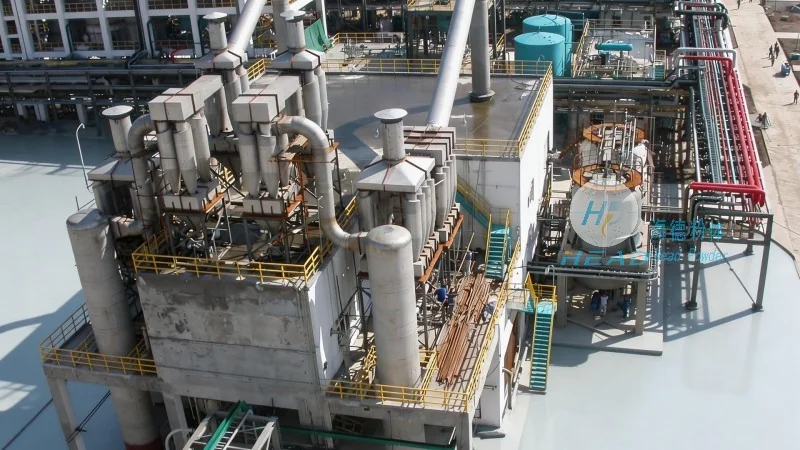
Pneumatic conveying equipment for iron powder is widely used in various industrial applications. Some common working scene characteristics include:
HeadPowder's pneumatic conveying equipment for iron powder materials combines advanced technology with practical working scene characteristics, providing an efficient and reliable solution for material handling. By understanding the principles of pneumatic conveying and the specific needs of iron powder applications, industries can optimize their production processes, reduce costs, and enhance overall operational efficiency. With a strong presence in Shandong, China, HeadPowder continues to deliver high-quality solutions that meet the evolving demands of the material handling industry.

 Shandong Headpowder Engineering Co., Ltd.
 156-6277-7102(Manager Zhang)
  0531-83386006
  Zhangqiu District, Jinan City, Shandong Province, China
telephone
WeChatconsult
top