With more than 10‑year industry experience, Shandong Headpowder delivers full‑service pneumatic‑conveying systems and blowers, undertaking nationwide turn‑key powder‑handling projects.
Cement slurry material handling is a critical process in various industrial applications, particularly in construction and mining sectors. It involves the transportation of cement-based slurries, which are mixtures of cement, water, and other additives, often used for grouting, backfilling, or as a binder in different engineering projects. Understanding the mechanisms and design principles behind this process is essential for optimizing efficiency, ensuring safety, and maintaining the quality of the final construction or mining operations.
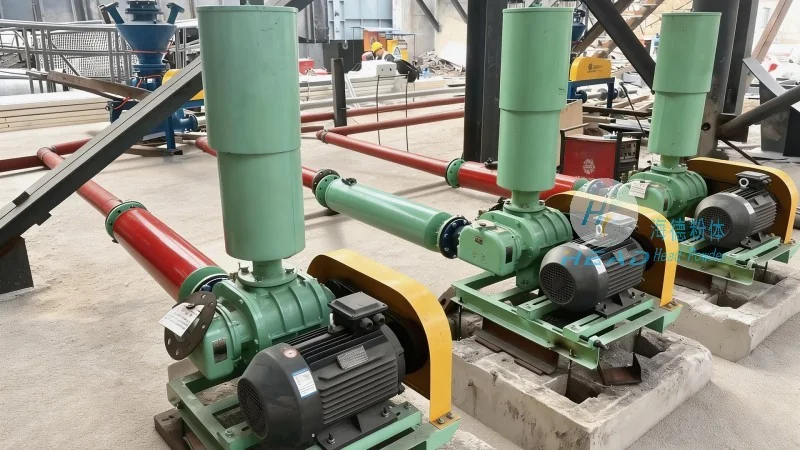
Cement slurry material handling refers to the methods and systems used to transport, store, and manage cement-based slurries from their production point to the application site. These slurries are typically thick, viscous mixtures that require specialized equipment to handle effectively. The primary goal of this process is to ensure that the slurry reaches its destination without segregation, degradation, or loss of properties, which could compromise the structural integrity of the final product.
The successful handling of cement slurry relies on a combination of components and equipment designed to manage the unique properties of these mixtures. Key elements include slurry pumps, which are engineered to handle the high viscosity and abrasive nature of cement slurries. These pumps often use positive displacement or centrifugal designs, depending on the specific application and flow requirements. Additionally, pipelines and hoses made from materials resistant to corrosion and abrasion, such as stainless steel or specialized rubber compounds, are used to transport the slurry over long distances or through complex layouts.
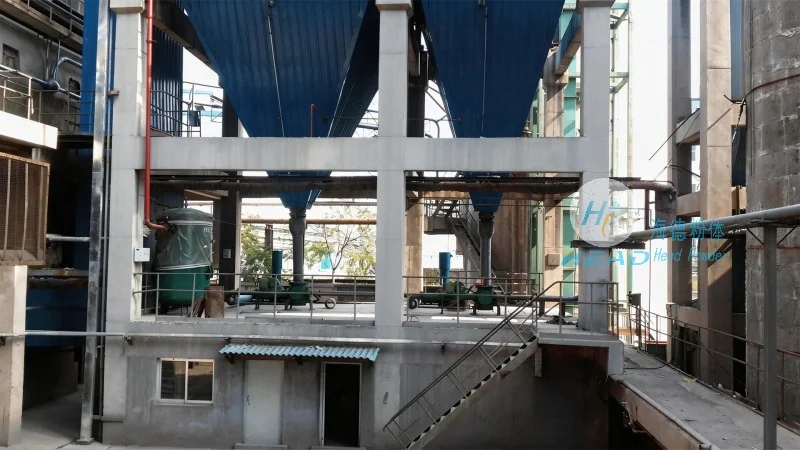
The design of cement slurry handling systems follows several fundamental principles aimed at maximizing efficiency and minimizing operational issues. One of the most critical principles is maintaining a consistent flow rate and pressure throughout the system. This is achieved by carefully selecting pump capacities, pipeline diameters, and control valves that can handle the specific viscosity and density of the slurry. Proper design also involves considering the potential for sedimentation or separation of solids within the slurry, which can lead to clogging or reduced performance. To mitigate this, systems often incorporate agitators or mixers to keep the slurry homogeneous during transport.
Shandong HeadPowder Engineering Co., Ltd. specializes in providing comprehensive solutions for cement slurry material handling. With a focus on engineering excellence and customer-centric design, HeadPowder offers a range of equipment and systems tailored to the specific needs of construction and mining projects. The company’s expertise lies in designing and manufacturing high-quality slurry pumps, pipelines, and control systems that meet the demanding requirements of modern industrial applications. By leveraging advanced materials and engineering techniques, HeadPowder ensures that its products deliver reliable performance, long service life, and minimal maintenance, helping clients optimize their operational efficiency and reduce costs.
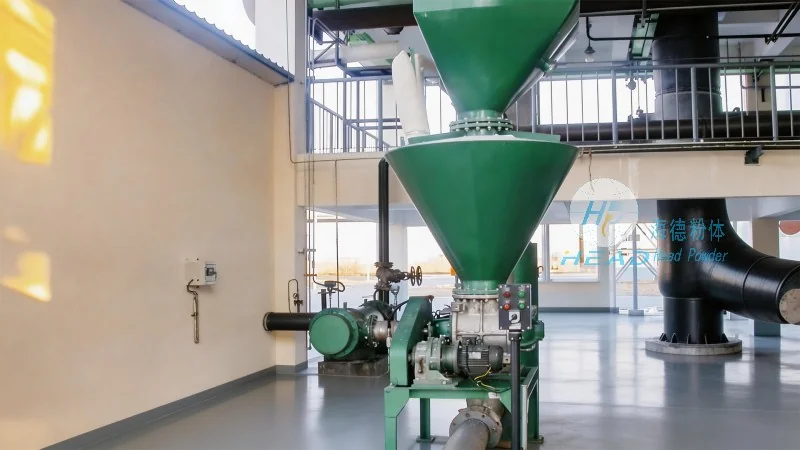
Despite the advancements in cement slurry handling technology, several challenges remain that can impact system performance. One common issue is the risk of clogging in pipelines due to the abrasive nature of the slurry and the presence of solid particles. To address this, HeadPowder incorporates features such as anti-wear coatings and self-cleaning mechanisms in its equipment. Another challenge is maintaining the homogeneity of the slurry during long-distance transport, which can lead to variations in strength and consistency at the application site. HeadPowder’s design principles, including the use of agitators and optimized pipeline layouts, help mitigate these issues, ensuring that the slurry remains stable and effective throughout the handling process.
In conclusion, cement slurry material handling is a complex but essential process that requires careful consideration of both the physical properties of the slurry and the design of the handling systems. By adhering to established principles and leveraging advanced technology, such as those offered by Shandong HeadPowder Engineering Co., Ltd., industrial operations can achieve efficient, reliable, and cost-effective transportation of cement slurries. The proper design and maintenance of these systems not only enhance the quality of the final construction or mining project but also contribute to overall operational safety and sustainability.

 Shandong Headpowder Engineering Co., Ltd.
 156-6277-7102(Manager Zhang)
  0531-83386006
  Zhangqiu District, Jinan City, Shandong Province, China
telephone
WeChatconsult
top