With more than 10‑year industry experience, Shandong Headpowder delivers full‑service pneumatic‑conveying systems and blowers, undertaking nationwide turn‑key powder‑handling projects.
In the realm of advanced material processing, a specific case study from Ottawa, Canada, highlights the critical need for specialized material handling solutions. A major industry player required a reliable method to transport nanoparticle silica powder. This is where the concept of a pneumatic conveying case becomes essential. The requirement was not merely about moving a bulk material; it was about preserving the integrity and purity of the product during transit. Nanoparticle silica, due to its microscopic size, presents unique challenges that standard handling equipment cannot overcome. This project serves as a benchmark for high-precision material transfer systems, demonstrating how tailored engineering can solve complex logistical problems in the chemical and manufacturing sectors.
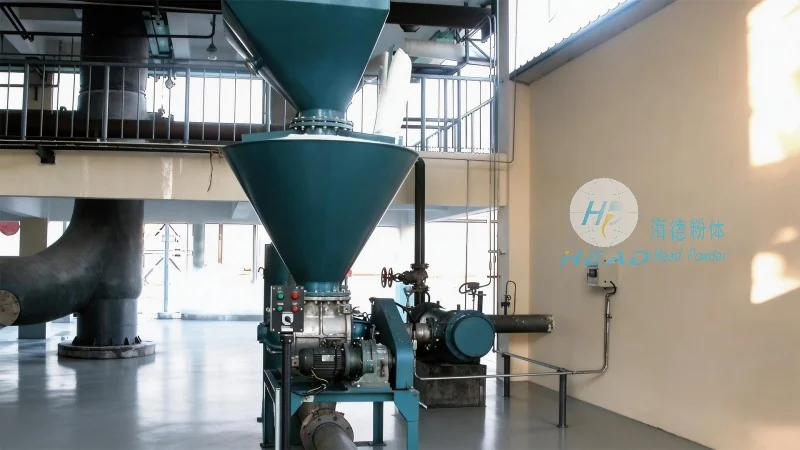
Transporting nanoparticle silica powder is significantly different from handling traditional bulk materials like cement or sand. The particles are in the nanometer range, resulting in an extremely high specific surface area and high chemical activity. These characteristics make the powder prone to agglomeration, electrostatic charging, and environmental sensitivity. A generic conveying system would likely lead to product loss, equipment blockages, or contamination. Therefore, the project demanded a specialized approach to nanopowder conveying. The system had to be designed to manage the flow of these fine particles without causing them to clump together or adhere to the interior of the piping, ensuring that the final output matched the strict quality standards required by the client.
Shandong Headpowder Engineering Co., Ltd. undertook the challenge to design and implement a robust pneumatic conveying system for the Canadian client. Our team conducted a thorough analysis of the Ottawa facility’s layout and the specific physical properties of the silica powder. We developed a custom solution that prioritizes material integrity and system efficiency. By utilizing advanced pneumatic conveying technology, we created a closed-loop system that minimizes dust leakage—a critical factor when dealing with fine, potentially hazardous powders. The design focuses on maintaining a consistent flow rate and pressure, which are essential for preventing the nanoparticle silica from settling or forming bridges within the transfer lines.
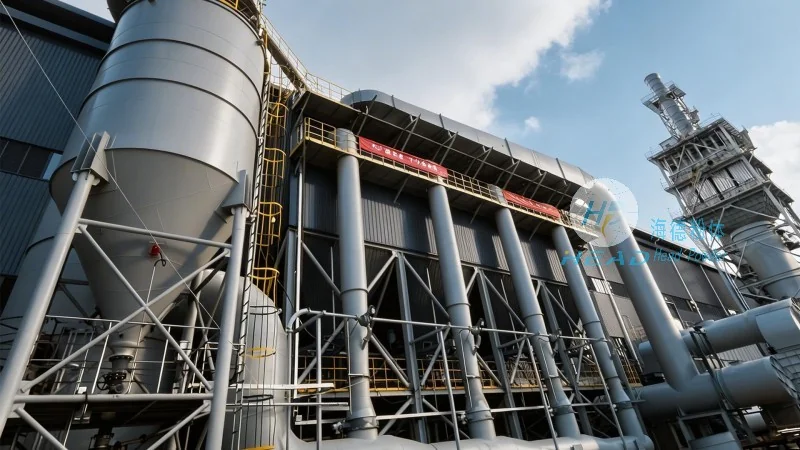
This project is a prime example of our capabilities in North America pneumatic conveying. We understand that different geographical regions and industrial environments require specific adaptations. Our engineers ensured that the system installed in Ottawa was compliant with international safety standards while being robust enough to handle the local operating conditions. The solution provided by Shandong Headpowder Engineering Co., Ltd. is not just a piece of machinery; it is a comprehensive engineering service that addresses the unique friction and flow dynamics of nanoparticle silica. The system ensures that the powder remains suspended in the air stream effectively, allowing for a smooth and uninterrupted transfer from the storage silos to the processing units.
The implementation of the Headpowder system has delivered exceptional results for the client. The system operates with high reliability, drastically reducing the manual intervention required for material handling. By automating the transfer process, the client has seen a significant increase in production efficiency and a reduction in labor costs associated with manual scooping or bagging. Furthermore, the closed system prevents the escape of fine dust into the environment, ensuring a safer workplace for the operators. The durability of the equipment means low maintenance costs over the long term, making it a cost-effective investment for any facility dealing with fine powders.
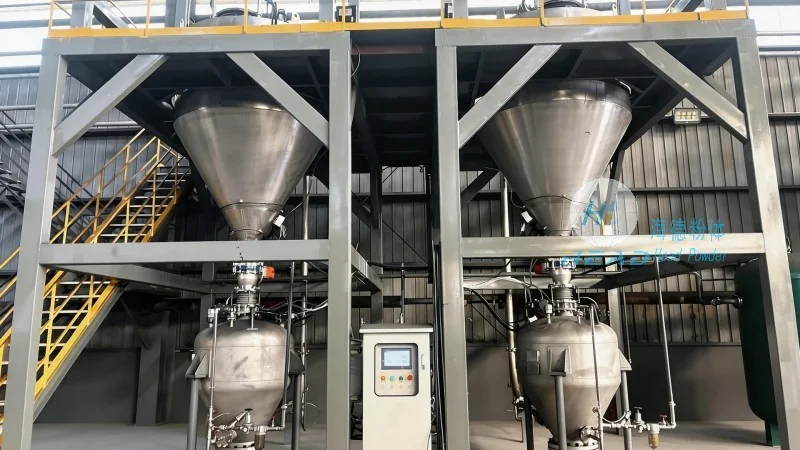
Shandong Headpowder Engineering Co., Ltd. is a leading enterprise dedicated to the research, development, and manufacturing of powder handling equipment. Headquartered in Shandong, China, we have built a strong reputation for delivering high-quality solutions for the global market. Our expertise lies in the field of nanopowder conveying, and we have successfully completed numerous projects across various industries, including chemicals, pharmaceuticals, and food processing. We pride ourselves on our technical innovation and our commitment to customer satisfaction, ensuring that every project we undertake meets the highest standards of quality and performance.
For companies looking to optimize their material handling processes, understanding the specific needs of your powder is the first step toward success. If you are interested in learning more about how a customized pneumatic conveying system can benefit your operations, we invite you to reach out to our team. Our project manager, Mr. Zhang, is available to discuss your specific requirements and provide expert guidance. You can contact Mr. Zhang directly via WeChat at 15662777102. We look forward to collaborating with you to design a solution that drives efficiency and quality for your business.

 Shandong Headpowder Engineering Co., Ltd.
 156-6277-7102(Manager Zhang)
  0531-83386006
  Zhangqiu District, Jinan City, Shandong Province, China
telephone
WeChatconsult
top