With more than 10‑year industry experience, Shandong Headpowder delivers full‑service pneumatic‑conveying systems and blowers, undertaking nationwide turn‑key powder‑handling projects.
When it comes to the efficient and reliable transport of kaolin—a key raw material in various industries such as ceramics, paper, and coatings—pneumatic conveying technology has emerged as a leading solution. The process involves using air to move dry bulk materials like kaolin through a system of pipes and equipment. For companies operating in the kaolin sector, optimizing this technology is crucial to enhance productivity, reduce operational costs, and ensure product quality. This article explores the application and optimization of pneumatic conveying systems specifically tailored for kaolin transport, highlighting the expertise of Shandong HeadPowder Engineering Co., Ltd., a leading provider in the field.
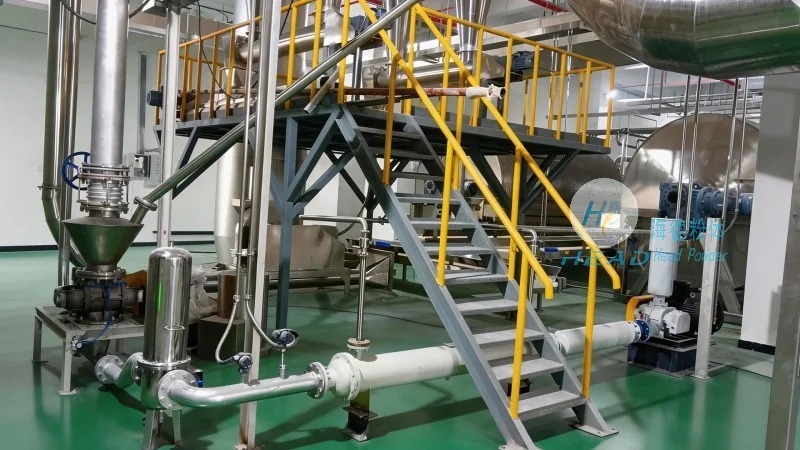
Kaolin, also known as china clay, is a soft, white, clay mineral composed mainly of hydrated aluminum silicates. It is widely used in the production of high-quality ceramics, paper, and as a filler in various industrial applications. However, the nature of kaolin presents unique challenges during transport. Its fine particle size, low bulk density, and tendency to agglomerate can lead to issues such as blockages, uneven flow, and increased wear on equipment. Traditional methods like belt conveyors or bucket elevators may struggle with these characteristics, making pneumatic conveying a more suitable choice for many kaolin processing facilities.
Pneumatic conveying systems operate by creating a pressure differential to move kaolin particles through a pipeline. There are two primary types: pressure and vacuum systems. In pressure systems, a positive pressure is applied at the inlet, pushing the material through the line using compressed air. Vacuum systems, on the other hand, create a negative pressure at the inlet, drawing the material into the pipeline. For kaolin, pressure systems are often preferred due to their ability to handle higher material loads and maintain consistent flow rates. The system typically includes components such as a hopper, feeder, air compressor, and pipeline network, all designed to work in harmony to ensure smooth material transport.
Implementing pneumatic conveying for kaolin transport offers several advantages that contribute to operational efficiency and cost savings. First, it eliminates the need for multiple transfer points and intermediate storage, reducing the risk of contamination and material loss. Second, the enclosed system prevents dust emissions, which is critical for maintaining a safe and clean working environment. Third, it allows for precise control over flow rates and pressure, ensuring consistent material handling. Additionally, pneumatic conveying can handle kaolin with varying moisture content and particle sizes without causing clogging or degradation of the material. These benefits make it an attractive option for companies looking to improve their kaolin processing operations.
While pneumatic conveying offers significant benefits, optimizing the system is essential to maximize performance and minimize downtime. Shandong HeadPowder Engineering Co., Ltd. specializes in designing and implementing customized solutions that address the specific needs of kaolin transport. Key optimization strategies include:
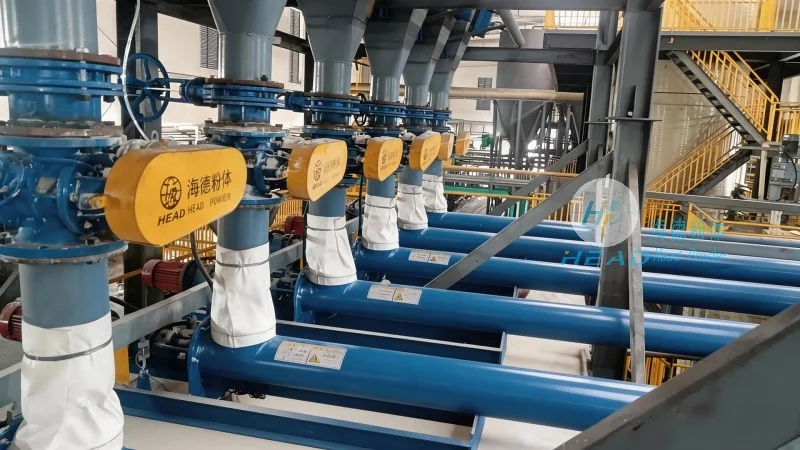
1. **System Sizing and Layout**: Properly sizing the pipeline diameter, length, and pressure drop is critical to ensure efficient material transport. The layout must consider the distance between the source and destination, as well as any obstacles or changes in elevation.
2. **Feeder and Hopper Design**: The feeder and hopper are crucial components that affect the flow of kaolin. Using high-quality, low-wear materials and properly designed hoppers can prevent material buildup and ensure consistent feeding.
3. **Air Compressor Selection**: Choosing the right air compressor is essential for maintaining optimal pressure and flow rates. Variable frequency drives (VFDs) can be used to adjust air pressure based on demand, reducing energy consumption.
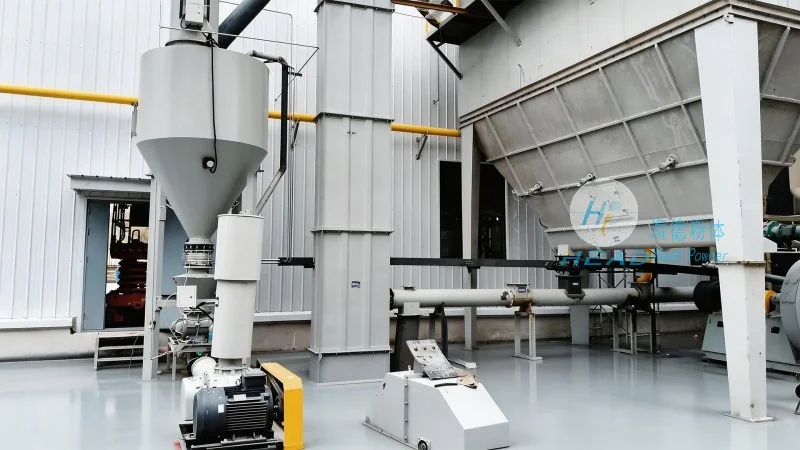
4. **Material Handling and Cleaning**: Regular maintenance and cleaning of the pipeline and equipment are necessary to prevent clogging and ensure long-term system reliability. This includes using cleaning tools and scheduling routine inspections.
5. **Integration with Process Control**: Integrating the pneumatic conveying system with the overall process control system allows for real-time monitoring and adjustment, improving overall operational efficiency.
Shandong HeadPowder Engineering Co., Ltd. has successfully implemented optimized pneumatic conveying systems for several kaolin processing facilities. For example, one client, a large ceramics manufacturer, experienced significant improvements after upgrading their existing system. The new system, designed by HeadPowder, reduced material handling time by 30% and lowered energy consumption by 20%. The enclosed design also eliminated dust emissions, improving workplace safety and reducing cleanup costs. Another client, a paper mill, saw a 25% increase in production capacity by implementing a pressure pneumatic conveying system that handled their kaolin feed more efficiently. These case studies demonstrate the effectiveness of HeadPowder's expertise in optimizing kaolin transport through pneumatic conveying technology.
As the demand for kaolin continues to grow, the need for efficient and reliable transport systems becomes increasingly important. Pneumatic conveying technology, when properly designed and optimized, offers a superior solution for handling kaolin's unique characteristics. Companies like Shandong HeadPowder Engineering Co., Ltd. play a vital role in providing tailored solutions that enhance operational performance and reduce costs. By leveraging advanced engineering and expertise, these companies help kaolin processors achieve their production goals while maintaining high standards of quality and safety. The application and optimization of pneumatic conveying technology in kaolin transport are not just a trend but a necessity for staying competitive in today's industrial landscape.

 Shandong Headpowder Engineering Co., Ltd.
 156-6277-7102(Manager Zhang)
  0531-83386006
  Zhangqiu District, Jinan City, Shandong Province, China
telephone
WeChatconsult
top