With more than 10‑year industry experience, Shandong Headpowder delivers full‑service pneumatic‑conveying systems and blowers, undertaking nationwide turn‑key powder‑handling projects.
Food powder conveying lines are essential systems used in the food processing industry to transport bulk powders efficiently and safely. These systems are designed to handle various types of food powders, such as flour, sugar, spices, and other dry ingredients, ensuring that the material is moved from one processing stage to another without contamination or degradation. The core of a food powder conveying line lies in its ability to maintain product integrity while optimizing operational efficiency.
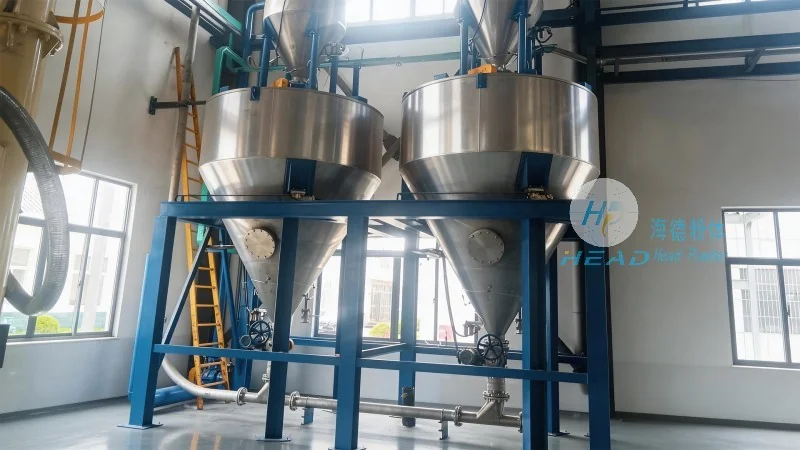
At the heart of a food powder conveying line are several critical components that work in tandem to achieve effective material handling. These components include feeders, conveyors, control systems, and dust collection units. Each component plays a specific role in the overall operation of the system. For instance, feeders are responsible for regulating the flow of powder from the storage silo or hopper into the conveyor. They ensure a consistent and controlled feed rate, which is crucial for preventing overloading or underloading of the conveyor. Conveyors, on the other hand, are the primary means of transporting the powder through the system. There are various types of conveyors used in food powder handling, including screw conveyors, pneumatic conveyors, and belt conveyors, each with its own advantages and suitable applications.
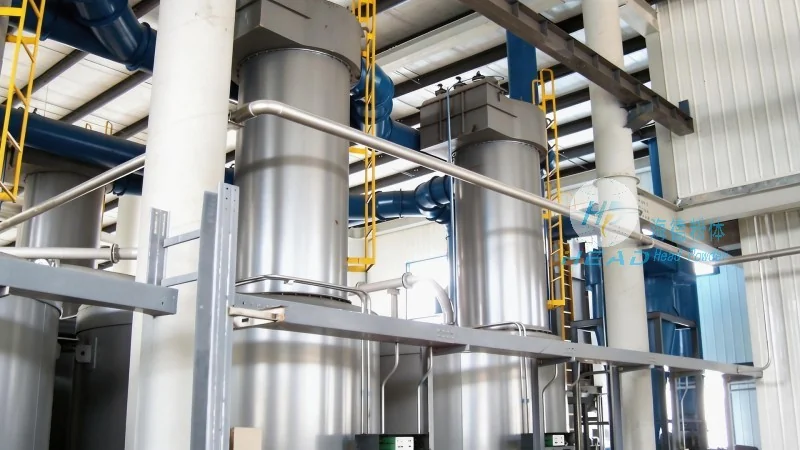
The design of a food powder conveying line is guided by several key principles aimed at maximizing efficiency, safety, and product quality. One of the primary principles is the minimization of material degradation. This involves using materials that are non-corrosive and non-reactive with the food powders being handled. For example, stainless steel is commonly used for the construction of conveyor components to prevent contamination and ensure easy cleaning. Another important principle is the prevention of product segregation. Segregation occurs when different particle sizes or densities of the powder separate during transport, which can affect the uniformity of the final product. To address this, designers incorporate features like baffles or agitators in the conveyor system to maintain a homogeneous mixture throughout the conveying process.
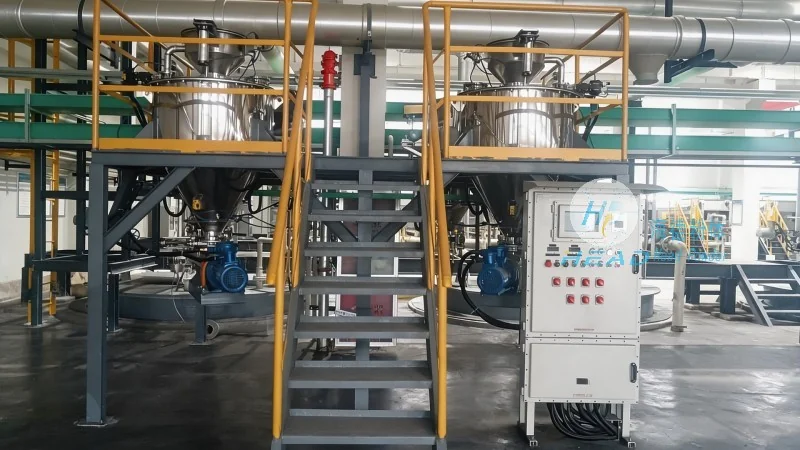
Shandong HeadPowder Engineering Co., Ltd., a leading manufacturer in the field, specializes in designing and manufacturing high-quality food powder conveying lines. With years of experience and a deep understanding of the food processing industry's unique requirements, HeadPowder offers tailored solutions that meet the specific needs of each client. The company's team of engineers and technicians work closely with clients to assess their operational needs, process parameters, and quality standards to develop customized conveying systems. HeadPowder's products are known for their durability, reliability, and compliance with industry regulations, ensuring that they can be used in food processing facilities without compromising safety or product quality.
Despite the advancements in conveying technology, food powder handling still presents several challenges that must be addressed to ensure smooth operations. One of the most common challenges is the prevention of dust accumulation and explosion hazards. Food powders, especially those with high oil content or flammable characteristics, can create dust clouds that pose a significant fire and explosion risk. To mitigate this, food powder conveying lines are equipped with effective dust collection systems, such as cyclone separators and baghouse filters, which capture and remove dust particles from the air before it is released into the environment. Another challenge is the prevention of product contamination. This is achieved through the use of sealed systems, stainless steel components, and regular cleaning protocols. HeadPowder's designs incorporate these features to ensure that the conveyed powders remain free from contaminants throughout the process.
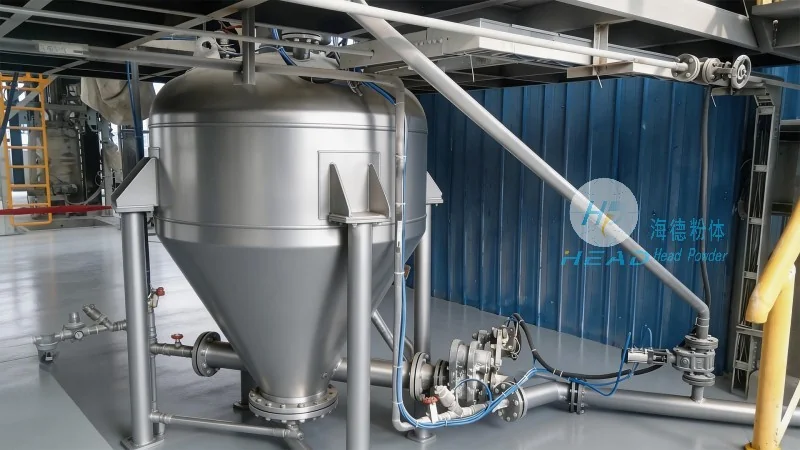
In conclusion, food powder conveying lines are critical infrastructure in the food processing industry, enabling the efficient and safe movement of bulk powders. The design principles behind these systems focus on maintaining product integrity, ensuring operational efficiency, and adhering to safety and regulatory standards. Companies like Shandong HeadPowder Engineering Co., Ltd. play a vital role in providing advanced conveying solutions that meet the evolving needs of the food industry. By investing in well-designed and properly maintained food powder conveying lines, food processing facilities can enhance their productivity, reduce operational costs, and ensure the quality and safety of their products.

 Shandong Headpowder Engineering Co., Ltd.
 156-6277-7102(Manager Zhang)
  0531-83386006
  Zhangqiu District, Jinan City, Shandong Province, China
telephone
WeChatconsult
top