

Pros and Cons of Negative Pressure and Positive Pressure Pneumatic Conveying for Pea Transportation
When it comes to transporting peas efficiently, selecting the right pneumatic conveying system is crucial. Two primary methods dominate the industry: negative pressure (or vacuum) conveying and positive pressure conveying. Each has its own set of advantages and disadvantages, which can significantly impact operational efficiency, cost, and product quality. This article provides a detailed comparison of these two approaches, focusing on their applications in pea transportation and the factors that influence their suitability for different scenarios.
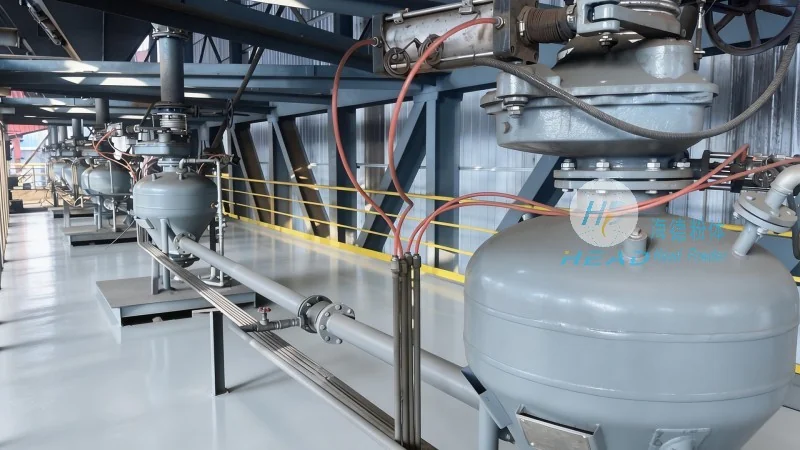
Introduction to Pneumatic Conveying Systems
Pneumatic conveying systems use air or gas to transport bulk materials like peas through a pipeline. The choice between negative and positive pressure systems depends on various factors, including the material's characteristics, distance of transport, and the desired level of control over the conveying process. Both systems have been widely used in the agricultural and food processing sectors, particularly for handling delicate products such as peas, which require gentle handling to maintain their quality.
Company Profile: Shandong HeadPowder Engineering Co., Ltd.
As a leading provider of pneumatic conveying solutions, Shandong HeadPowder Engineering Co., Ltd. specializes in designing and manufacturing systems tailored to the unique needs of the food processing industry. With a strong commitment to quality and innovation, HeadPowder has established itself as a trusted partner for companies looking to optimize their material handling processes. Based in Shandong, China, the company leverages its expertise to deliver reliable and efficient conveying systems that meet the highest standards of performance and safety.
Negative Pressure (Vacuum) Pneumatic Conveying for Peas
Negative pressure conveying operates by creating a vacuum at the receiving end of the system, which draws the pea material from the source into the pipeline. This method is particularly effective for transporting materials from multiple points to a single collection point, as it can handle material from various sources without the need for separate discharge points at each source. One of the key advantages of negative pressure systems is their ability to handle fine or dusty materials without causing excessive wear on the equipment. Additionally, the lower air velocity required in vacuum systems reduces the risk of product degradation and ensures a gentler handling process, which is essential for maintaining the quality of peas.
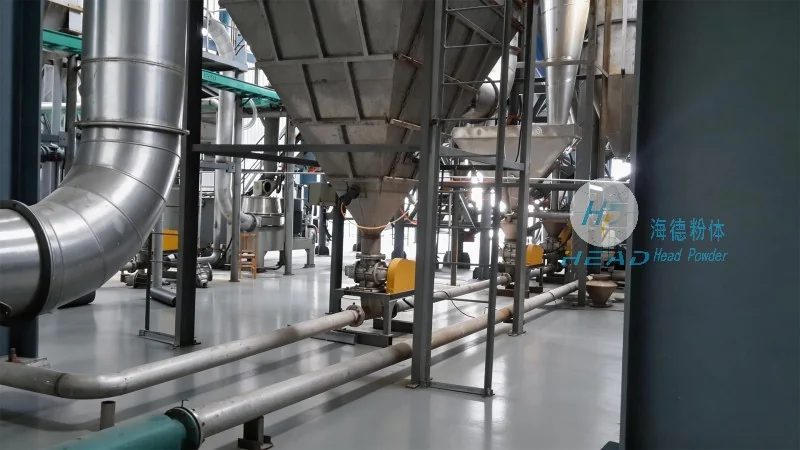
However, negative pressure conveying also has its limitations. The primary drawback is the higher energy consumption compared to positive pressure systems, as the vacuum pump must work continuously to maintain the pressure differential. This can lead to increased operational costs, especially over long distances or with high material volumes. Another challenge is the potential for material buildup in the pipeline, which can cause blockages and require regular maintenance to prevent system downtime. Furthermore, the system's performance can be affected by changes in ambient conditions, such as temperature and humidity, which may impact the air density and thus the conveying efficiency.
Positive Pressure Pneumatic Conveying for Peas
Positive pressure conveying, on the other hand, uses a blower or fan to generate pressure at the source end of the system, pushing the pea material through the pipeline. This method is ideal for applications where the material needs to be transported from a single source to multiple discharge points, as it allows for easy distribution to different locations. One of the main advantages of positive pressure systems is their lower energy consumption compared to vacuum systems, making them more cost-effective for long-distance or high-volume transport. The higher air velocity in positive pressure systems also enables faster conveying rates, which can improve overall production efficiency.
Despite these benefits, positive pressure conveying has its own set of challenges. The high air velocity can lead to increased wear on the pipeline and equipment, particularly if the pea material is abrasive or contains foreign objects. This may require more frequent maintenance and replacement of components, increasing long-term costs. Additionally, the system is more susceptible to material blockages, especially if the pea material is sticky or has a high moisture content, which can cause clogs and disrupt the conveying process. Another consideration is the potential for product degradation due to the higher air velocity and pressure, which may affect the quality of the peas, especially if they are delicate or have a short shelf life.
Comparative Analysis: Which System is Better for Pea Transportation?
When deciding between negative and positive pressure pneumatic conveying for pea transportation, several factors must be considered. The first is the distance and layout of the transport system. For short distances with multiple source points feeding into a single collection point, negative pressure systems may be more suitable due to their ability to handle material from various locations. Conversely, for long-distance transport from a single source to multiple destinations, positive pressure systems are often preferred due to their higher conveying rates and lower energy costs.
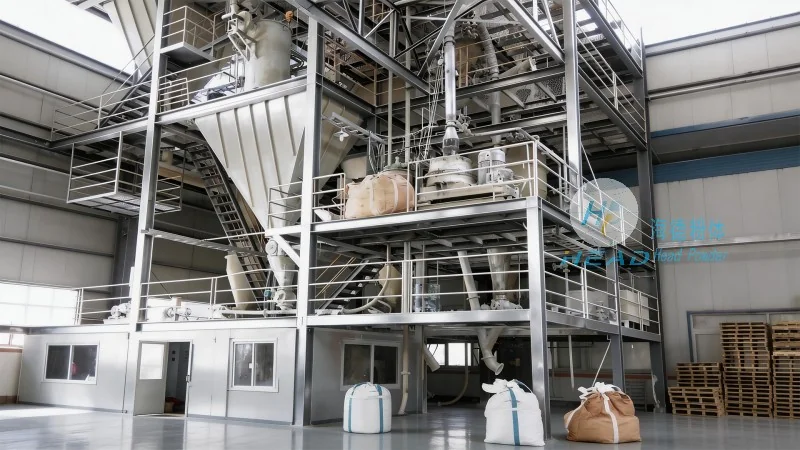
Another critical factor is the material characteristics of the peas. If the peas are fine, dusty, or prone to degradation, negative pressure systems may offer better protection due to their gentler handling and lower air velocity. However, if the peas are coarse or require faster transport, positive pressure systems may be more appropriate. The presence of sticky or high-moisture peas may also influence the choice, as positive pressure systems may be more prone to blockages.
Operational costs and maintenance requirements are also important considerations. Negative pressure systems generally have higher energy costs due to the continuous operation of the vacuum pump, but they may require less maintenance as the lower air velocity reduces wear on components. Positive pressure systems, while more energy-efficient, may require more frequent maintenance due to higher wear rates and a higher risk of blockages.
Conclusion
In conclusion, both negative pressure and positive pressure pneumatic conveying systems have their own strengths and weaknesses when it comes to pea transportation. The choice between the two depends on a variety of factors, including the specific application, material characteristics, and operational requirements. By carefully evaluating these factors, companies can select the most suitable system to optimize their pea handling processes, ensuring efficiency, cost-effectiveness, and product quality. Shandong HeadPowder Engineering Co., Ltd. offers a range of pneumatic conveying solutions tailored to meet these diverse needs, helping businesses in the food processing industry achieve their operational goals with reliability and performance.