With more than 10‑year industry experience, Shandong Headpowder delivers full‑service pneumatic‑conveying systems and blowers, undertaking nationwide turn‑key powder‑handling projects.
For manufacturers in the cereal and food processing industry, efficient and reliable powder handling systems are crucial to maintaining production efficiency and product quality. A key component in this field is the cereal powder conveying line, which is designed to transport bulk cereal powders from one point to another within a production facility. Understanding the function and design principles of such a system is essential for optimizing operations and ensuring smooth workflow. This article will explore the fundamental aspects of cereal powder conveying lines, including their purpose, key components, and the underlying design principles that make them effective.
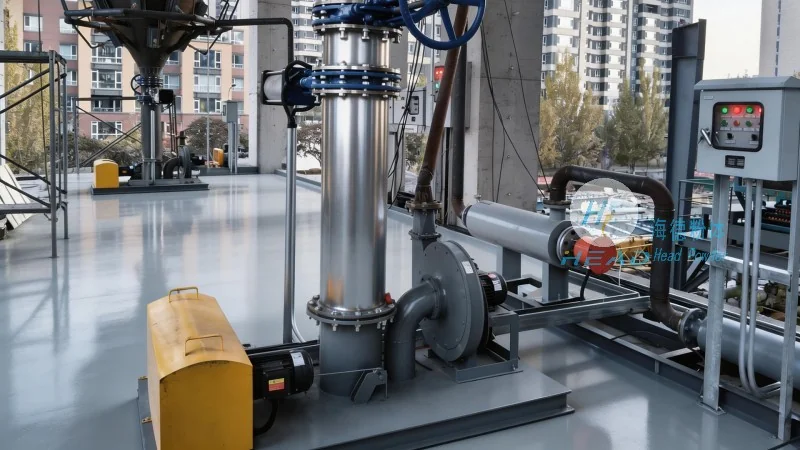
A cereal powder conveying line is a specialized system engineered to handle the transportation of cereal powders, such as wheat flour, cornmeal, oats, or other grain-based powders. These systems are typically used in large-scale food processing plants, where the efficient movement of bulk powders is critical for production continuity. The primary goal of a conveying line is to move powders from storage silos or processing units to packaging areas, blending stations, or other processing equipment without causing degradation, segregation, or contamination. The design of these systems must consider several factors, including the physical properties of the powder, the required throughput, and the overall layout of the production facility.
The effectiveness of a cereal powder conveying line depends on its integrated components, each serving a specific function to ensure smooth and reliable operation. The main components typically include:
1. Feed Hoppers and Feeders: These are the initial components that receive the cereal powder from storage silos or raw material bins. Feed hoppers are designed to hold a sufficient quantity of powder to maintain a consistent flow to the feeder. The feeder, often a rotary or vibratory type, regulates the flow rate of the powder into the conveying system, ensuring a steady and controlled feed. This step is critical to prevent overloading or underloading of the conveyor, which can lead to inefficiencies or equipment damage.
2. Conveying Equipment: This is the core of the system, responsible for the actual movement of the powder. Common types of conveying equipment include pneumatic conveyors (like pressure or vacuum systems) and mechanical conveyors (such as screw conveyors, belt conveyors, or bucket elevators). Pneumatic systems use air pressure to transport powders through a pipeline, while mechanical systems rely on physical movement (e.g., rotating screws or belts) to move the material. The choice of equipment depends on factors like the powder's moisture content, particle size, and the distance to be covered. For example, screw conveyors are ideal for horizontal or slight incline transport, while bucket elevators are suitable for vertical lifting.
3. Diverters and Branching Units: These components allow the conveying line to split or merge the powder flow. Diverters are used to direct the powder to different destinations, such as separate packaging lines or blending stations. Branching units enable the system to handle multiple product streams simultaneously, increasing flexibility and operational efficiency. This is particularly useful in facilities that process different types of cereal powders or need to route powders to various processing stages.
4. Filters and Dust Collectors: Given that cereal powders are fine and can generate dust, proper filtration is essential to maintain air quality and prevent product contamination. Filters and dust collectors are integrated into the system to capture and remove airborne particles, ensuring a clean and safe working environment. This is especially important in food processing facilities where hygiene standards are stringent.
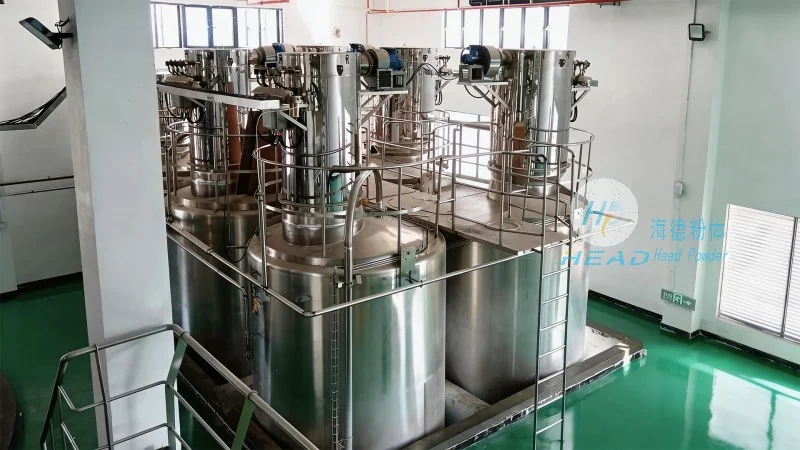
5. Control Systems: Modern cereal powder conveying lines are equipped with advanced control systems that monitor and regulate the operation of all components. These systems use sensors to detect flow rates, pressure, and temperature, and can automatically adjust settings to maintain optimal performance. Control systems also include safety features to prevent overloading, blockages, or other malfunctions, ensuring the system operates safely and efficiently.
The design of a cereal powder conveying line is based on several key principles that ensure the system operates effectively and reliably. These principles are tailored to the specific characteristics of cereal powders and the requirements of the production process. The main design principles include:
1. Preventing Segregation: Cereal powders often have varying particle sizes and densities, which can lead to segregation during handling. Segregation occurs when larger or heavier particles separate from smaller or lighter ones, affecting the uniformity of the final product. To prevent this, conveying lines are designed with smooth, continuous flow paths and minimal changes in direction. Additionally, some systems use vibration or agitation to maintain a uniform mixture of the powder throughout the conveying process.
2. Minimizing Product Degradation: Cereal powders can be sensitive to temperature and mechanical stress, which may cause degradation, such as clumping or loss of nutritional value. The design of the conveying line aims to minimize these factors. For instance, the use of low-speed mechanical conveyors reduces the impact on the powder, while pneumatic systems maintain a controlled temperature by using ambient air or cooled air. Proper insulation and temperature control of the conveying lines are also essential to prevent heat buildup.
3. Ensuring Hygiene and Cleanliness: In food processing, maintaining hygiene is paramount. The design of the conveying line incorporates features that facilitate easy cleaning and prevent product contamination. Components such as hoppers, conveyors, and piping are made from food-grade materials like stainless steel, which are non-corrosive and easy to sanitize. The system is also designed with smooth surfaces and minimal dead zones to prevent the accumulation of powder and bacteria. Regular cleaning and maintenance are also part of the design principles to ensure long-term hygiene compliance.
4. Optimizing Throughput and Efficiency: The design of the conveying line is optimized to achieve the required throughput while minimizing energy consumption and operational costs. This involves selecting the appropriate conveying equipment based on the powder's properties and the distance to be covered. For example, a long horizontal transport may use a screw conveyor with a larger diameter to reduce friction and increase efficiency, while a vertical lift may use a bucket elevator with high capacity. The control system also plays a role in optimizing efficiency by adjusting the feed rate and conveyor speed based on real-time demand.
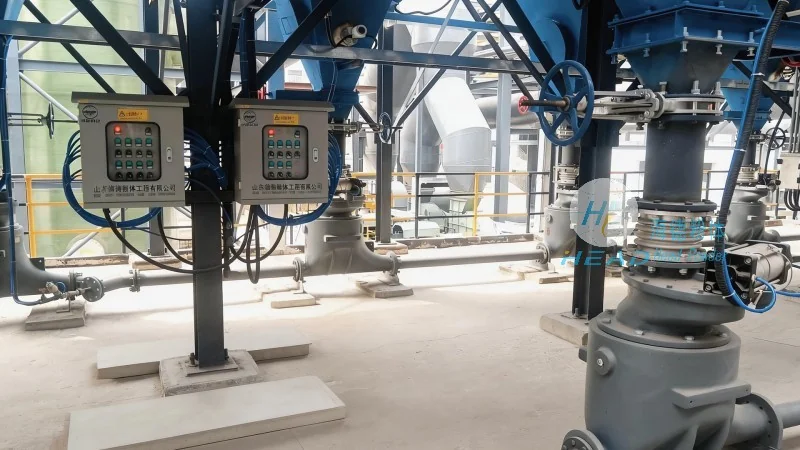
Cereal powder conveying lines are widely used in various applications within the food processing industry. They are essential in facilities that produce breakfast cereals, baked goods, and other grain-based products. The benefits of using such systems include:
1. Increased Production Efficiency: By automating the transportation of bulk powders, the conveying line reduces the need for manual handling, which is time-consuming and labor-intensive. This allows for higher production rates and better utilization of the facility's capacity.
2. Improved Product Quality: The design principles of the conveying line, such as preventing segregation and degradation, ensure that the final product maintains its quality and consistency. This is crucial for meeting consumer expectations and regulatory standards.
3. Enhanced Safety and Hygiene: The integrated filtration and control systems help maintain a safe working environment and comply with hygiene regulations. This reduces the risk of accidents and product recalls.
4. Flexibility and Scalability: Modern conveying lines are designed to be flexible, allowing them to adapt to changes in production needs. They can be easily modified or expanded to accommodate increased production volumes or new product lines. This makes them a long-term investment for growing businesses.
In conclusion, a cereal powder conveying line is a critical component in the food processing industry, designed to efficiently and reliably transport bulk cereal powders. The design of such a system is based on several key principles, including preventing segregation, minimizing product degradation, ensuring hygiene, and optimizing throughput. The components of the system, from feed hoppers to control systems, work together to achieve these goals. For manufacturers, investing in a well-designed conveying line can lead to increased efficiency, improved product quality, and enhanced safety. As the demand for cereal products continues to grow, the importance of efficient powder handling systems will only increase, making the design and implementation of reliable conveying lines a priority for the industry.

 Shandong Headpowder Engineering Co., Ltd.
 156-6277-7102(Manager Zhang)
  0531-83386006
  Zhangqiu District, Jinan City, Shandong Province, China
telephone
WeChatconsult
top