With more than 10‑year industry experience, Shandong Headpowder delivers full‑service pneumatic‑conveying systems and blowers, undertaking nationwide turn‑key powder‑handling projects.
Powder bin bulk material handling systems represent a critical technology in industrial operations, enabling the efficient storage, transport, and distribution of bulk powder materials. This technology is fundamental to maintaining production continuity and ensuring product quality across various sectors, including pharmaceuticals, food processing, chemicals, and mining. The system integrates specialized equipment such as powder bins, pipelines, valves, and control mechanisms to manage the flow of powders with precision and safety.
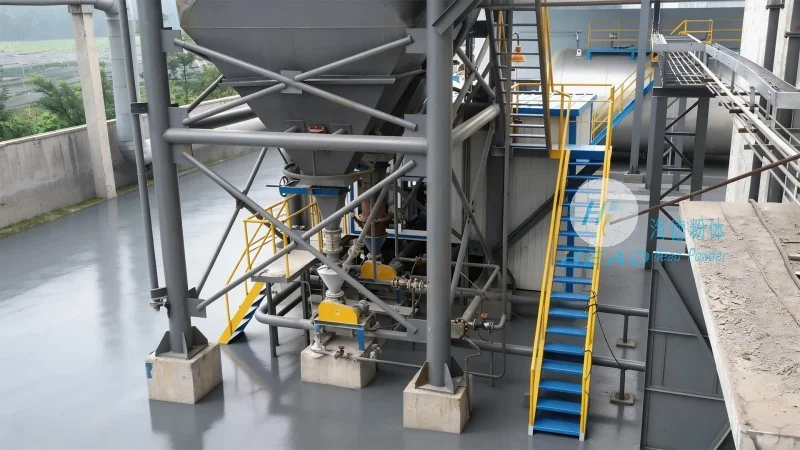
Powder bin bulk material handling refers to the process of handling large quantities of powder materials through dedicated storage and transportation infrastructure. The system typically features a powder bin, often referred to as a silo or hopper, which serves as the primary storage vessel. This bin is engineered to hold substantial volumes of powder while facilitating smooth material flow. Connected to the bin are a network of pipelines, valves, and actuators that control the movement of the powder from storage to processing units or discharge points. The integration of these components allows for automated, controlled material handling, reducing manual intervention and minimizing the risk of material loss or contamination.
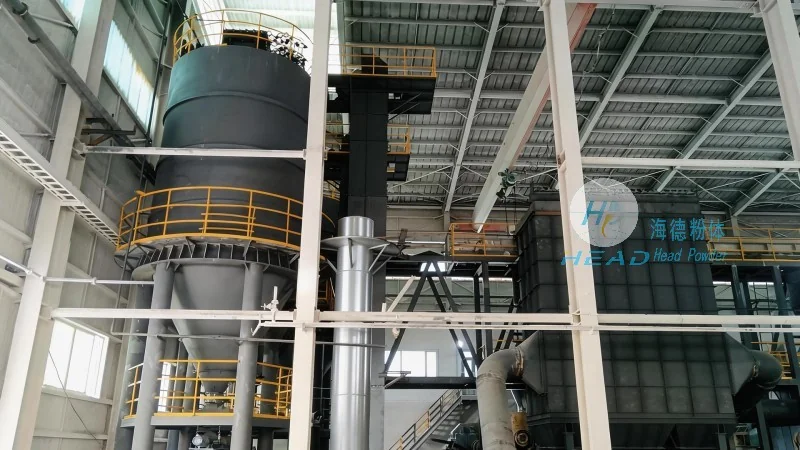
The design of a powder bin bulk material handling system involves several critical components that work in synergy to ensure optimal performance. The powder bin itself is a key element, constructed with features like conical or hopper-shaped geometries to prevent material bridging or caking—common issues that can impede flow. Internal structures such as agitators or vibrators may be incorporated to maintain material flowability, especially for cohesive or fine powders. The pipeline network connects the bin to various operational points, equipped with valves and actuators that regulate flow rate and direction. These components are often made from materials like stainless steel or food-grade plastics, depending on the industry, to prevent material contamination and ensure compliance with regulatory standards. A control system, integrated with sensors for level, pressure, and flow monitoring, manages the entire operation, providing real-time data and automated adjustments to maintain system efficiency and safety.
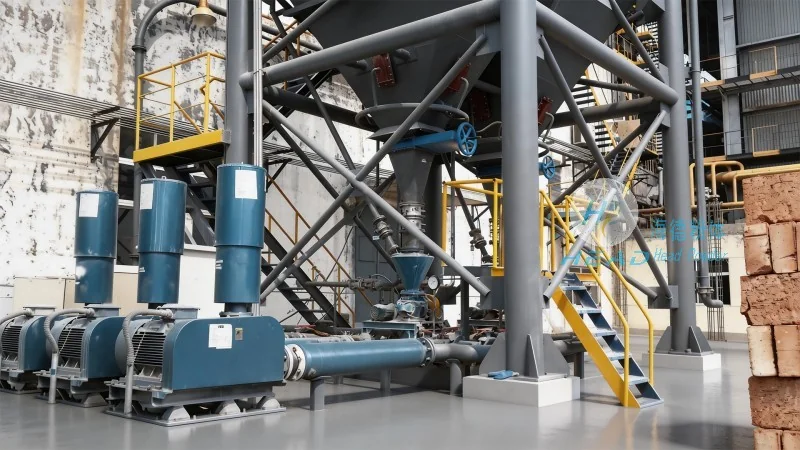
The design principles of a powder bin bulk material handling system prioritize several key objectives: maximizing material flow, minimizing downtime, and ensuring operational safety. One foundational principle is the prevention of material bridging or arching within the bin. This is achieved through the use of specialized bin designs, such as tapered or wedge-shaped hoppers, which promote uniform material discharge. Another critical principle is the selection of appropriate materials for the bin and pipelines to avoid material degradation or contamination. For instance, in the pharmaceutical industry, stainless steel or food-grade materials are used to maintain product purity. The system may also incorporate features like air cannons or vibration devices to break up any material build-up, ensuring consistent flow rates. Additionally, the control system plays a vital role in balancing storage capacity with processing demand, preventing overfilling or underfilling of the bin and avoiding operational disruptions.
Powder bin bulk material handling systems are widely applied across diverse industrial sectors where bulk powder management is essential. In the pharmaceutical industry, these systems are used to store and transport active pharmaceutical ingredients (APIs) and excipients, ensuring that materials are handled in a sterile and controlled environment. In food processing, they facilitate the storage and delivery of ingredients like flour, sugar, and spices, maintaining product freshness and quality. The chemical industry relies on powder bin systems for handling raw materials and intermediates, while the mining industry uses them for transporting ore and other bulk materials from storage to processing units. The benefits of these systems include improved production efficiency, reduced labor costs, enhanced safety through automated control, and minimized material loss due to effective flow management. These advantages make powder bin bulk material handling a cornerstone of modern industrial operations, supporting productivity and compliance with industry standards.
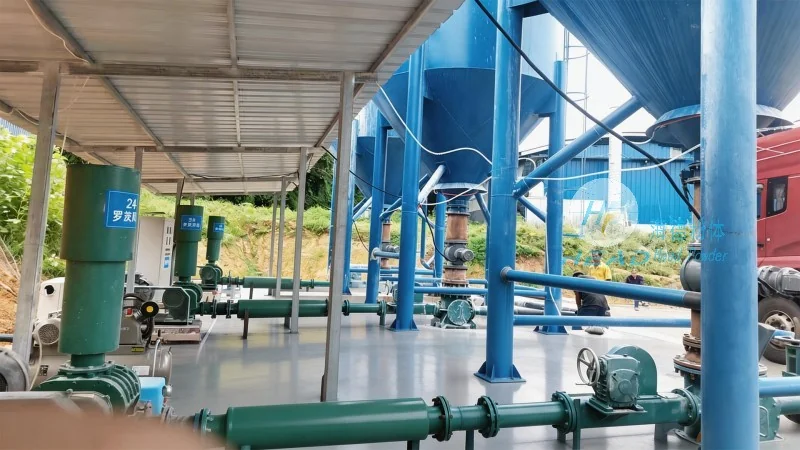
In summary, powder bin bulk material handling is a sophisticated system that integrates storage, transportation, and control technologies to manage bulk powder materials efficiently. The design principles, which emphasize material flow, safety, and precision, are crucial for ensuring the system operates reliably in various industrial applications. As industries continue to evolve and demand higher productivity and product quality, the importance of well-engineered powder bin systems will only grow. With its ability to handle large volumes of powder while maintaining control and safety, this technology remains indispensable for modern industrial operations, supporting the seamless management of bulk materials across diverse sectors.

 Shandong Headpowder Engineering Co., Ltd.
 156-6277-7102(Manager Zhang)
  0531-83386006
  Zhangqiu District, Jinan City, Shandong Province, China
telephone
WeChatconsult
top