With more than 10‑year industry experience, Shandong Headpowder delivers full‑service pneumatic‑conveying systems and blowers, undertaking nationwide turn‑key powder‑handling projects.
HeadPowder, a leading manufacturer in the field of pneumatic conveying systems, specializes in providing efficient and reliable solutions for transporting rice and other bulk materials. The company, based in Shandong, China, has established itself as a trusted partner for industries seeking advanced material handling technologies. This article delves into the operation process and working principles of a rice material pneumatic conveying line, highlighting the key components, operational steps, and the technical advantages that make such systems ideal for rice processing and storage applications.
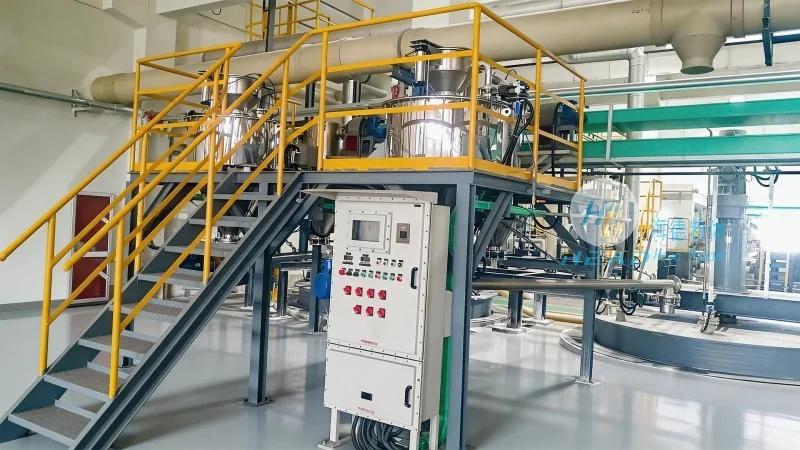
The pneumatic conveying line for rice material typically consists of several essential components that work in tandem to ensure smooth and efficient material transport. These components include a hopper for material storage, a feeder to control the flow rate, a conveying pipe system, a blower or air compressor to generate the necessary air pressure, and a receiver or discharge hopper for the material collection. Each component plays a critical role in maintaining the integrity of the rice and ensuring the system operates with minimal energy consumption and maximum efficiency.
The working principle of a rice material pneumatic conveying line is based on the use of air as the conveying medium. The process begins with the rice being fed from the storage hopper into the feeder, which regulates the flow rate to prevent overloading or underfeeding. The feeder then transfers the rice into the conveying pipe, where it is mixed with the high-pressure air generated by the blower. As the air flows through the pipe, it lifts and transports the rice particles, moving them from the inlet to the outlet of the system. The air pressure and velocity are carefully controlled to ensure that the rice moves without causing damage or degradation. At the receiving end, the air and rice are separated, typically using a cyclone separator or a filter, and the rice is collected in the discharge hopper. The air, now clean, is either recycled back into the system or vented to the atmosphere, depending on the design of the system.
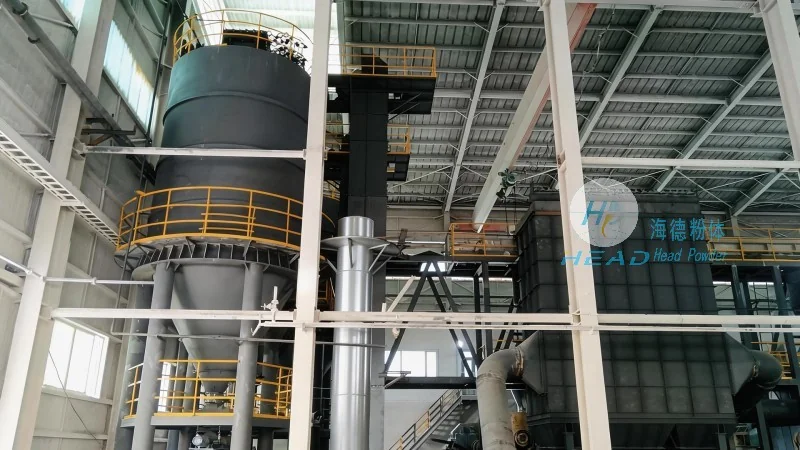
The operation process of a rice material pneumatic conveying line involves several sequential steps that ensure the system runs smoothly and efficiently. First, the system is started by activating the blower and the feeder. The feeder then begins to discharge the rice from the storage hopper into the conveying pipe. As the air pressure builds up, the rice particles are lifted and transported through the pipe network. The system monitors the flow rate and pressure to maintain optimal conditions. During operation, the operator may adjust the feeder speed or the blower pressure to accommodate changes in the rice supply or to meet the demand at the receiving end. The system continues to operate until the rice is fully transferred from the storage hopper to the discharge hopper. After the transfer is complete, the system is shut down by stopping the blower and the feeder, and the discharge hopper is emptied as needed. Regular maintenance, such as cleaning the filters and checking the blower performance, is essential to keep the system running at peak efficiency.
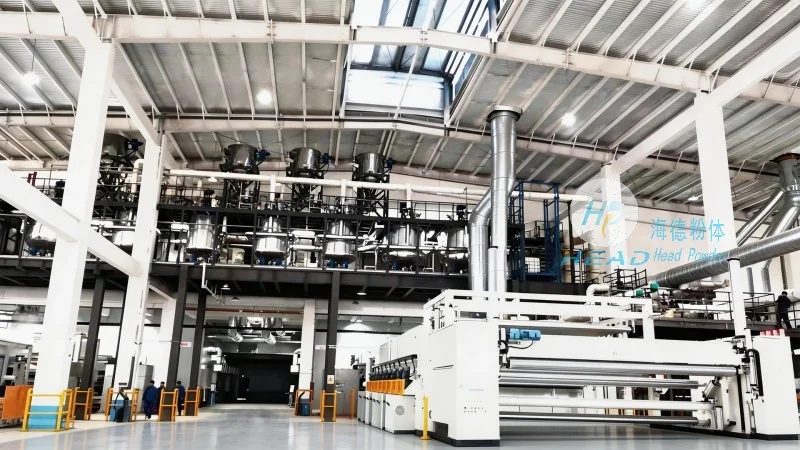
Pneumatic conveying systems offer several technical advantages over traditional mechanical conveying methods for rice material. One of the primary advantages is the ability to transport rice in a closed system, which helps to maintain the quality of the product by preventing contamination from dust, moisture, or other environmental factors. The closed system also reduces the risk of product loss and improves safety in the workplace. Another advantage is the flexibility of the system, as it can be easily adapted to different layouts and distances, making it suitable for various rice processing facilities. The system is also relatively low in maintenance compared to other conveying methods, as it has fewer moving parts and requires less frequent repairs. Additionally, pneumatic conveying can handle a wide range of rice types and sizes, from whole grains to broken or milled rice, without causing damage or segregation.
The pneumatic conveying line for rice material is widely used in the rice processing industry, including milling plants, storage facilities, and distribution centers. The system is particularly useful for transporting rice from storage silos to processing equipment, such as hullers or polishers, or from processing equipment back to storage. It is also used in the packaging and shipping stages, where the rice is transferred from the processing line to the packaging machines. The efficiency and reliability of the pneumatic conveying system contribute to increased productivity and reduced labor costs in the rice industry. By using a pneumatic conveying line, rice processing companies can improve their operational efficiency, maintain product quality, and enhance their overall competitiveness in the market.

 Shandong Headpowder Engineering Co., Ltd.
 156-6277-7102(Manager Zhang)
  0531-83386006
  Zhangqiu District, Jinan City, Shandong Province, China
telephone
WeChatconsult
top