With more than 10‑year industry experience, Shandong Headpowder delivers full‑service pneumatic‑conveying systems and blowers, undertaking nationwide turn‑key powder‑handling projects.
For those in the food processing or agricultural sectors, understanding the mechanics of pneumatic conveying systems is crucial, especially when dealing with delicate materials like buckwheat hulls. This article delves into the specifics of a buckwheat hull pneumatic conveying system, outlining its design principles and the technology behind its operation.
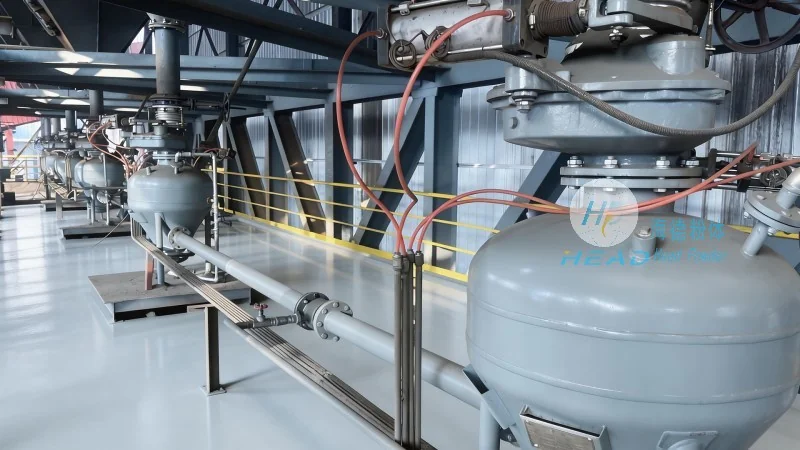
A buckwheat hull pneumatic conveying system is a specialized piece of equipment used to transport buckwheat hulls, a byproduct of the buckwheat processing industry, from one location to another. Unlike traditional bulk material handling methods such as belt conveyors or screw conveyors, pneumatic conveying uses air to move the material through a pipeline. This method is particularly advantageous for handling light, dusty, or fragile materials like buckwheat hulls, as it minimizes product degradation and contamination.
The buckwheat hull pneumatic conveying system consists of several key components that work in tandem to ensure efficient material transport. These components include the hopper, which serves as the material storage and feeding unit; the air compressor, which generates the necessary air pressure to move the material; the conveying line, which is the pipeline through which the material travels; and the receiver, which collects the material at the destination. Each component plays a critical role in the overall operation of the system, and their design must be optimized for the specific characteristics of buckwheat hulls.
The design of a buckwheat hull pneumatic conveying system is based on several fundamental principles to ensure optimal performance. The first principle is the selection of appropriate air velocity. The air velocity must be high enough to lift and transport the hulls through the pipeline but low enough to prevent excessive wear on the system components and to minimize dust generation. The second principle is the proper sizing of the conveying line and components. The diameter of the pipeline and the size of the hopper and receiver must be carefully determined based on the flow rate and particle size of the buckwheat hulls to avoid blockages or inefficiencies.
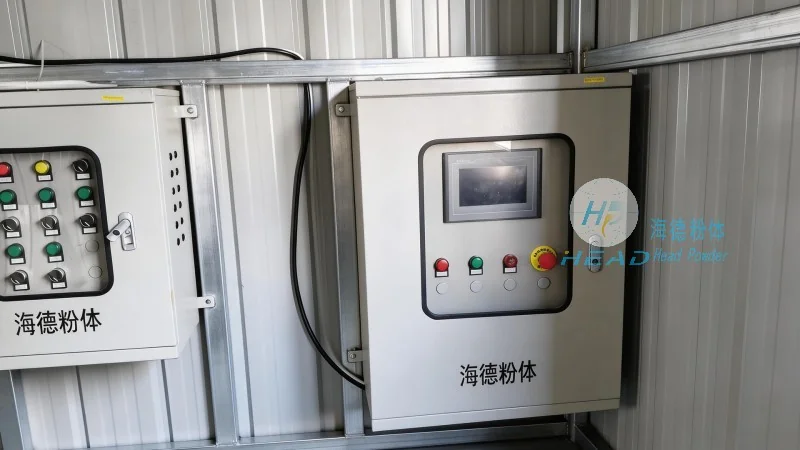
The third principle is the consideration of material properties. Buckwheat hulls are light, porous, and have a relatively low bulk density. These characteristics affect the air velocity required for conveying and the pressure drop along the pipeline. The system design must account for these properties to ensure consistent and reliable operation. Additionally, the system must be designed to handle the dust and particulate matter generated during the conveying process, as this can impact the performance of the air compressor and other components.
Shandong HeadPowder Engineering Co., Ltd., a leading manufacturer in the field, specializes in the design and production of pneumatic conveying systems tailored to the needs of the food and agricultural industries. With years of experience in handling delicate materials, HeadPowder engineers have developed systems that are specifically optimized for buckwheat hulls. The company's approach involves a thorough understanding of the material's characteristics, the application requirements, and the operational environment to create a customized solution that meets the client's needs.
HeadPowder's engineers use advanced design software and computational fluid dynamics (CFD) to simulate the behavior of the buckwheat hulls within the system. This allows them to optimize the air velocity, pipeline dimensions, and component placement to achieve the most efficient and reliable operation. The company also emphasizes the use of high-quality materials and components to ensure durability and longevity of the system, even in harsh operating conditions.
Implementing a buckwheat hull pneumatic conveying system offers several benefits for businesses in the buckwheat processing industry. The primary benefit is the improved efficiency in material handling. By using a pneumatic system, businesses can reduce labor costs associated with manual handling and minimize the risk of product damage or contamination. Additionally, the system can be integrated with other processing equipment, such as drying or packaging lines, to create a seamless production flow.
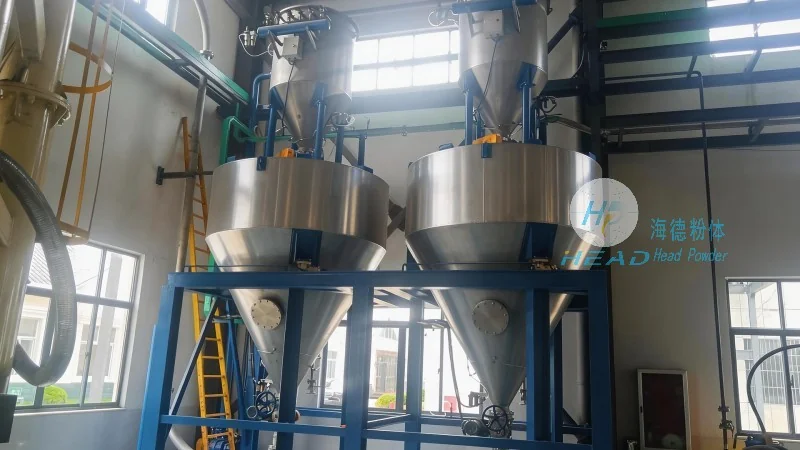
Another significant benefit is the reduction in dust and environmental impact. Traditional methods of handling buckwheat hulls often result in significant dust generation, which can pose health and safety risks and contribute to environmental pollution. A pneumatic conveying system, by contrast, contains the material within a closed pipeline, reducing dust emissions and improving workplace safety. This also helps in maintaining compliance with environmental regulations.
Furthermore, the system provides greater flexibility in material transport. Unlike fixed conveyors, a pneumatic system can be easily reconfigured to change the direction or destination of the material flow. This makes it ideal for facilities that need to adapt to changing production schedules or product lines. The system can also be scaled up or down to accommodate varying production volumes, providing a cost-effective solution for businesses of all sizes.
In conclusion, a buckwheat hull pneumatic conveying system is a sophisticated and efficient solution for transporting buckwheat hulls in the food processing industry. Its design is based on fundamental principles of fluid dynamics and material handling, optimized to handle the unique characteristics of buckwheat hulls. With the expertise of companies like Shandong HeadPowder Engineering Co., Ltd., businesses can implement a reliable and durable system that enhances their operational efficiency, improves product quality, and reduces environmental impact.

 Shandong Headpowder Engineering Co., Ltd.
 156-6277-7102(Manager Zhang)
  0531-83386006
  Zhangqiu District, Jinan City, Shandong Province, China
telephone
WeChatconsult
top