With more than 10‑year industry experience, Shandong Headpowder delivers full‑service pneumatic‑conveying systems and blowers, undertaking nationwide turn‑key powder‑handling projects.
For professionals in the foundry industry, understanding the efficient and reliable methods of transporting materials is crucial for optimizing production processes. Among the various technologies available, film-coated sand pneumatic conveying stands out as a sophisticated solution for handling abrasive and sensitive materials like film-coated sand. This article delves into the working principles of this system, providing insights into how it operates and its benefits in industrial applications.
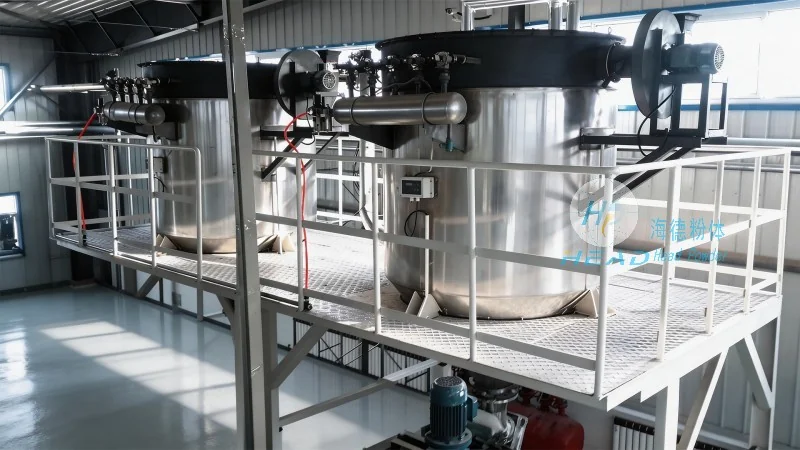
Film-coated sand pneumatic conveying is a type of pneumatic conveying system designed specifically for transporting film-coated sand, a material commonly used in sand casting processes. The system utilizes compressed air to move the sand particles through a pipeline, eliminating the need for mechanical components like belts or buckets that might cause wear and tear on the material. This method ensures that the sand remains intact and free from contamination, which is critical for maintaining the quality of the final castings.
The film-coated sand pneumatic conveying system consists of several key components that work in tandem to ensure efficient material transport. These components include:
1. Feeder: The feeder is responsible for introducing the film-coated sand into the system. It can be a rotary valve or a screw feeder, which controls the flow rate of the material into the pipeline. The feeder ensures a consistent and controlled feed of the sand, preventing blockages and maintaining the system's performance.
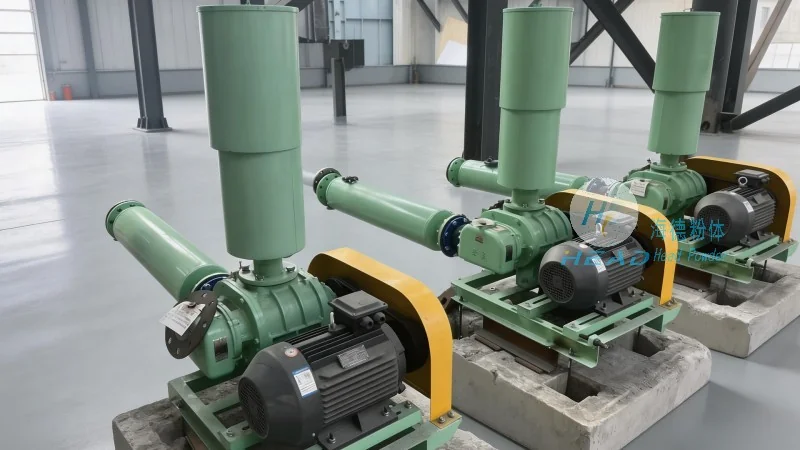
2. Compressor: The compressor generates the compressed air required to move the sand particles through the pipeline. It provides the necessary pressure to overcome the resistance in the pipeline and ensure the material is conveyed efficiently. The choice of compressor depends on the system's capacity and the type of material being transported.
3. Pipeline: The pipeline is the main channel through which the sand travels. It is typically made of materials like stainless steel or plastic, which are resistant to corrosion and wear from the abrasive sand particles. The pipeline is designed with smooth bends and transitions to minimize pressure loss and ensure the material moves smoothly.
4. Receiver: The receiver is the final destination where the conveyed sand is deposited. It is usually a hopper or a storage bin, designed to collect the sand and prevent it from spilling or being contaminated. The receiver is equipped with a discharge valve that controls the release of the material into the next stage of the production process.
The operation of the film-coated sand pneumatic conveying system follows a systematic process. Here's a step-by-step breakdown of how the system works:
1. Material Intake: The film-coated sand is fed into the system through the feeder. The feeder regulates the flow rate, ensuring a steady supply of material into the pipeline.
2. Air Injection: Compressed air is introduced into the pipeline at a specific point, typically near the feeder. The air creates a low-pressure zone that draws the sand particles into the pipeline.
3. Conveying: The combination of air and sand particles forms a slurry-like mixture that moves through the pipeline. The air provides the necessary force to propel the sand, while the sand particles maintain their integrity due to the film coating.
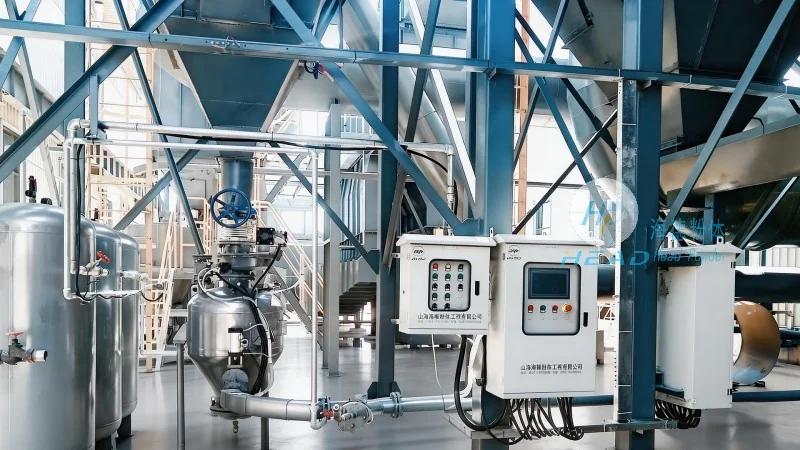
4. Deceleration and Deposition: As the mixture reaches the receiver, the air is gradually released or the pressure is reduced, causing the sand to decelerate and settle into the receiver. The receiver collects the sand, ready for the next stage of the casting process.
Implementing a film-coated sand pneumatic conveying system offers several advantages for foundry operations. These benefits include:
1. Reduced Wear and Tear: Unlike mechanical systems, pneumatic conveying minimizes the wear and tear on the sand particles and the equipment. The film coating on the sand provides an additional layer of protection, extending the life of the material and reducing maintenance costs.
2. Improved Material Quality: The system ensures that the film-coated sand remains intact and free from contamination, which is essential for maintaining the quality of the castings. The consistent flow and controlled environment prevent dust and moisture from affecting the material.
3. Enhanced Safety: Pneumatic conveying systems are generally safer than mechanical systems, as they eliminate the risk of mechanical failures and material spillage. The enclosed pipeline design also reduces the risk of dust exposure, improving workplace safety.
4. Increased Efficiency: The system allows for continuous and automated material transport, reducing the need for manual handling and increasing production efficiency. The controlled flow rate and pressure ensure that the system operates at optimal performance levels.
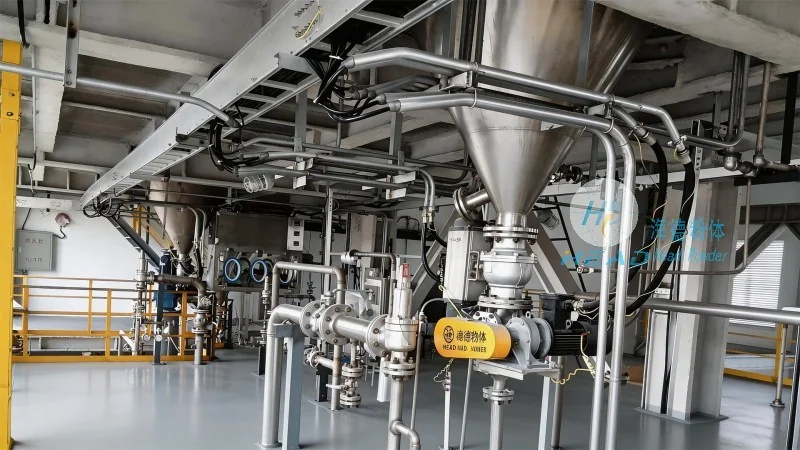
Film-coated sand pneumatic conveying is widely used in various applications within the foundry industry. Some common applications include:
1. Sand Transport in Sand Casting: The system is used to transport film-coated sand from storage to the molding area, ensuring a consistent supply of material for the casting process.
2. Reclaim and Reuse of Sand: The system can be integrated into a sand reclamation process, where used sand is conveyed back to the molding area after being cleaned and coated with a new film.
3. Material Handling in Foundry Production Lines: The system is used to transport sand between different stages of the production line, such as from the molding area to the shakeout and cleaning stages.
Film-coated sand pneumatic conveying is a highly effective and reliable method for transporting materials in the foundry industry. By understanding the working principles and benefits of this system, foundry operators can optimize their production processes, improve material quality, and enhance overall efficiency. As a leading provider of engineering solutions, Shandong HeadPowder Engineering Co., Ltd. specializes in designing and manufacturing pneumatic conveying systems tailored to the specific needs of foundry operations. With our expertise and commitment to quality, we help our clients achieve superior performance and cost savings in their material handling processes.

 Shandong Headpowder Engineering Co., Ltd.
 156-6277-7102(Manager Zhang)
  0531-83386006
  Zhangqiu District, Jinan City, Shandong Province, China
telephone
WeChatconsult
top