With more than 10‑year industry experience, Shandong Headpowder delivers full‑service pneumatic‑conveying systems and blowers, undertaking nationwide turn‑key powder‑handling projects.
Understanding the mechanisms behind efficient powder handling is crucial for industries dealing with bulk materials, especially when handling substances like sodium chlorate. This article delves into the concept of sodium chlorate pneumatic conveying, exploring the underlying principles and operational dynamics of such systems, with a focus on the expertise of Shandong HeadPowder Engineering Co., Ltd., a leading provider in the field of powder handling solutions.
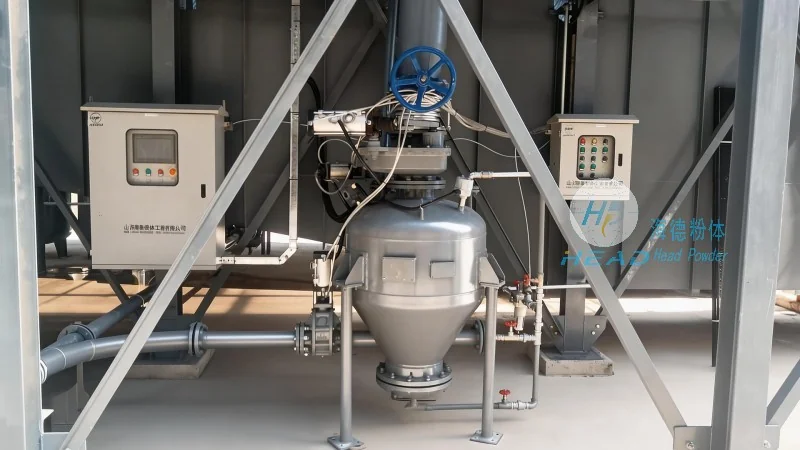
Sodium chlorate is a chemical compound widely used in various industrial applications, including agriculture, water treatment, and chemical manufacturing. When it comes to transporting this material, traditional methods such as belt conveyors or bucket elevators may not always be the most efficient or safe. Pneumatic conveying systems offer a viable alternative, enabling the transport of sodium chlorate and other powders through the use of air or gas pressure. This method is particularly advantageous for handling materials that are sensitive to moisture, contamination, or mechanical stress. The closed system design of pneumatic conveying also helps in maintaining the purity and integrity of sodium chlorate, which is critical given its potential to react with moisture and form hazardous byproducts.
Pneumatic conveying systems operate by transporting solid particles through a pipeline using a moving gas stream. In the case of sodium chlorate, the system typically involves a hopper where the material is stored, a feeder that controls the flow rate, and a pipeline that conveys the material to the destination. The process begins with the material being drawn into the pipeline by the moving air, which is generated by a blower or compressor. As the air flows through the pipeline, it carries the sodium chlorate particles along, ensuring a continuous and controlled transport. The system may include various components such as cyclones for separation, filters to prevent dust, and control valves to regulate the flow. The entire operation is designed to maintain the integrity of the sodium chlorate, minimizing degradation or contamination during transit. The velocity and pressure of the air are carefully managed to ensure that the particles are transported without excessive abrasion or breakage.
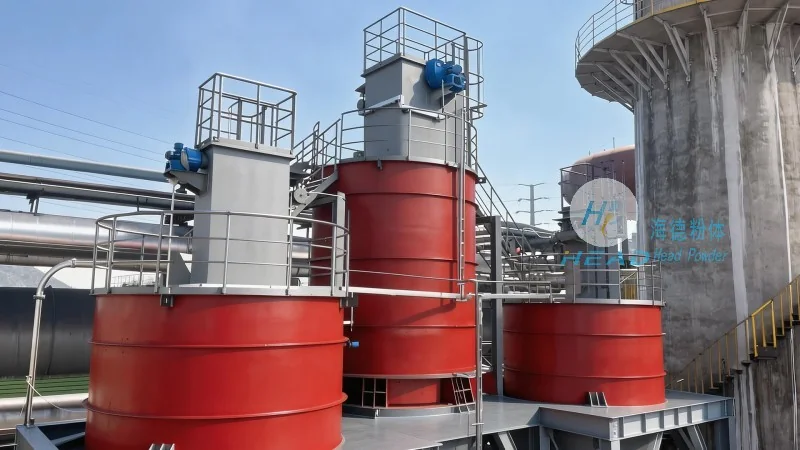
Several critical components work in tandem to ensure the smooth operation of a sodium chlorate pneumatic conveying system. The hopper serves as the storage vessel, holding the bulk of the sodium chlorate until it is needed. The feeder, often a rotary valve or a screw feeder, regulates the material flow into the pipeline, preventing overloading or underflow. The blower or compressor is the heart of the system, providing the necessary air pressure to move the particles. The pipeline itself is typically made of materials resistant to corrosion and abrasion, such as stainless steel or polyethylene, to withstand the chemical properties of sodium chlorate and the abrasive nature of the particles. Additionally, the system may include a cyclone separator at the receiving end, which uses centrifugal force to separate the sodium chlorate from the air stream, allowing the air to be recirculated or vented. Filters are also essential to capture any fine particles that may escape, ensuring compliance with environmental regulations and maintaining the quality of the transported material. The control system, which may include sensors and automation, monitors the flow rate, pressure, and temperature to ensure optimal performance.
Implementing a pneumatic conveying system for sodium chlorate offers several advantages over traditional transport methods. Firstly, it provides a closed system, which helps in preventing dust emissions and contamination from the environment. This is particularly important for sodium chlorate, as it can be hazardous if inhaled or if it comes into contact with moisture, potentially leading to the formation of toxic chlorine gas. Secondly, pneumatic conveying allows for a more controlled and precise transport, reducing the risk of material spillage or loss. The system can be easily integrated with other processing equipment, enabling a seamless flow from storage to processing. Furthermore, it minimizes the need for manual handling, reducing labor costs and improving workplace safety. The ability to transport sodium chlorate over long distances without the need for multiple transfer points also enhances operational efficiency. Additionally, the system can be designed to handle varying flow rates, adapting to the production needs of the facility.
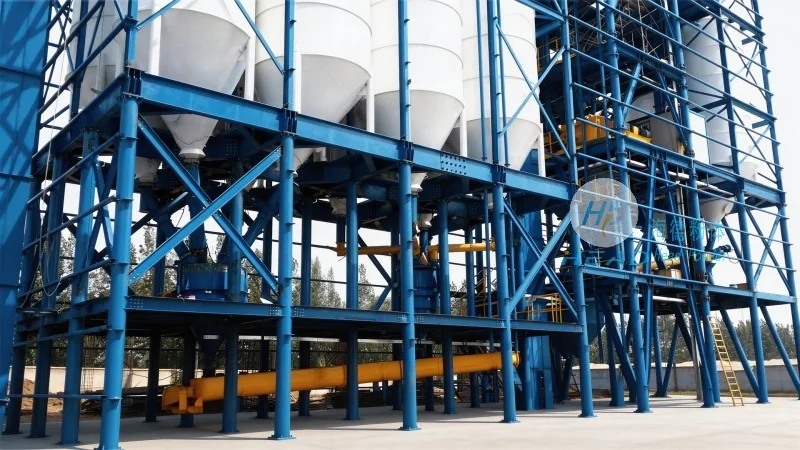
Designing an effective pneumatic conveying system for sodium chlorate requires careful consideration of several factors. The first is the material's properties, such as its density, flowability, and moisture content. Sodium chlorate is a relatively dense and free-flowing powder, but its chemical reactivity means that the system must be designed to prevent any contact with moisture or other reactive substances. The second consideration is the system's capacity and the required flow rate. The blower or compressor must be sized appropriately to handle the volume of sodium chlorate being transported, ensuring that the pressure and velocity are sufficient to move the particles without causing excessive wear or degradation. The third factor is the system's layout and the distance to be covered. The pipeline length and elevation changes must be accounted for to ensure that the air pressure is adequate throughout the system. Additionally, the choice of materials for the components, such as the hopper, feeder, and pipeline, is critical to prevent corrosion or chemical reactions that could compromise the system's performance or safety. The system should also be designed with safety features, such as explosion-proof components, to handle the potential hazards associated with sodium chlorate.
Pneumatic conveying systems represent a sophisticated and efficient method for transporting sodium chlorate and other powders. By understanding the working principles and key components of such systems, industries can optimize their material handling processes, enhancing safety, efficiency, and overall operational performance. As a leading provider in this field, Shandong HeadPowder Engineering Co., Ltd. specializes in designing and manufacturing customized pneumatic conveying solutions tailored to the specific needs of clients, ensuring reliable and safe transport of sodium chlorate and other bulk materials, with operations based in Shandong, China. The company's expertise in powder handling technology ensures that clients receive systems that are not only effective but also compliant with industry standards and regulations.

 Shandong Headpowder Engineering Co., Ltd.
 156-6277-7102(Manager Zhang)
  0531-83386006
  Zhangqiu District, Jinan City, Shandong Province, China
telephone
WeChatconsult
top