With more than 10‑year industry experience, Shandong Headpowder delivers full‑service pneumatic‑conveying systems and blowers, undertaking nationwide turn‑key powder‑handling projects.
Understanding the mechanics of copper oxide pneumatic conveying is crucial for industries that handle fine powders. This article delves into the fundamental principles of this powder handling technology, focusing on its application in the transport of copper oxide—a widely used material in various industrial processes. The insights shared here are brought to you by Shandong HeadPowder Engineering Co., Ltd., a leading provider of advanced powder handling solutions.
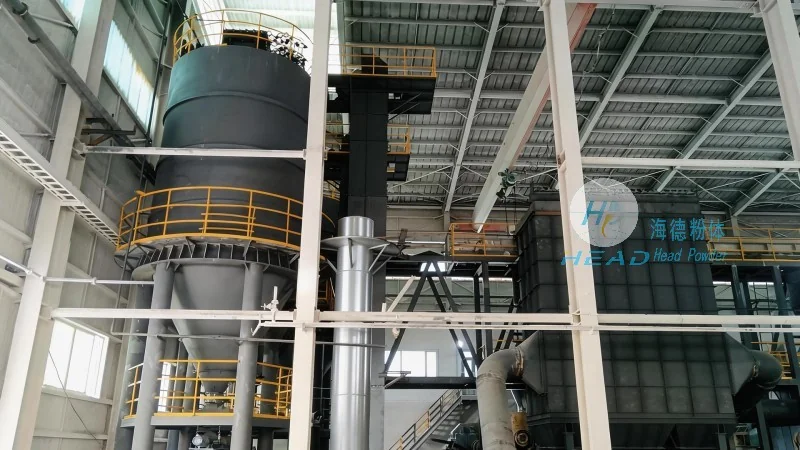
Copper oxide, a common inorganic compound with the chemical formula CuO, is frequently used in applications such as catalysis, pigments, and batteries. The efficient and safe transport of copper oxide powder is essential for maintaining production efficiency and product quality. Pneumatic conveying systems offer a solution by utilizing air or other gases to move powders through a pipeline, eliminating the need for mechanical components like belts or screws that can cause contamination or wear.
The core of a pneumatic conveying system lies in its ability to suspend and transport particles using pressurized or vacuum air. In a typical system, a material feed hopper is connected to a pipeline where air is introduced. The air flow creates a drag force that lifts the copper oxide particles, forming a dense or dilute phase flow depending on the system design. The system can operate under positive pressure (where air is forced into the system) or negative pressure (where air is drawn out), each with its own advantages for different material characteristics and process requirements.
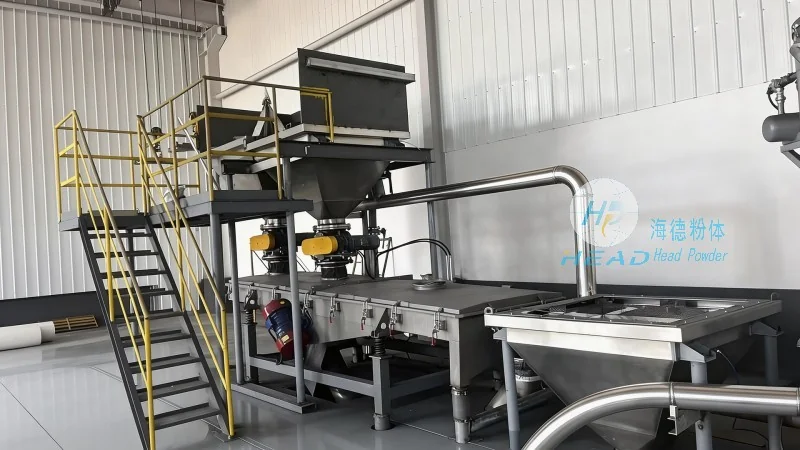
Several critical components work together to ensure the effective operation of a copper oxide pneumatic conveying system. These include the material feed hopper, which holds the copper oxide powder and regulates its flow into the system; the air supply unit, which provides the necessary pressure or vacuum; the conveying line, which transports the powder and air mixture; and the separation equipment, such as cyclones or filters, that separates the powder from the air at the end of the line. Additionally, control valves and sensors are used to monitor and adjust the system parameters, ensuring optimal performance and preventing issues like blockages or excessive pressure drops.
Compared to traditional mechanical conveying methods, pneumatic conveying offers several benefits for handling copper oxide. These include reduced risk of product contamination, as the system is enclosed and does not come into direct contact with external elements. It also minimizes material degradation due to friction or impact, which is particularly important for sensitive powders like copper oxide. Furthermore, pneumatic systems can handle a wide range of particle sizes and flow rates, making them versatile for various industrial applications. The ability to transport materials over long distances without the need for intermediate storage or transfer points also enhances operational efficiency.
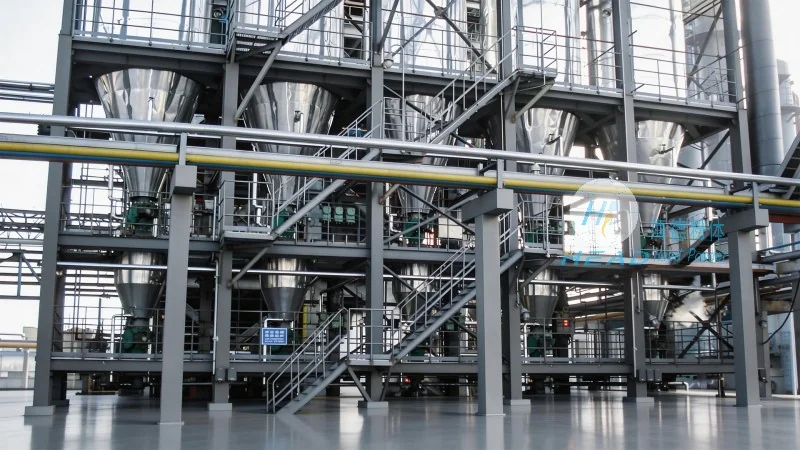
Copper oxide pneumatic conveying is widely used in industries where fine powders need to be transported efficiently and safely. For example, in the chemical industry, copper oxide is used as a catalyst in oxidation reactions, and pneumatic systems ensure its precise delivery to reactors. In the battery manufacturing sector, copper oxide is a key component in electrode production, and the system helps maintain consistent quality and purity during the production process. Additionally, in the pigment industry, copper oxide is used to create colored coatings, and the efficient transport of the powder is essential for achieving uniform coloration in final products.
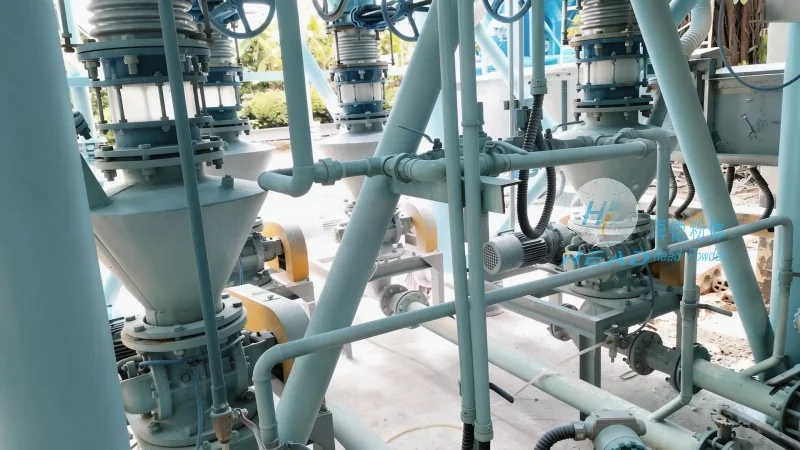
When designing a copper oxide pneumatic conveying system, several factors must be considered to ensure optimal performance and longevity. The particle size, density, and moisture content of the copper oxide powder are critical, as they affect the system's air velocity requirements and the risk of blockages. The system's operating pressure and flow rate must be carefully calculated to match the material's characteristics and the desired transport distance. Regular maintenance is also essential to prevent system failures. This includes cleaning the conveying line and separation equipment to remove accumulated powder, checking for air leaks, and inspecting components for wear and tear. Proper maintenance not only extends the system's lifespan but also ensures consistent performance and product quality.
Copper oxide pneumatic conveying is a sophisticated and efficient method for transporting fine powders in industrial settings. By understanding the working principles and key components of such systems, industries can optimize their powder handling processes, improve product quality, and enhance operational efficiency. The technology's ability to handle sensitive materials like copper oxide while minimizing contamination and degradation makes it a preferred choice for many applications. As industries continue to demand higher standards of material handling, the importance of well-designed and maintained pneumatic conveying systems will only grow.

 Shandong Headpowder Engineering Co., Ltd.
 156-6277-7102(Manager Zhang)
  0531-83386006
  Zhangqiu District, Jinan City, Shandong Province, China
telephone
WeChatconsult
top