With more than 10‑year industry experience, Shandong Headpowder delivers full‑service pneumatic‑conveying systems and blowers, undertaking nationwide turn‑key powder‑handling projects.
HeadPowder, a leading engineering firm based in Shandong, China, specializes in advanced material handling solutions. This article explores the fundamental principles of pneumatic conveying for arsenic trioxide materials and highlights the key characteristics of its application scenarios.
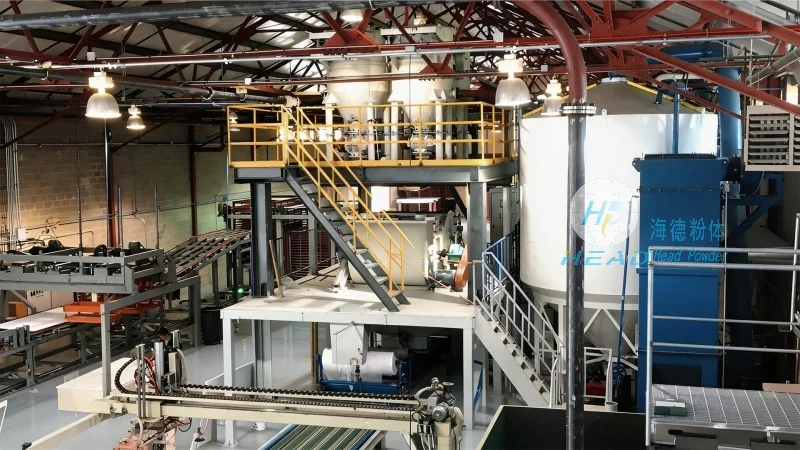
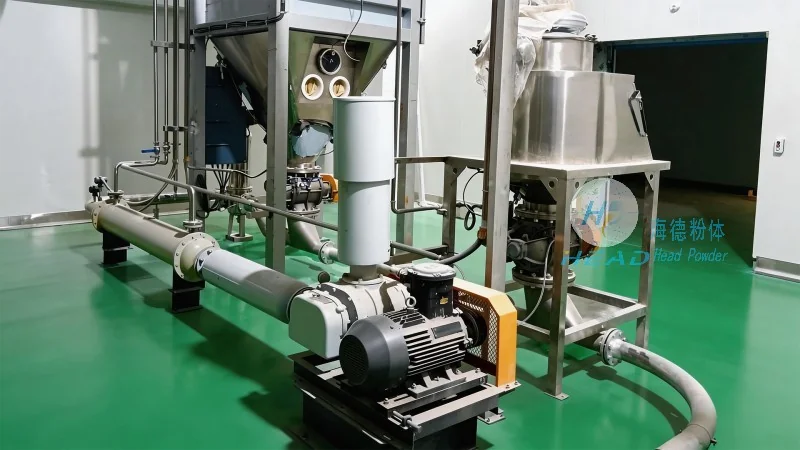
Pneumatic conveying is a method of transporting bulk materials through a pipeline using a gas stream, typically air. In the case of arsenic trioxide, a fine powder with specific physical properties, the conveying process relies on the interaction between solid particles and the gas flow. The principle involves creating a pressure or vacuum differential to move the material from the source to the destination. The system typically consists of a hopper, a conveyor line, and a receiver, with the gas flow controlled by a blower or vacuum pump. The efficiency of the conveying process depends on factors such as particle size, density, and moisture content, as well as the design of the pipeline and the velocity of the gas. For arsenic trioxide, a toxic and hazardous material, the conveying system must be designed to ensure safety and compliance with environmental regulations. This includes proper sealing to prevent dust emissions and the use of explosion-proof equipment to mitigate ignition risks.
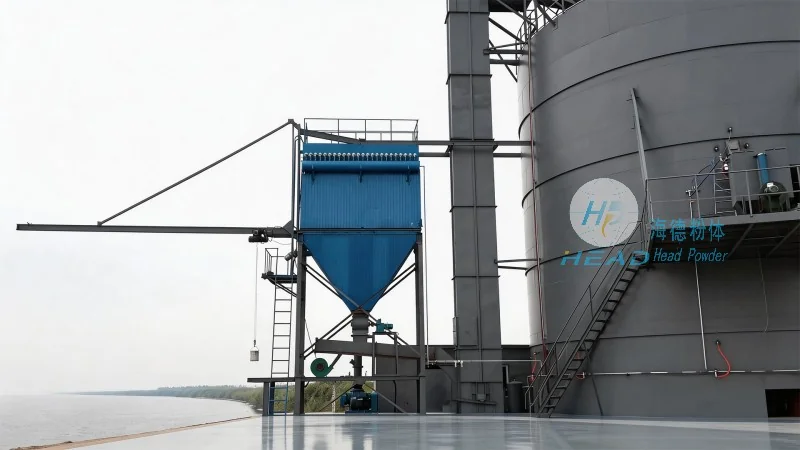
The application of pneumatic conveying for arsenic trioxide materials is characterized by several distinct working scene features. First, the material is often handled in industrial settings like chemical plants or mining operations, where it is produced or processed. The conveying system is integrated into the production line to transport the material from storage to processing equipment, such as reactors or filters. Second, the working environment requires strict safety measures due to the hazardous nature of arsenic trioxide. This includes enclosed systems to prevent worker exposure and ventilation systems to remove airborne particles. Third, the system must handle the material's specific properties, including its fine particle size and potential for agglomeration. Pipeline design and gas velocity are critical to maintaining flow and preventing blockages. Fourth, the working scene may involve high-volume or continuous operation, requiring the conveying system to be reliable and efficient to meet production demands. Integration with other equipment, such as weighing scales or mixing units, is also important for smooth operation and accurate material control.
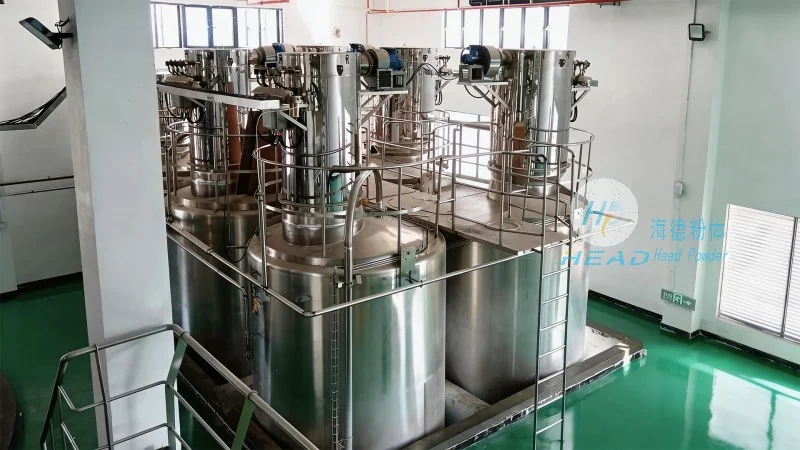
HeadPowder Engineering Co., Ltd. has extensive experience in designing and implementing pneumatic conveying systems for arsenic trioxide and other hazardous materials. The company's engineers have developed specialized solutions addressing unique challenges like safety, efficiency, and regulatory compliance. HeadPowder's expertise includes custom conveying system design tailored to client-specific requirements, considering material properties, production capacity, and site conditions. The company also provides maintenance and support services to ensure long-term system reliability. With headquarters in Shandong, China, HeadPowder serves global clients, delivering high-quality engineering solutions that enhance productivity and safety in material handling operations.

 Shandong Headpowder Engineering Co., Ltd.
 156-6277-7102(Manager Zhang)
  0531-83386006
  Zhangqiu District, Jinan City, Shandong Province, China
telephone
WeChatconsult
top