With more than 10‑year industry experience, Shandong Headpowder delivers full‑service pneumatic‑conveying systems and blowers, undertaking nationwide turn‑key powder‑handling projects.
For industries that rely on calcined lime, efficient material handling is critical to maintaining production efficiency and safety standards. Pneumatic conveying systems have emerged as a highly effective solution for transporting calcined lime, offering advantages over traditional methods such as belt conveyors or bucket elevators. This article explores the role of pneumatic conveying in the transport of calcined lime, highlighting its benefits, applications, and the technical considerations that make it an ideal choice for various industrial settings.
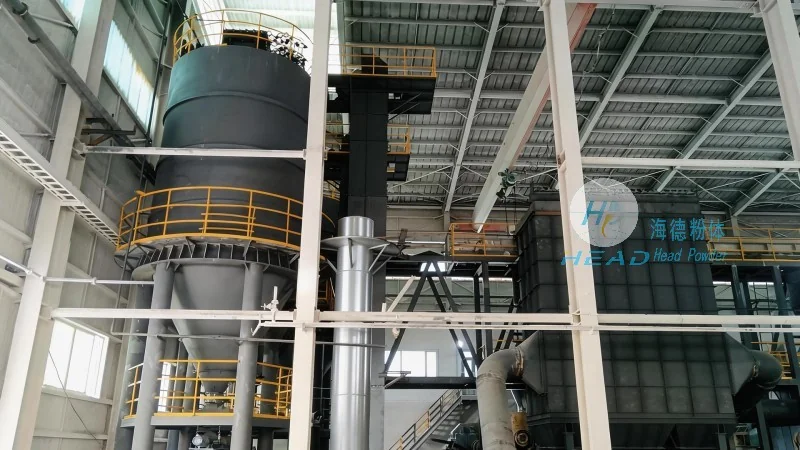
Calcined lime, also known as quicklime, is a white or grayish powder produced by heating limestone at high temperatures. It is widely used in industries like construction, water treatment, and chemical manufacturing due to its reactivity and ability to neutralize acids. The material is often stored in bulk and needs to be transported to processing units or storage areas. Traditional transport methods may face challenges with calcined lime, including dust generation, material degradation, and the need for specialized equipment to handle its fine, abrasive nature.
Pneumatic conveying uses compressed air or gas to move bulk materials through a pipeline system. This technology is particularly well-suited for calcined lime due to its ability to handle fine powders and abrasive materials without causing excessive wear or degradation. The system typically consists of a hopper, a conveyor line, and a control unit that regulates air pressure and flow. The material is fed into the hopper and then carried by the air stream through the pipeline to the destination. This method eliminates the need for mechanical components that come into direct contact with the material, reducing maintenance and extending the lifespan of the equipment.
One of the primary advantages of pneumatic conveying in calcined lime transport is its ability to minimize dust exposure. Unlike belt conveyors, which can generate significant dust during operation, pneumatic systems enclose the material, reducing airborne particles and improving workplace safety. This is especially important in industries where dust can cause respiratory issues or interfere with other processes. Additionally, pneumatic conveying offers greater flexibility in terms of layout and routing, allowing materials to be transported over longer distances or around obstacles without the need for complex infrastructure changes.
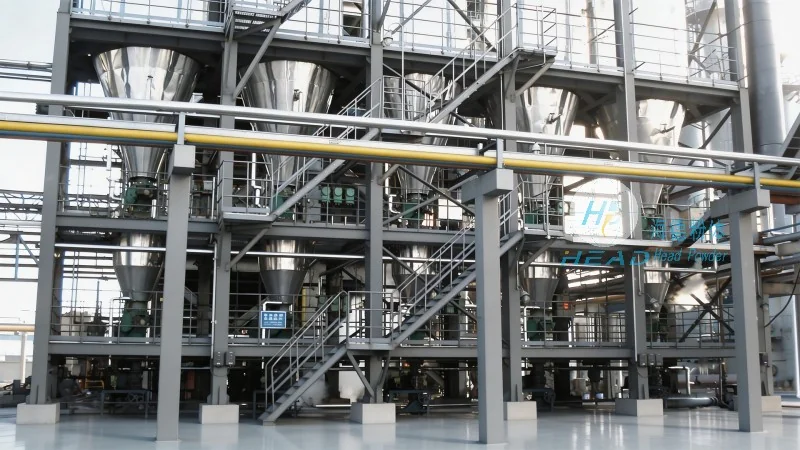
Another key benefit is the reduced risk of material degradation. Traditional transport methods may cause attrition or compaction of the calcined lime, affecting its quality and performance. Pneumatic systems, by moving the material in a controlled environment, minimize these issues, ensuring that the material remains in its optimal state for downstream applications. This is particularly valuable in industries where the purity and reactivity of calcined lime are critical, such as in water treatment or chemical synthesis.
Implementing a pneumatic conveying system for calcined lime requires careful consideration of several technical factors. The first is the air velocity and pressure required to move the material efficiently. The air velocity must be sufficient to lift the material but not so high as to cause excessive wear on the system components. The pressure levels are typically determined by the distance and height the material needs to be transported. Another important consideration is the material's flow properties, including its density, moisture content, and particle size distribution. These factors affect the system's design, such as the size of the hopper and the diameter of the pipeline.
HeadPowder Engineering Co., Ltd., a leading provider of material handling solutions, specializes in designing and manufacturing pneumatic conveying systems tailored to the needs of calcined lime transport. With years of experience in the industry, the company understands the unique challenges associated with handling this material and has developed systems that address these issues effectively. The company's expertise includes selecting the appropriate air velocity, pressure, and pipeline design to ensure optimal performance and minimal maintenance. By partnering with HeadPowder, industries can benefit from a reliable and efficient pneumatic conveying solution that enhances their operational efficiency and safety.
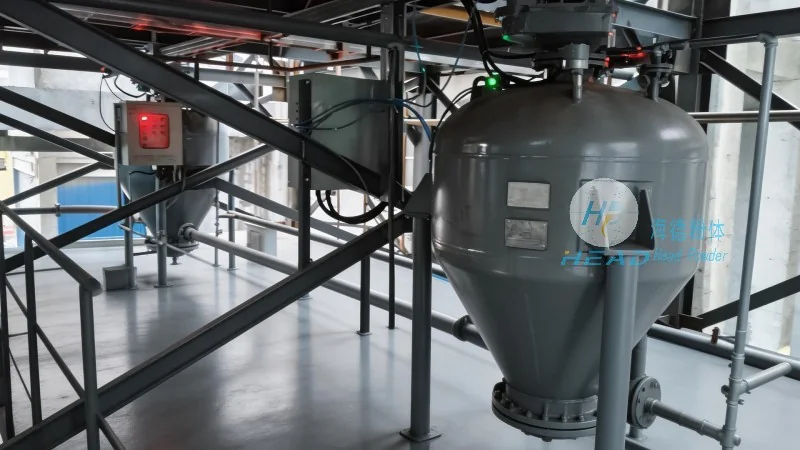
Pneumatic conveying systems are used in a variety of applications involving calcined lime. In the construction industry, for example, calcined lime is used as a component in cement and mortar production. Pneumatic systems are used to transport the material from storage silos to mixing plants, ensuring a consistent supply of high-quality material. In water treatment facilities, calcined lime is used to neutralize acidic water and improve water quality. Pneumatic conveying allows for the precise delivery of the material to the treatment tanks, ensuring optimal chemical reactions and water treatment efficiency.
Chemical manufacturers also rely on pneumatic conveying for calcined lime transport. The material is often used as a raw ingredient in the production of various chemicals, and the system ensures that it is delivered to the production line in a controlled manner. This reduces the risk of material contamination and ensures that the final product meets quality standards. Case studies from various industries have shown that pneumatic conveying systems can significantly improve operational efficiency, reduce downtime, and lower maintenance costs compared to traditional transport methods.
Pneumatic conveying plays a crucial role in the efficient and safe transport of calcined lime. By leveraging compressed air to move the material through a pipeline system, this technology offers numerous advantages over traditional methods, including reduced dust exposure, minimized material degradation, and greater flexibility in layout. Technical considerations such as air velocity, pressure, and material properties are critical to the successful implementation of a pneumatic conveying system. Companies like HeadPowder Engineering Co., Ltd. provide specialized solutions that address these factors, ensuring that industries can benefit from reliable and efficient material handling. As the demand for calcined lime continues to grow, the role of pneumatic conveying in its transport will remain essential in maintaining production efficiency and safety standards.

 Shandong Headpowder Engineering Co., Ltd.
 156-6277-7102(Manager Zhang)
  0531-83386006
  Zhangqiu District, Jinan City, Shandong Province, China
telephone
WeChatconsult
top