With more than 10‑year industry experience, Shandong Headpowder delivers full‑service pneumatic‑conveying systems and blowers, undertaking nationwide turn‑key powder‑handling projects.
For industries dealing with magnesium hydroxide, the selection of an efficient and reliable material handling system is crucial. Pneumatic conveying equipment, specifically designed for handling magnesium hydroxide, offers a solution that combines advanced technology with practical application. This article explores the working principle and key features of such equipment, providing insights into how it operates and why it is a preferred choice for material transport in various industrial settings.
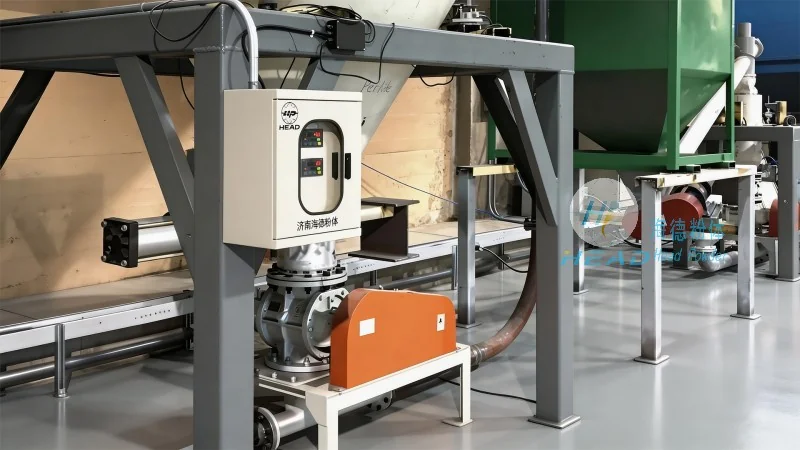
The core of pneumatic conveying systems lies in the use of air as the conveying medium. In the case of magnesium hydroxide material, the equipment operates by creating a flow of air through a pipeline, which then transports the solid particles of magnesium hydroxide. The process typically involves several key components and steps. First, the magnesium hydroxide is fed into a hopper or a loading chamber. From there, it is introduced into the conveying line, often through a feeder or a rotary valve. Simultaneously, a fan or a blower generates the necessary air pressure and flow rate to move the material. The air and material mixture travels through the pipeline, with the air providing the force to carry the particles. At the discharge point, the air is separated from the material, usually through a cyclone separator or a filter, allowing the magnesium hydroxide to be deposited in the target location. The air, now clean, is either recirculated or vented, depending on the system design. This continuous cycle ensures efficient and consistent material transport, minimizing downtime and operational costs.
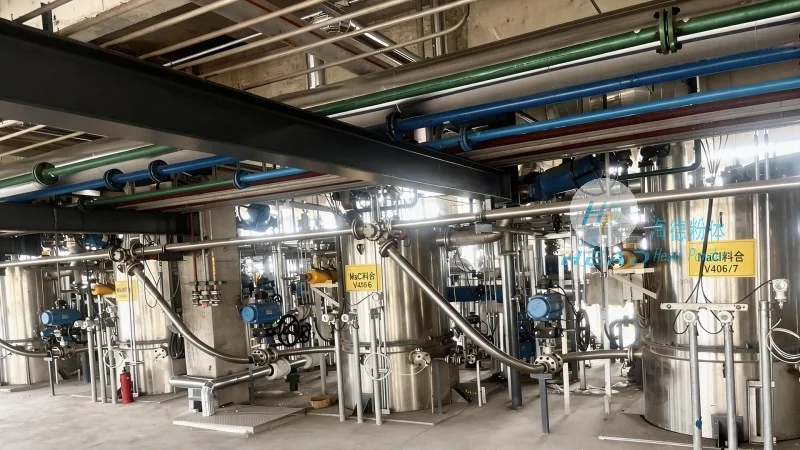
When evaluating pneumatic conveying equipment for magnesium hydroxide, several features stand out as critical for performance and reliability. One of the most significant advantages is its ability to handle fine and dusty materials without the need for additional dust control measures, which is particularly relevant for magnesium hydroxide, known for its fine particle size. The system is designed to maintain a low dust environment, reducing the risk of contamination and ensuring product quality. Another key feature is its flexibility in terms of layout and installation. Pneumatic conveying systems can be configured in various configurations, including horizontal, vertical, or a combination of both, allowing for adaptation to different plant layouts and space constraints. This adaptability makes it suitable for both new installations and retrofitting existing facilities. Additionally, the equipment offers high efficiency in material transport, with minimal loss and low maintenance requirements. The use of air as the conveying medium eliminates the need for mechanical components like belts or buckets, reducing wear and tear and extending the equipment's lifespan. Furthermore, the system is relatively easy to clean and maintain, which is essential for maintaining hygiene standards, especially when handling materials that may be used in pharmaceutical or food-related applications. The design also incorporates safety features, such as pressure relief valves and emergency shut-off mechanisms, to prevent accidents and ensure safe operation. These features collectively contribute to the overall effectiveness and reliability of the pneumatic conveying equipment for magnesium hydroxide.
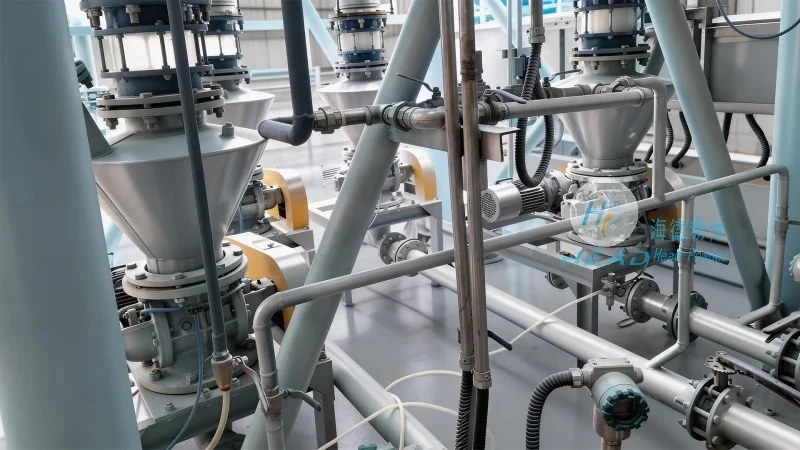
The application of magnesium hydroxide pneumatic conveying equipment spans various industries, including chemical manufacturing, pharmaceuticals, and food processing. In these sectors, the ability to transport magnesium hydroxide efficiently and safely is paramount. The equipment's design ensures that the material is handled gently, preserving its quality and preventing agglomeration or degradation. This is particularly important for magnesium hydroxide, which is often used as a filler or a component in various products. The benefits of using this equipment extend beyond just material transport. It enhances overall production efficiency by reducing the time and labor required for manual handling. The system also contributes to a cleaner and safer working environment by minimizing dust exposure and the need for manual handling of bulk materials. Furthermore, the equipment's adaptability allows for integration into existing production lines, making it a cost-effective solution for upgrading or expanding material handling capabilities. The reliability of the system ensures consistent performance, which is crucial for maintaining production schedules and meeting quality standards. Overall, the magnesium hydroxide pneumatic conveying equipment from Shandong HeadPowder Engineering Co., Ltd. offers a comprehensive solution that addresses the specific needs of industries dealing with this material, providing a reliable and efficient means of material transport.

 Shandong Headpowder Engineering Co., Ltd.
 156-6277-7102(Manager Zhang)
  0531-83386006
  Zhangqiu District, Jinan City, Shandong Province, China
telephone
WeChatconsult
top