With more than 10‑year industry experience, Shandong Headpowder delivers full‑service pneumatic‑conveying systems and blowers, undertaking nationwide turn‑key powder‑handling projects.
For cement manufacturers, efficient and reliable transport of raw materials is crucial to maintaining production efficiency and quality. Pneumatic conveying systems have emerged as a key technology in this field, offering solutions that address the unique challenges of handling bulk materials like cement raw materials. This article explores the different types of pneumatic conveying systems commonly used in cement production and their practical applications, highlighting how these systems contribute to the overall operational success of cement plants.
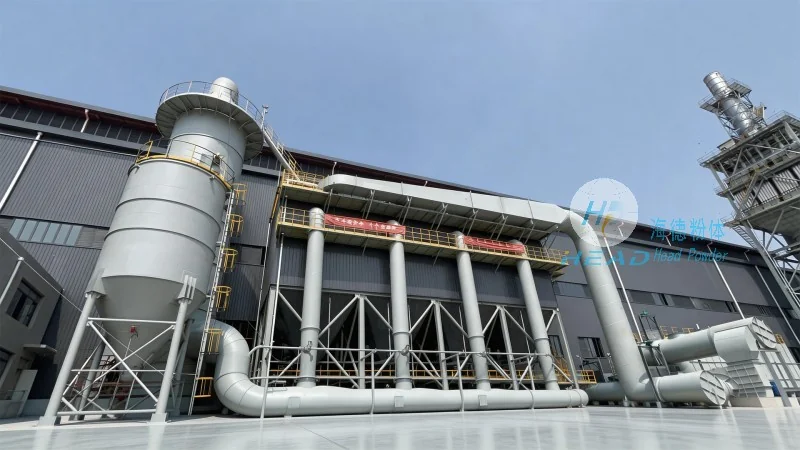
There are several types of pneumatic conveying systems, each designed to suit different operational requirements and material characteristics. The primary categories include pressure, vacuum, and mixed flow systems. Pressure systems use compressed air to push material through a pipeline, while vacuum systems use suction to draw material into the system. Mixed flow systems combine elements of both pressure and vacuum, offering flexibility in material handling. Each type has its advantages and is selected based on factors such as material properties, distance of transport, and plant layout.
Pressure pneumatic conveying systems are widely used in cement raw material transport due to their ability to handle high material loads and long distances. These systems operate by injecting compressed air into a sealed pipeline, which propels the material forward. The system typically includes a hopper, a rotary valve, a conveying line, and a receiver. The rotary valve controls the flow of material into the pipeline, ensuring a consistent feed rate. The conveying line is designed to minimize pressure drop and material degradation, with features like smooth internal surfaces and appropriate pipe diameters. Pressure systems are particularly effective for transporting materials over long distances, such as from raw material storage to the kiln, as they can maintain high material velocity and prevent blockages.
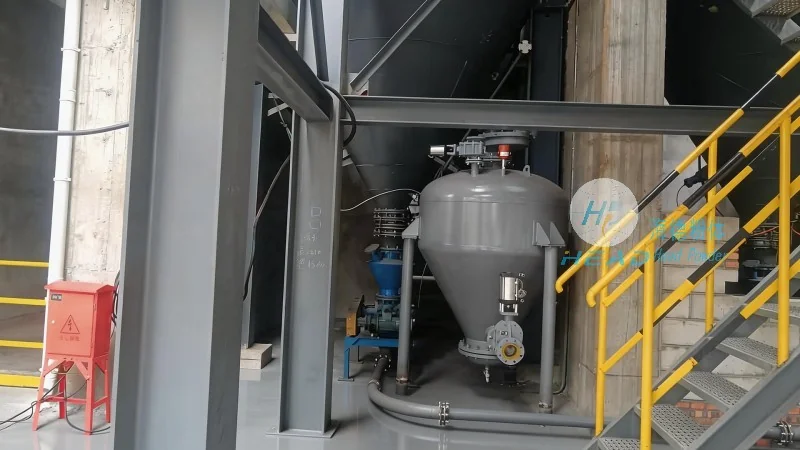
Vacuum pneumatic conveying systems are suitable for shorter distances and when the material needs to be collected from multiple points. These systems use a vacuum pump to create a negative pressure in the pipeline, drawing material into the system. The material is then transported to a central collection point. Vacuum systems are often used for handling fine powders and can be more energy-efficient for shorter transport distances. They are commonly employed in applications where the material is to be collected from various sources, such as from silos or stockpiles, and transported to a processing unit. The system includes a vacuum pump, a filter, and a collection hopper. The filter is essential to remove dust and prevent contamination, ensuring the material remains clean and suitable for cement production.
Mixed flow pneumatic conveying systems offer a combination of pressure and vacuum capabilities, making them versatile for various applications. These systems can operate in both pressure and vacuum modes, allowing for flexibility in material handling. They are particularly useful when the transport distance varies or when the material needs to be transported from multiple sources to a single destination. The system includes a combination of components from both pressure and vacuum systems, such as a rotary valve, a vacuum pump, and a conveying line. Mixed flow systems are often used in complex plant layouts where multiple material sources and destinations are involved. They provide the ability to handle both high and low material loads, making them suitable for a wide range of cement production processes.
Pneumatic conveying systems are widely applied in various stages of cement production, from raw material handling to finished product transport. One of the primary applications is the transport of raw materials from storage silos to the raw mill. This process involves moving limestone, clay, and other raw materials to the grinding equipment, where they are processed into raw meal. Pneumatic conveying systems ensure that these materials are transported efficiently and without contamination, maintaining the quality of the raw meal. Another key application is the transport of raw meal from the raw mill to the cement kiln. This is a critical step as the raw meal needs to be delivered to the kiln at a consistent rate to ensure proper combustion and clinker formation. Pneumatic conveying systems provide the necessary control and reliability for this process, minimizing downtime and ensuring smooth operation.

Implementing pneumatic conveying systems in cement production offers several advantages. Firstly, these systems provide a closed-loop transport process, which helps in maintaining material quality and preventing dust emissions. This is crucial for environmental compliance and ensuring the safety of plant personnel. Secondly, pneumatic conveying systems are highly efficient in terms of energy use, especially when compared to traditional belt conveyors or bucket elevators. The use of compressed air allows for precise control of material flow, reducing energy waste. Thirdly, these systems are flexible and can be easily integrated into existing plant layouts. They can be modified to accommodate changes in production capacity or material types, making them a long-term investment for cement manufacturers. Additionally, pneumatic conveying systems require less maintenance compared to other bulk material handling equipment, as they have fewer moving parts and are less prone to wear and tear.
Shandong HeadPowder Engineering Co., Ltd., a leading provider of bulk material handling solutions, has successfully implemented pneumatic conveying systems in numerous cement plants across China. One notable project involved the installation of a pressure pneumatic conveying system for a large cement manufacturer in Shandong province. The system was designed to transport raw materials from storage silos to the raw mill over a distance of 200 meters. The system included a 6-inch conveying line, a rotary valve with a capacity of 10 tons per hour, and a vacuum receiver. The implementation resulted in a significant improvement in material transport efficiency, with a reduction in downtime and increased production capacity. The system also helped in maintaining the quality of raw materials by preventing contamination and dust exposure. This case study highlights the effectiveness of pneumatic conveying systems in real-world cement production scenarios and demonstrates the expertise of Shandong HeadPowder in providing tailored solutions for their clients.

 Shandong Headpowder Engineering Co., Ltd.
 156-6277-7102(Manager Zhang)
  0531-83386006
  Zhangqiu District, Jinan City, Shandong Province, China
telephone
WeChatconsult
top