Types and Practical Applications of Pneumatic Conveying Systems for Glycine Transport
Release time:2026-09-14 10:46:48
name of the company:Shandong Headpowder Engineering Co., Ltd.
telephone:156-6277-7102
contacts:Manager Zhang
For the efficient and safe transport of amino acids such as glycine, pneumatic conveying systems have emerged as a reliable solution in industrial applications. These systems utilize air or other gases to move bulk materials through pipelines, offering advantages like reduced contamination, improved hygiene, and the ability to handle sensitive materials like glycine without the risk of degradation. This article explores the different types of pneumatic conveying systems commonly used for glycine transport and their practical applications in various industrial settings.
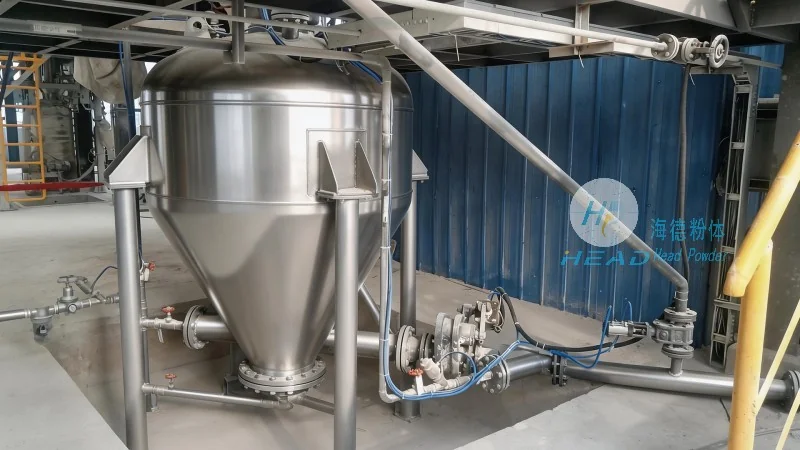
Types of Pneumatic Conveying Systems for Glycine
There are several types of pneumatic conveying systems, each with distinct characteristics suitable for different scenarios in glycine handling. The primary categories include:
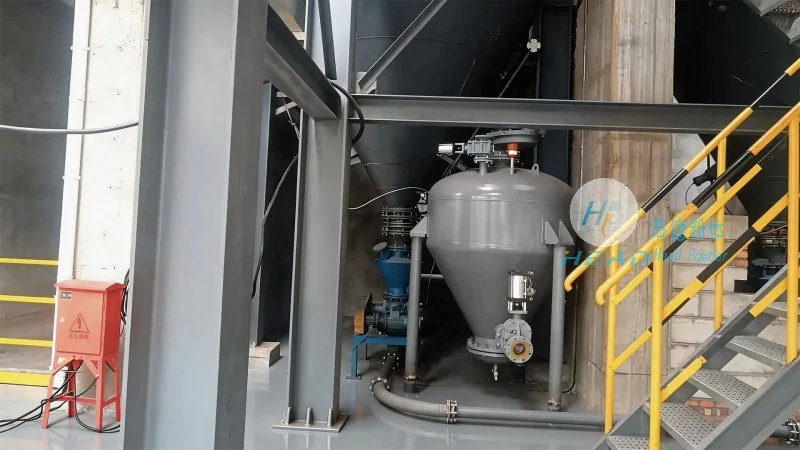
- Positive Pressure Conveying: This system operates by blowing air or gas into the material, pushing it through the pipeline. It is ideal for short to medium distances and is commonly used when the material is relatively dry and free-flowing. Positive pressure systems are effective for transporting glycine in pharmaceutical or food processing industries where product purity is critical.
- Negative Pressure (Vacuum) Conveying: In this system, a vacuum is created at the receiving end to draw the material into the pipeline. It is suitable for longer distances and can handle materials with higher moisture content or those that are more cohesive. Negative pressure systems are often used in applications where the material needs to be collected from multiple points or when the receiving equipment is located at a lower elevation.
- Combined (Bi-Directional) Conveying: This type of system combines both positive and negative pressure capabilities, allowing for bidirectional material flow. It provides flexibility in handling materials that may require transport in both directions, such as in recycling or reprocessing operations. For glycine, this system can be advantageous in facilities where the material is processed and then returned to storage, ensuring efficient use of the conveying infrastructure.
Practical Applications of Pneumatic Conveying Systems in Glycine Handling
The practical application of pneumatic conveying systems for glycine varies based on the specific requirements of the industrial process. Here are some key applications:
- From Production to Storage: After glycine is produced in the manufacturing plant, it is often transported from the production line to storage silos or tanks. Pneumatic conveying systems can efficiently move the material over short distances within the plant, ensuring a continuous supply to storage without the need for manual handling or intermediate storage containers.
- Between Processing Units: In complex production lines, glycine may need to be transferred from one processing unit to another, such as from a crystallization unit to a drying unit. Pneumatic conveying allows for seamless transfer of the material, maintaining the quality and purity of glycine throughout the process. This is particularly important in pharmaceutical and food industries where product consistency is paramount.
- From Storage to Packaging: When glycine is ready for packaging, it needs to be transported from storage silos to the packaging line. Pneumatic conveying systems can handle this transfer efficiently, ensuring that the material is delivered to the packaging equipment in a controlled manner, minimizing dust and spillage. This application is crucial for maintaining the hygiene standards required in food and pharmaceutical packaging.
- Recycling and Reprocessing: In facilities that recycle or reprocess glycine, the material may need to be returned to the production line after processing. Pneumatic conveying systems, especially combined systems, can facilitate this bidirectional flow, ensuring that the material is efficiently recycled and reused, reducing waste and operational costs.
Key Considerations for Selecting a Pneumatic Conveying System for Glycine
When selecting a pneumatic conveying system for glycine transport, several factors need to be considered to ensure optimal performance and efficiency. These include:
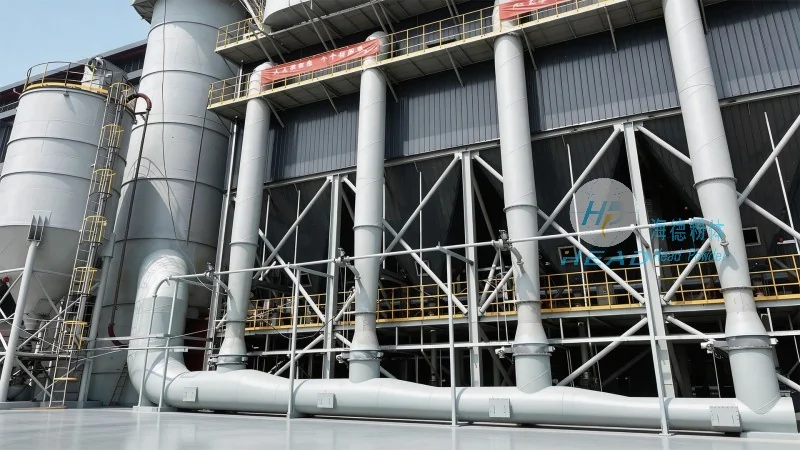
- Material Properties: The physical properties of glycine, such as its particle size, moisture content, and flowability, play a significant role in determining the most suitable conveying system. For example, fine particles may require a system with higher air velocity to prevent clogging, while cohesive materials may need a system with additional agitation or air flow control.
- Distance and Layout: The distance between the source and destination, as well as the layout of the facility, influence the choice of system. Short distances may be suitable for positive pressure systems, while longer distances or complex layouts may require negative pressure or combined systems to ensure efficient material transport.
- Process Requirements: The specific requirements of the production process, such as the need for continuous operation, the volume of material to be transported, and the required flow rate, also impact the system selection. For high-volume production lines, systems with higher capacity and reliability are preferred.
- Hygiene and Contamination Control: In industries like pharmaceuticals and food processing, maintaining hygiene and preventing contamination is critical. Pneumatic conveying systems, especially those designed with stainless steel components and sealed pipelines, are ideal for handling glycine in these industries, ensuring that the material remains pure and free from external contaminants.
Conclusion and Company Overview
Pneumatic conveying systems offer a versatile and efficient solution for the transport of glycine in various industrial applications. By understanding the different types of systems and their practical applications, industries can select the most appropriate solution to meet their specific needs. Shandong HeadPowder Engineering Co., Ltd., a leading provider of engineering solutions, specializes in designing and implementing pneumatic conveying systems tailored to the requirements of glycine handling. With a focus on quality, reliability, and customer satisfaction, the company ensures that its systems deliver optimal performance and contribute to the smooth operation of glycine production and processing facilities.

 Shandong Headpowder Engineering Co., Ltd.
 156-6277-7102(Manager Zhang)
  0531-83386006
  Zhangqiu District, Jinan City, Shandong Province, China