With more than 10‑year industry experience, Shandong Headpowder delivers full‑service pneumatic‑conveying systems and blowers, undertaking nationwide turn‑key powder‑handling projects.
Efficient material handling is a critical factor in the processing and production of rare earth elements, where the choice of conveying system can significantly impact operational efficiency, cost, and safety. Pneumatic conveying systems, which use air to transport powders and bulk materials, offer a versatile solution for handling rare earth materials. Among the various pneumatic conveying technologies, positive pressure and negative pressure systems represent two primary approaches, each with distinct characteristics and applications.
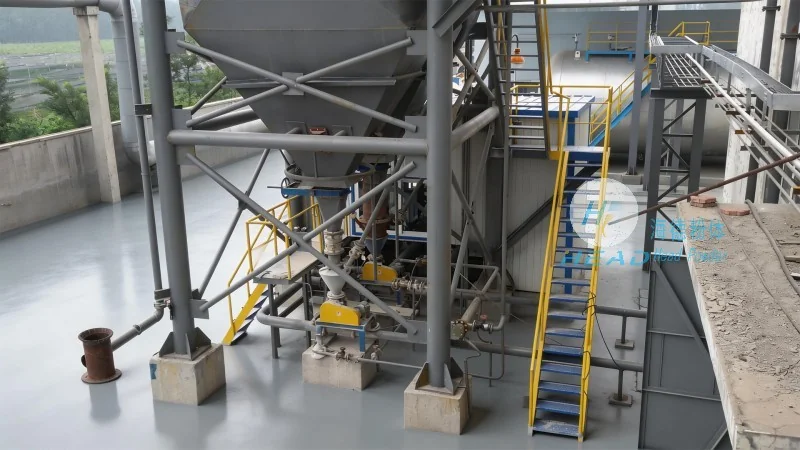
Before delving into the comparison of positive and negative pressure modes, it is essential to understand the fundamental principles of pneumatic conveying. This method involves transporting solid particles through a pipeline using a gas stream, typically air. The system's design, including the type of pressure used, directly influences its performance in terms of material flow rate, system complexity, and energy consumption. For rare earth processing facilities, selecting the right conveying system is crucial to ensure stable operation and minimize downtime.
Positive pressure pneumatic conveying systems operate by blowing air or a gas mixture into the material to be transported. The air is introduced at a higher pressure than the ambient environment, creating a positive pressure within the pipeline. This approach is often preferred for applications requiring high material flow rates and long-distance transport. One of the key advantages of positive pressure systems is their ability to handle a wide range of particle sizes and moisture content, making them suitable for handling raw rare earth ores and concentrates. The system's design typically includes a blower or compressor at the inlet, which provides the necessary pressure to move the material through the pipeline. Additionally, positive pressure systems are generally more robust and less susceptible to blockages compared to negative pressure systems, as the air flow is directed towards the material, reducing the risk of particle accumulation in the pipeline.
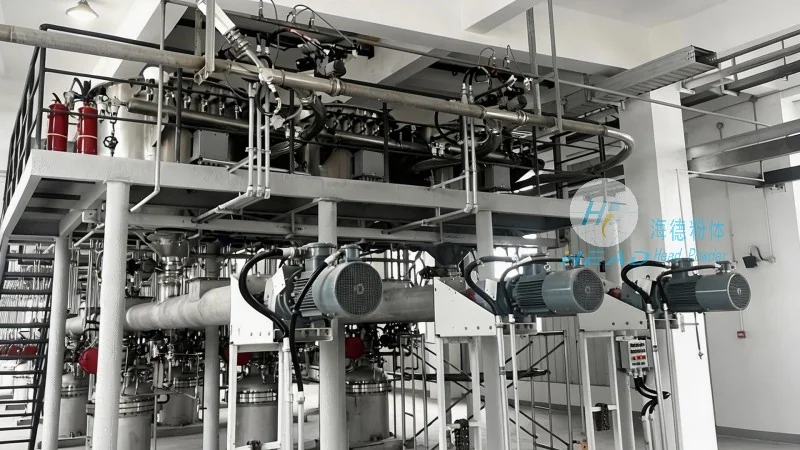
Negative pressure pneumatic conveying systems, on the other hand, operate by creating a vacuum or low pressure within the pipeline, drawing material from the source into the system. The air is extracted from the pipeline, creating a pressure differential that pulls the material along. This mode is commonly used for short-distance transport and applications where the material is to be collected from a hopper or storage bin. Negative pressure systems are particularly effective for handling fine powders and materials that are prone to dust generation, as the vacuum helps to contain particles and prevent dispersion. However, these systems are more susceptible to blockages and require careful maintenance to prevent air leaks, which can reduce efficiency and increase energy consumption. The design of negative pressure systems typically includes a vacuum pump or fan at the outlet, which draws air and material from the pipeline.
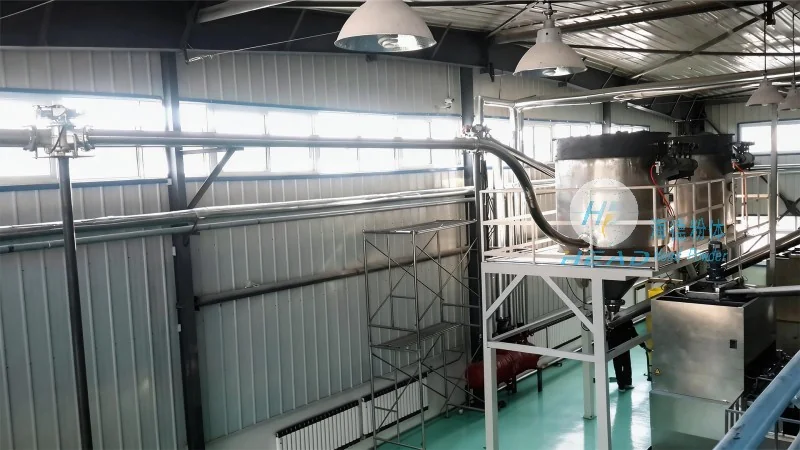
When comparing positive and negative pressure pneumatic conveying systems for rare earth materials, several factors must be considered. The choice between the two modes depends on the specific requirements of the processing plant, including the material characteristics, transport distance, and desired flow rate. Positive pressure systems are generally more suitable for high-volume, long-distance transport of bulk rare earth materials, offering higher efficiency and lower maintenance costs. In contrast, negative pressure systems are better suited for short-distance transport and handling of fine powders, where dust control and material containment are critical. The energy consumption of positive pressure systems is typically higher due to the need to generate and maintain pressure, while negative pressure systems may have lower energy consumption but require more frequent maintenance to prevent blockages and air leaks. Additionally, positive pressure systems are more suitable for handling materials with higher moisture content or larger particle sizes, as the higher pressure helps to break up agglomerates and ensure smooth flow. Negative pressure systems, however, are more effective for handling materials that are prone to dust generation, as the vacuum helps to contain particles and prevent dispersion.
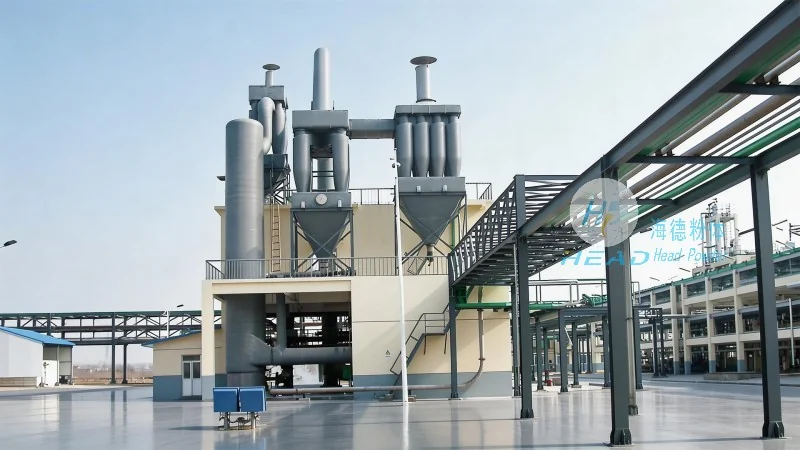
When selecting a pneumatic conveying system for rare earth processing, several factors should be taken into account. The first consideration is the material characteristics, including particle size, moisture content, and dust generation potential. Materials with larger particle sizes and higher moisture content are better suited for positive pressure systems, as the higher pressure helps to break up agglomerates and ensure smooth flow. Conversely, fine powders and materials prone to dust generation are more suitable for negative pressure systems, as the vacuum helps to contain particles and prevent dispersion. The second consideration is the transport distance and required flow rate. Positive pressure systems are ideal for long-distance transport and high flow rates, while negative pressure systems are better for short-distance transport and lower flow rates. The third consideration is the system's complexity and maintenance requirements. Positive pressure systems are generally more robust and less susceptible to blockages, requiring less frequent maintenance. Negative pressure systems, however, require more careful maintenance to prevent blockages and air leaks. The fourth consideration is the energy consumption and cost. Positive pressure systems typically have higher energy consumption due to the need to generate and maintain pressure, while negative pressure systems may have lower energy consumption but require more frequent maintenance. Finally, the system's compatibility with existing infrastructure and the processing plant's layout should be considered. Positive pressure systems are more compatible with existing infrastructure, as they can be integrated with existing blower or compressor systems. Negative pressure systems, however, may require additional equipment, such as vacuum pumps or fans, which can increase the system's complexity and cost.
Ultimately, the choice between positive and negative pressure pneumatic conveying systems for rare earth materials depends on the specific requirements of the processing plant. Positive pressure systems are generally more suitable for high-volume, long-distance transport of bulk rare earth materials, offering higher efficiency and lower maintenance costs. Negative pressure systems are better suited for short-distance transport and handling of fine powders, where dust control and material containment are critical. When selecting a system, it is essential to consider the material characteristics, transport distance, required flow rate, system complexity, and energy consumption. By carefully evaluating these factors, processing facilities can select the most appropriate pneumatic conveying system to ensure efficient and safe handling of rare earth materials. The right choice can significantly improve operational efficiency, reduce costs, and enhance the overall performance of the processing plant.

 Shandong Headpowder Engineering Co., Ltd.
 156-6277-7102(Manager Zhang)
  0531-83386006
  Zhangqiu District, Jinan City, Shandong Province, China
telephone
WeChatconsult
top