With more than 10‑year industry experience, Shandong Headpowder delivers full‑service pneumatic‑conveying systems and blowers, undertaking nationwide turn‑key powder‑handling projects.
In the modern cereal processing industry, efficient material handling is crucial for maintaining product quality and operational efficiency. Pneumatic conveying systems have emerged as a key technology for transporting bulk materials like cereals, grains, and related products. Among the various designs available, positive pressure and negative pressure (or vacuum) conveying modes are the two primary approaches. Understanding the technical differences, advantages, and limitations of each is essential for selecting the most suitable system for specific applications. This article provides a technical analysis of these two modes, focusing on their application in cereal processing, with insights from Shandong HeadPowder Engineering Co., Ltd., a leading provider in the field.
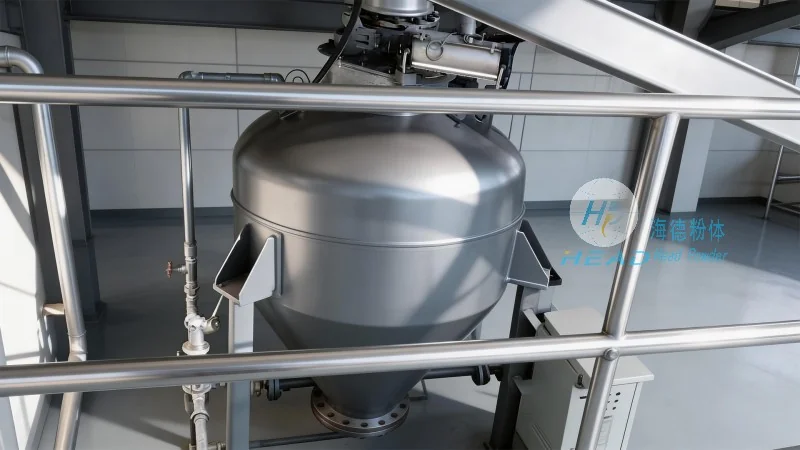
Positive pressure conveying systems operate by blowing air or a carrier gas into the conveying line, creating a pressure higher than the ambient atmosphere. This method is widely used in cereal processing due to several advantages. First, it offers high conveying capacity and can handle a wide range of particle sizes and densities. The pressurized air ensures consistent flow and prevents material degradation, which is critical for delicate products like cereals. Additionally, positive pressure systems are generally more robust and easier to maintain, as they do not require complex vacuum pumps or extensive sealing mechanisms. The design typically involves a blower at the inlet, a hopper for material loading, and a discharge point where the material is released under pressure. The air flow is continuous, providing a stable and reliable transport of bulk materials. However, one of the main drawbacks is the higher energy consumption compared to negative pressure systems, as more power is needed to generate the required pressure. Furthermore, the system may require additional filtration to manage dust and prevent contamination, which adds to operational costs.
Negative pressure conveying, also known as vacuum conveying, works by creating a vacuum in the conveying line, drawing material from the source into the system. This mode is particularly suitable for applications where the material needs to be transported from a lower elevation or where the source is located in a confined space. The vacuum system uses a vacuum pump to create the pressure differential, pulling the material through the pipeline. One of the key advantages of negative pressure conveying is its lower energy consumption, as it primarily relies on the vacuum pump rather than a high-pressure blower. This makes it more energy-efficient, especially for long-distance or high-rise applications. The system is also more flexible in terms of layout, as it can accommodate vertical and horizontal transport with ease. However, negative pressure systems have limitations in terms of conveying capacity and material handling. They are generally less effective for handling large quantities of coarse or abrasive materials, as the vacuum may not be sufficient to maintain consistent flow. Additionally, the system is more susceptible to clogging and blockages, which can lead to operational disruptions. Proper maintenance and regular cleaning are essential to ensure smooth operation. The design typically includes a vacuum pump, a hopper or feeder, and a discharge valve, with the entire system operating under reduced pressure.
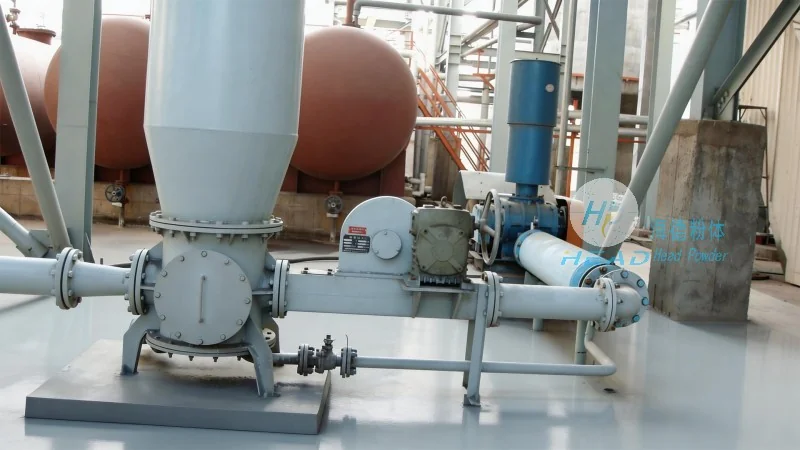
When comparing positive and negative pressure conveying modes for cereal processing, several factors must be considered. The choice between the two depends on the specific requirements of the application, including material characteristics, conveying distance, elevation changes, and energy efficiency goals. Positive pressure systems excel in high-capacity, high-pressure applications where the material needs to be transported over long distances or at high speeds. They are ideal for processing large volumes of cereals, such as in large-scale production facilities. On the other hand, negative pressure systems are better suited for applications requiring lower energy consumption, shorter conveying distances, or where the material is to be transported from a lower level to a higher one. They are commonly used in smaller processing plants or for handling more delicate products that require gentle transport. In terms of material handling, positive pressure systems are more versatile and can handle a wider range of particle sizes and densities, including coarse or abrasive materials. Negative pressure systems, while effective for fine powders, may struggle with larger or denser particles. Another critical factor is the impact on product quality. Positive pressure systems, with their pressurized air, can help maintain product integrity by preventing oxidation or moisture absorption, which is vital for maintaining the freshness and nutritional value of cereals. Negative pressure systems, however, may introduce more air into the system, potentially affecting the moisture content and quality of the product. From an operational perspective, positive pressure systems are generally easier to maintain and repair, as they have fewer moving parts and simpler components. Negative pressure systems, with their vacuum pumps and complex piping, may require more specialized maintenance and expertise.
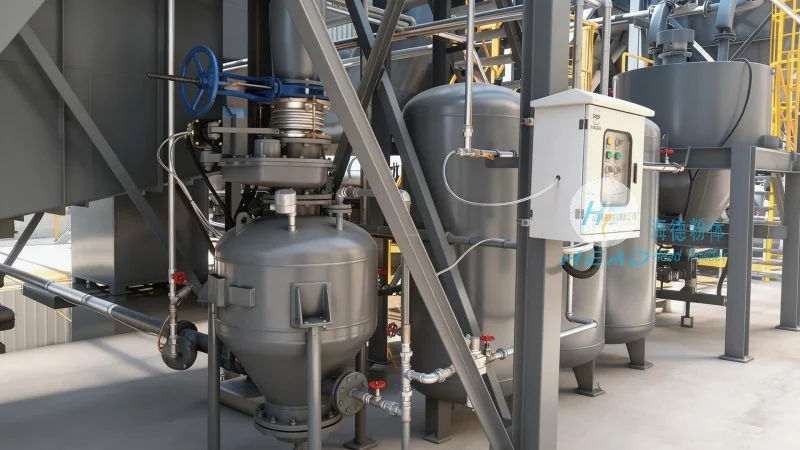
Shandong HeadPowder Engineering Co., Ltd., a renowned manufacturer of pneumatic conveying systems, has extensive experience in designing and implementing both positive and negative pressure solutions for cereal processing. The company specializes in customizing systems to meet the unique needs of each client, ensuring optimal performance and efficiency. For instance, a client required a high-capacity positive pressure system to transport large volumes of wheat and corn from a silo to a processing plant over a distance of 200 meters. HeadPowder engineered a system with a high-pressure blower and a robust pipeline network, achieving a consistent flow rate of 10 tons per hour while maintaining product quality. The system was equipped with advanced filtration and cleaning mechanisms to prevent dust accumulation and ensure compliance with food safety standards. Another project involved a negative pressure system for a small-scale cereal processing facility, where the material needed to be transported from a lower hopper to an upper processing unit. The HeadPowder team designed a vacuum conveying system with a compact vacuum pump and a flexible pipeline layout, successfully reducing energy consumption by 30% compared to traditional methods. The system was tailored to handle fine cereal powders, ensuring minimal clogging and efficient operation. These case studies highlight the versatility and effectiveness of HeadPowder's pneumatic conveying solutions, demonstrating their ability to address diverse challenges in cereal processing.
Choosing between positive and negative pressure conveying modes for cereal processing requires a careful evaluation of the specific application requirements. Positive pressure systems offer high capacity, robustness, and flexibility, making them suitable for large-scale operations. Negative pressure systems, on the other hand, provide energy efficiency and are ideal for shorter or vertical transport needs. The decision should also consider factors such as material characteristics, conveying distance, energy costs, and product quality requirements. By understanding the technical aspects and advantages of each mode, processors can select the most appropriate system to enhance operational efficiency and maintain product integrity. Shandong HeadPowder Engineering Co., Ltd. continues to lead in the development of advanced pneumatic conveying technologies, providing customized solutions that meet the evolving needs of the cereal processing industry. Their expertise in both positive and negative pressure systems ensures that clients receive the best possible solution for their specific applications, contributing to improved productivity and quality in cereal processing operations.

 Shandong Headpowder Engineering Co., Ltd.
 156-6277-7102(Manager Zhang)
  0531-83386006
  Zhangqiu District, Jinan City, Shandong Province, China
telephone
WeChatconsult
top