With more than 10‑year industry experience, Shandong Headpowder delivers full‑service pneumatic‑conveying systems and blowers, undertaking nationwide turn‑key powder‑handling projects.
Garbage pneumatic conveying systems represent a critical component in modern waste management infrastructure, offering efficient and reliable methods for transporting solid waste over varying distances. The design of such systems requires a comprehensive understanding of material properties, operational requirements, and environmental considerations to ensure optimal performance and sustainability. This article provides an overview of the key aspects involved in designing effective garbage pneumatic conveying systems, with a focus on the expertise and solutions offered by Shandong HeadPowder Engineering Co., Ltd., a leading provider in the field.
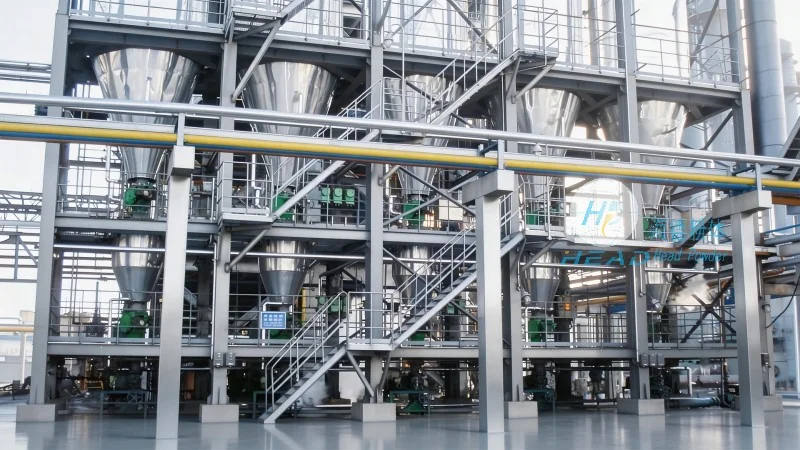
HeadPowder, the abbreviated name for Shandong HeadPowder Engineering Co., Ltd., is a professional engineering firm dedicated to the design, manufacturing, and implementation of advanced material handling solutions. With a strong presence in China, particularly in Shandong province, the company has established itself as a trusted partner for clients seeking innovative and efficient waste management technologies. HeadPowder's commitment to quality, customer satisfaction, and technological advancement has positioned it as a key player in the industry, delivering tailored solutions that meet the specific needs of municipal and industrial waste management operations.
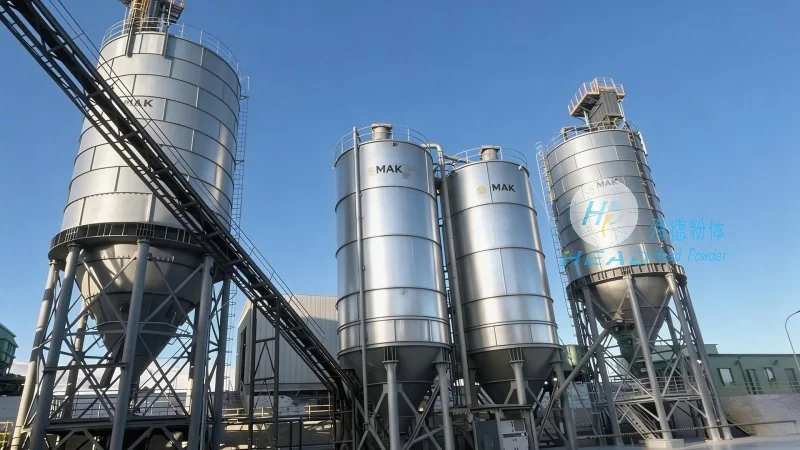
The successful design of a garbage pneumatic conveying system hinges on several critical factors. First, the characteristics of the waste material, including its density, moisture content, and particle size distribution, must be carefully analyzed. This information is crucial for selecting the appropriate type of conveying system—such as positive pressure, negative pressure, or a combination of both—and determining the necessary air velocity and pressure levels. Additionally, the distance and elevation changes between the source and destination points of the waste flow are essential parameters that influence the system's layout and equipment selection. For instance, longer conveying distances may require booster units or larger diameter pipelines to maintain adequate air flow and prevent material deposition. The system's design also needs to account for environmental regulations, ensuring that emissions and noise levels are minimized while maintaining operational efficiency.
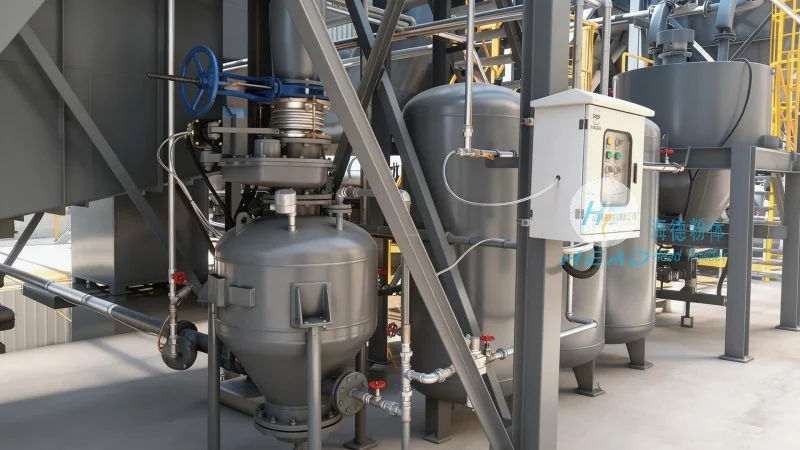
A garbage pneumatic conveying system typically consists of several interconnected components, each playing a vital role in the overall operation. The primary components include the hopper or feeding unit, which collects and prepares the waste for transport; the conveying pipeline, which carries the material using air pressure; the air supply system, which generates and regulates the airflow; and the collection or discharge unit, which receives the waste at the end of the pipeline. The hopper is designed to handle the waste material and feed it into the pipeline at a controlled rate, preventing blockages and ensuring consistent flow. The conveying pipeline is usually made of durable materials, such as stainless steel or plastic, to withstand the abrasive nature of waste and resist corrosion. The air supply system may include a blower or fan, which provides the necessary pressure and volume of air to move the material through the pipeline. Booster units may be incorporated to increase the air pressure at intervals, especially for longer conveying distances. The collection unit is equipped with a filter or separator to remove dust and particles from the air before it is released into the environment, ensuring compliance with environmental standards.
Compared to traditional waste handling methods, such as truck-based transport or gravity-fed systems, garbage pneumatic conveying offers several significant advantages. One of the most notable benefits is the ability to transport waste over long distances with minimal labor and operational costs. The system can handle large volumes of waste efficiently, reducing the number of collection trips required and minimizing the environmental impact associated with vehicle emissions. Additionally, pneumatic conveying systems are highly flexible, allowing for easy integration with existing waste management infrastructure and adaptation to changing operational needs. The enclosed nature of the system also helps to contain odors and prevent the spread of pests, improving the overall working environment for waste management personnel. Furthermore, the system's design can be optimized for energy efficiency, with modern blowers and air compressors providing reliable performance while reducing energy consumption. These advantages make pneumatic conveying an attractive solution for municipalities and industrial facilities seeking to enhance their waste management capabilities.
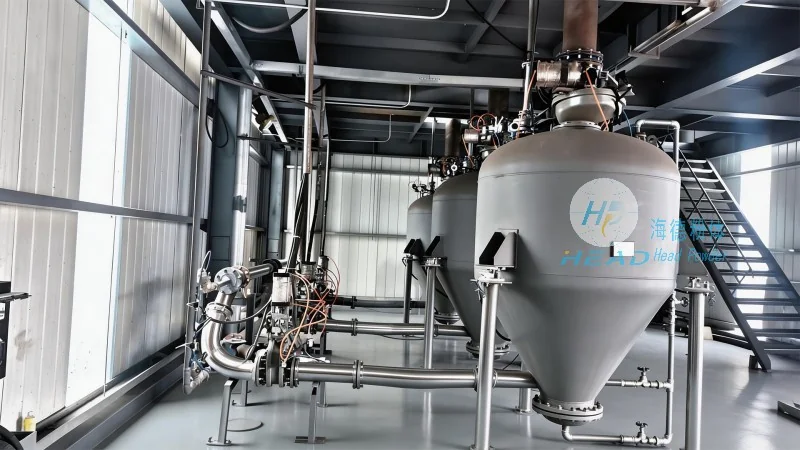
Shandong HeadPowder Engineering Co., Ltd. specializes in providing customized garbage pneumatic conveying solutions tailored to the unique requirements of each client. The company's engineering team works closely with clients to assess their specific waste handling challenges and develop a comprehensive system design that maximizes efficiency and cost-effectiveness. HeadPowder offers a range of services, including site surveys, material analysis, system design, equipment manufacturing, and installation and commissioning. The company's expertise in material handling technology allows it to integrate pneumatic conveying systems with other waste management processes, such as sorting, compaction, or recycling, creating a seamless and integrated waste management solution. By leveraging advanced design software and simulation tools, HeadPowder ensures that each system is optimized for performance, reliability, and longevity. The company's commitment to quality control and adherence to industry standards guarantees that the delivered systems meet the highest operational and safety requirements.

 Shandong Headpowder Engineering Co., Ltd.
 156-6277-7102(Manager Zhang)
  0531-83386006
  Zhangqiu District, Jinan City, Shandong Province, China
telephone
WeChatconsult
top