With more than 10‑year industry experience, Shandong Headpowder delivers full‑service pneumatic‑conveying systems and blowers, undertaking nationwide turn‑key powder‑handling projects.
Hydrogen chloride (HCl) is a highly corrosive and hazardous chemical gas widely used in various industrial processes, such as chemical synthesis, pharmaceutical production, and metal processing. The safe and efficient transportation of HCl gas is crucial for industrial operations to ensure process reliability and personnel safety. This article introduces the working principle and key features of the hydrogen chloride material handling system equipment, providing a comprehensive overview for industrial users.
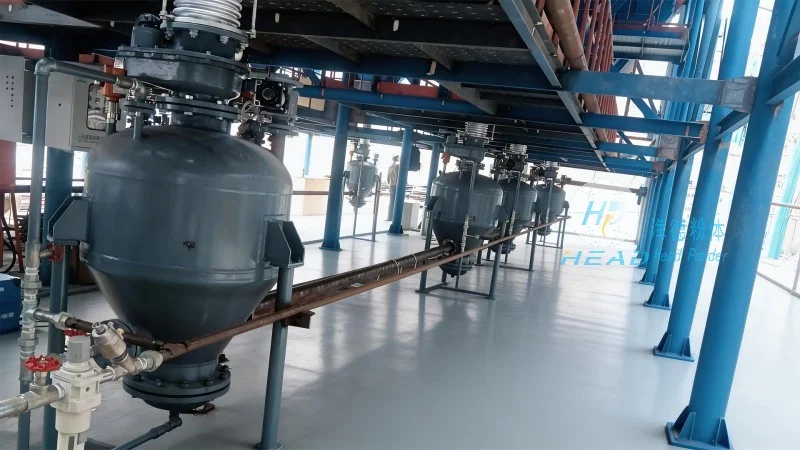
The hydrogen chloride material handling system is a specialized equipment setup designed to handle, transport, and store hydrogen chloride gas. It typically consists of several core components, including gas generators, pressure regulators, flow control valves, and safe handling vessels. These components work in tandem to ensure the gas is delivered to the processing units with precise control over pressure, flow rate, and temperature. The system is engineered to meet stringent safety standards, as HCl is a toxic and corrosive substance that requires robust containment and monitoring mechanisms.
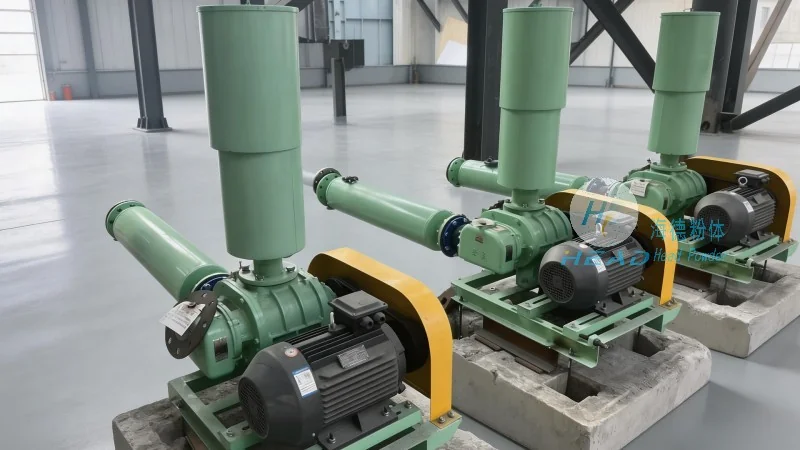
The working principle of the hydrogen chloride material handling system equipment revolves around the controlled generation and delivery of HCl gas. The process begins with the generation of HCl gas from raw materials, often through the reaction of hydrochloric acid with a suitable oxidizing agent or by direct synthesis. The generated gas is then passed through a series of purification and conditioning units to remove impurities and adjust the gas quality to meet process requirements. Next, the gas is pressurized using a compressor or pressure booster system, and its flow is regulated using flow control valves and pressure regulators. The system employs advanced sensors and monitoring devices to continuously track parameters like pressure, temperature, and gas concentration, ensuring that any deviations from safe operating conditions are immediately detected and addressed. The final step involves the delivery of the conditioned HCl gas to the target industrial equipment, such as reactors or processing units, through a network of pipelines and valves. This entire process is automated and monitored to maintain consistent performance and safety.
The hydrogen chloride material handling system equipment is characterized by several critical features that enhance its functionality, safety, and reliability. Firstly, it incorporates robust corrosion-resistant materials, such as stainless steel and specialized alloys, to withstand the highly corrosive nature of HCl gas. This ensures the longevity and durability of the equipment, reducing maintenance needs and operational downtime. Secondly, the system features advanced safety mechanisms, including pressure relief valves, emergency shut-off valves, and gas detection sensors. These components are designed to prevent over-pressurization, leaks, and exposure to hazardous concentrations, thereby minimizing the risk of accidents and ensuring compliance with industrial safety regulations. Thirdly, the equipment is equipped with precise flow and pressure control systems, allowing for accurate delivery of HCl gas to the processing units. This precision is essential for maintaining consistent product quality and optimizing the efficiency of industrial processes. Additionally, the system includes monitoring and control interfaces, such as digital displays and remote control panels, enabling operators to track real-time parameters and adjust settings as needed. These features collectively contribute to the overall effectiveness and safety of the hydrogen chloride material handling system.
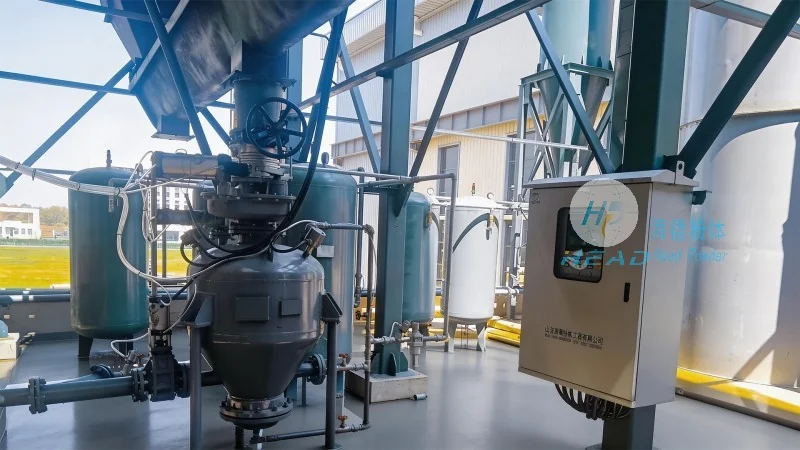
Shandong HeadPowder Engineering Co., Ltd., commonly known as HeadPowder, is a leading manufacturer and supplier of specialized industrial equipment, including hydrogen chloride material handling systems. With a strong commitment to quality and safety, HeadPowder has established itself as a trusted partner in the chemical and industrial sectors. The company's headquarters is located in Shandong, China, where it operates a state-of-the-art manufacturing facility equipped with advanced technology and skilled personnel. HeadPowder specializes in designing and producing customized solutions tailored to the specific needs of its clients, ensuring that each system meets the unique requirements of the industrial process. The company adheres to international standards and best practices in equipment manufacturing, providing reliable and efficient solutions for the safe handling of hazardous chemicals like hydrogen chloride. Through continuous innovation and customer-focused service, HeadPowder aims to enhance industrial safety and operational efficiency for its clients worldwide.

 Shandong Headpowder Engineering Co., Ltd.
 156-6277-7102(Manager Zhang)
  0531-83386006
  Zhangqiu District, Jinan City, Shandong Province, China
telephone
WeChatconsult
top