With more than 10‑year industry experience, Shandong Headpowder delivers full‑service pneumatic‑conveying systems and blowers, undertaking nationwide turn‑key powder‑handling projects.
When it comes to the efficient handling and transportation of sodium hydroxide, specialized conveying systems play a crucial role in industrial processes. This article provides an in-depth look at the working principles and key features of sodium hydroxide material conveying lines, highlighting how they contribute to operational efficiency and safety in chemical manufacturing environments. The expertise of companies like Shandong HeadPowder Engineering Co., Ltd. (headpowder) is instrumental in designing and implementing such systems, ensuring that they meet the stringent requirements of modern industrial applications.
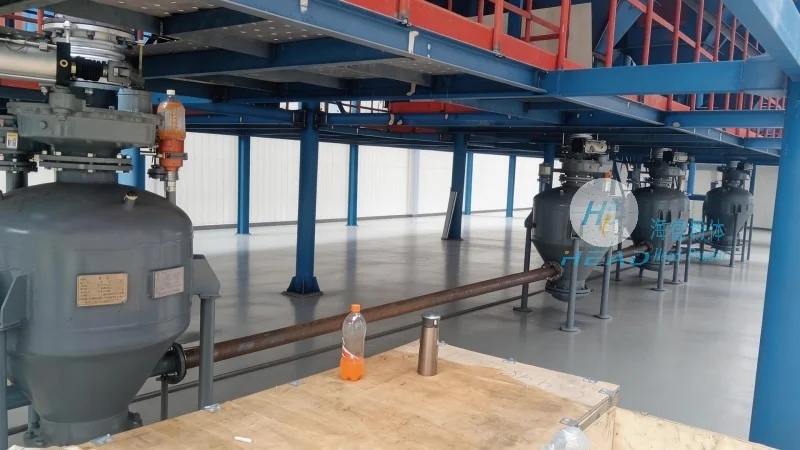
Sodium hydroxide, commonly known as caustic soda, is a highly reactive and corrosive chemical widely used in various industries such as pulp and paper, chemical manufacturing, and water treatment. The material conveying lines designed for sodium hydroxide must be robust, reliable, and capable of withstanding the chemical's aggressive properties while ensuring safe and efficient transport. These systems are engineered to handle the unique challenges posed by sodium hydroxide, including its high alkalinity, corrosive nature, and potential for exothermic reactions during handling. The systems are typically tailored to the specific needs of each industrial operation, providing a customized solution that enhances productivity and safety.
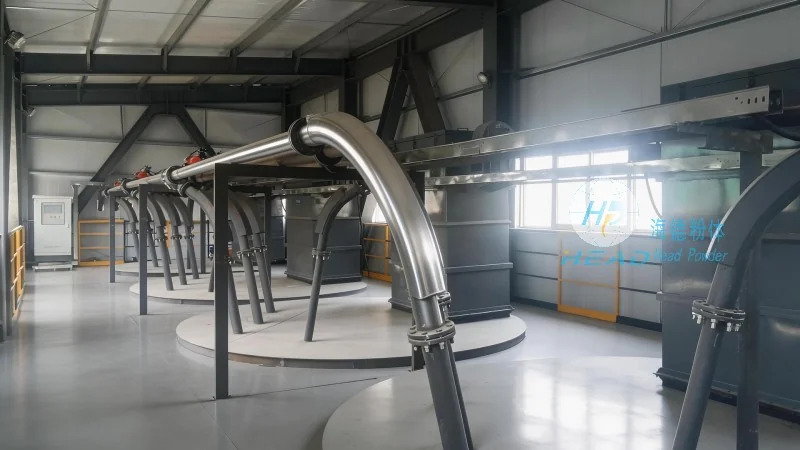
The core working principle of sodium hydroxide material conveying lines revolves around the use of specialized equipment that can safely transport the material from storage to processing units. The typical components of such a system include storage tanks, pumps, conveyors, and control systems, all designed to work in harmony to ensure seamless material flow. The process begins with the storage of sodium hydroxide in appropriate containers, often made of corrosion-resistant materials like stainless steel or lined with protective coatings to prevent degradation. From the storage tanks, the material is then pumped to the conveying line using high-pressure pumps that are specifically designed to handle caustic solutions. The pumps are equipped with seals and materials that resist chemical attack, ensuring long-term reliability. Once the material is pumped, it moves through the conveying line, which may include pipelines, screw conveyors, or pneumatic systems, depending on the specific application and scale of the operation. The conveying line is designed to maintain the material's temperature and pressure within safe operating parameters, preventing any potential hazards such as leaks or over-pressurization. Control systems are integrated into the setup to monitor flow rates, pressure levels, and temperature, allowing for real-time adjustments and ensuring optimal performance. The entire process is automated to minimize human intervention, reducing the risk of accidents and improving overall efficiency. The design of these systems adheres to industry standards and regulations, ensuring compliance and safety in all operational aspects.
Several key features distinguish high-quality sodium hydroxide material conveying lines, making them essential for industrial applications. One of the most critical features is the use of corrosion-resistant materials throughout the system. Components such as tanks, pipes, and pumps are constructed from materials like 316 stainless steel, Hastelloy, or lined with polyethylene or rubber to withstand the corrosive effects of sodium hydroxide. This not only extends the lifespan of the equipment but also ensures the safety of the operators by preventing leaks or spills. Another important feature is the integration of advanced control systems that provide real-time monitoring and automation. These systems allow for precise control over flow rates, pressure, and temperature, ensuring that the material is transported under optimal conditions. The conveying lines are also designed with safety features such as pressure relief valves, emergency shut-off valves, and leak detection systems to mitigate risks and comply with industry regulations. Additionally, the systems are engineered for easy maintenance and cleaning, with components that can be easily accessed and serviced. This reduces downtime and maintenance costs, making the operation more cost-effective. The use of sealed and hermetic systems is another key feature, preventing the release of harmful fumes or dust into the environment. This is particularly important in environments where air quality and worker safety are paramount. Finally, the systems are designed to be scalable, allowing them to be adapted to different production volumes and operational requirements. This flexibility makes them suitable for a wide range of applications, from small-scale manufacturing to large industrial plants.
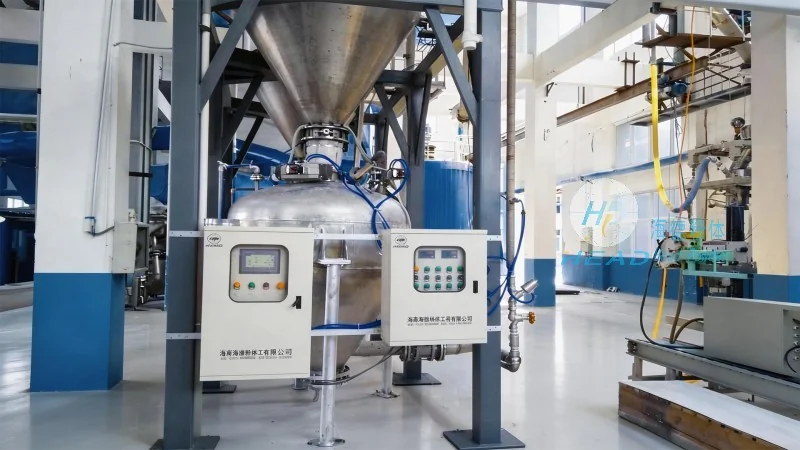
Sodium hydroxide material conveying lines are widely used in various industrial applications due to their efficiency and reliability. In the pulp and paper industry, these systems are used to transport caustic soda from storage to the pulping and bleaching processes. The high alkalinity of sodium hydroxide is essential for breaking down wood fibers and removing impurities, making the conveying system a critical component of the production line. In chemical manufacturing, sodium hydroxide is used in the production of various chemicals such as sodium carbonate, sodium chlorate, and other derivatives. The conveying lines ensure that the material is delivered to reactors and processing units in a controlled manner, maintaining the quality and consistency of the final products. In water treatment, sodium hydroxide is used for pH adjustment and the removal of impurities from water. The conveying systems help in delivering the chemical to the treatment plants efficiently, ensuring that the water treatment process is effective and reliable. The benefits of using these conveying lines include improved operational efficiency, reduced downtime, lower maintenance costs, and enhanced safety. By ensuring that the material is transported safely and efficiently, these systems contribute to the overall productivity and profitability of the industrial operations. Additionally, the use of advanced materials and control systems reduces the risk of accidents and environmental hazards, making the process more sustainable and compliant with regulations. The expertise of companies like Shandong HeadPowder Engineering Co., Ltd. (headpowder) in designing and implementing these systems ensures that clients receive tailored solutions that meet their specific needs and industry standards.

 Shandong Headpowder Engineering Co., Ltd.
 156-6277-7102(Manager Zhang)
  0531-83386006
  Zhangqiu District, Jinan City, Shandong Province, China
telephone
WeChatconsult
top